
Amphibian
Rhacophorus annamensis
Rhacophorus annamensisAlso known as Annam Flying Frog, Annam Tree Frog, Annamite Flying Frog
Annam flying frogs dwell high in the canopy of the Annamite Range, descending toward clear mountain streams during the monsoon breeding season. Females produce spongy foam nests securely attached to foliage overhanging running water, ensuring newly hatched tadpoles wash straight into the pools below. Their camouflage varies widely across individuals, spanning misty gray, olive, rich terracotta, and vibrant yellow to blend against lichen-draped bark.
ArborealNocturnalAmphibian
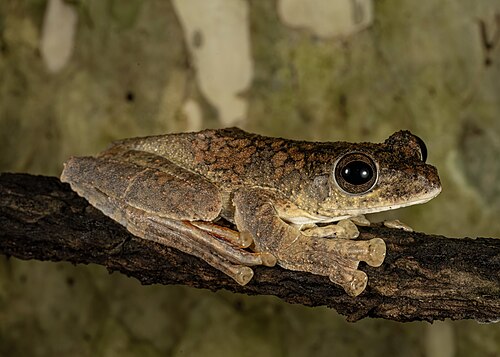
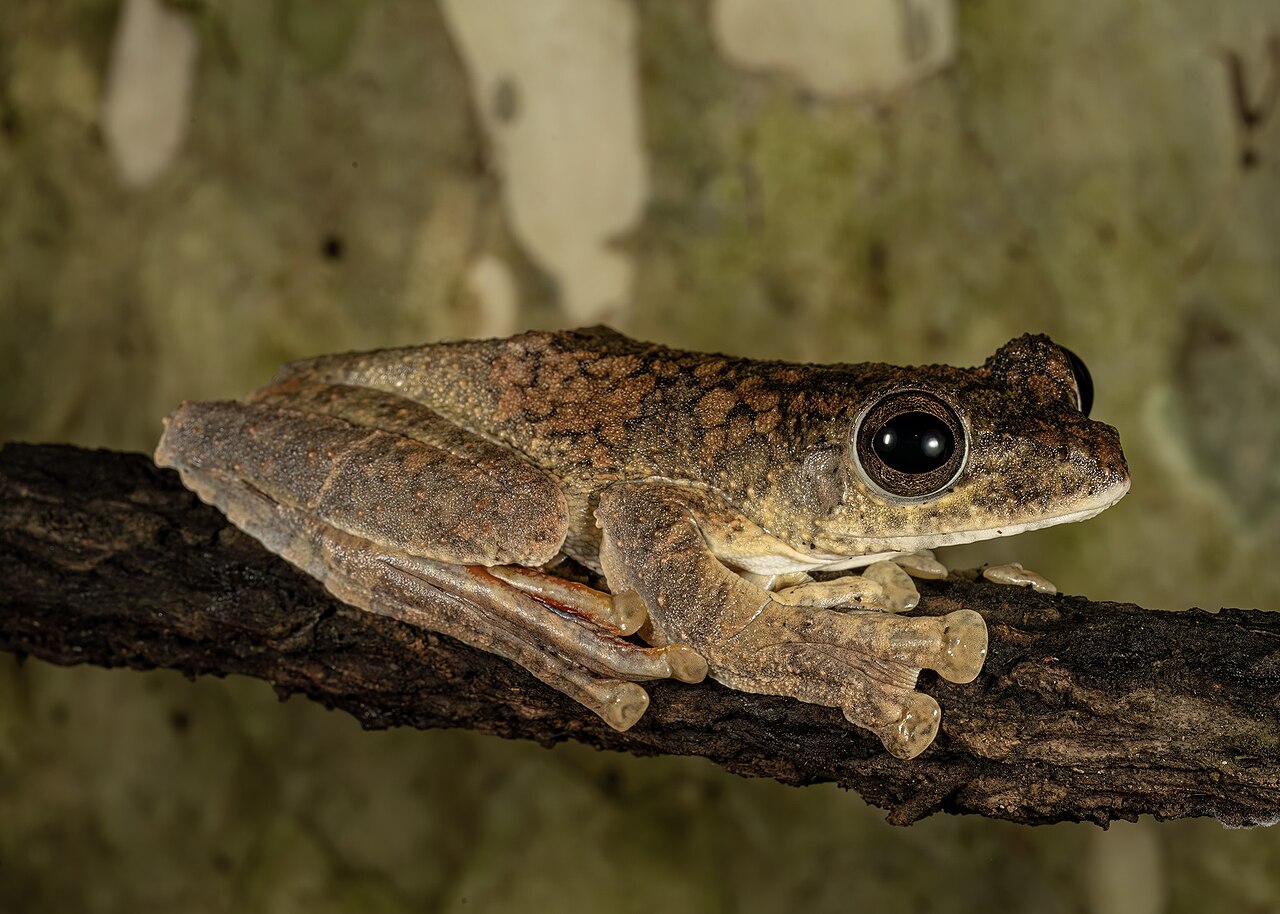
—observations
—countries
—peak records
Least ConcernConservation statusIUCN Red List categoriesLCNTVUENCREWEXLeast ConcernRed List categories, explained →
Diet & preyMoths, Beetles, Crickets
Predators
- Arboreal snakes
- Forest owls
- Civets
ThreatsDeforestation, agricultural expansion, and stream siltation
HabitatsSubtropical and tropical moist lowland and montane evergreen forests near rocky streams
Life span5–8 years
Classification
- FamilyRhacophoridae
- SpeciesRhacophorus annamensis
Range data is not available yet.
Interaction riskLow
- Low
- Moderate
- High
- Very high
- Why interaction risk is low
- Harmless to humans; safe to observe from a respectful distance.
Responsible observation
- Night Spotting: Scan vegetation suspended over torrential forest streams with a red-filtered headlamp after rain.
- Do Not Handle: Amphibian skin absorbs repellent, sunscreen, and oils that can cause physiological distress.
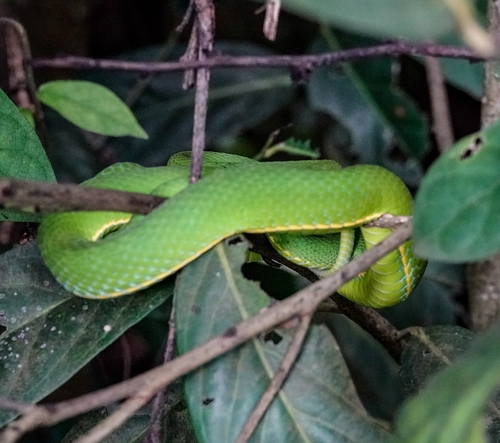
Predator (c) Sevin Dee, some rights reserved (CC BY) · cc-by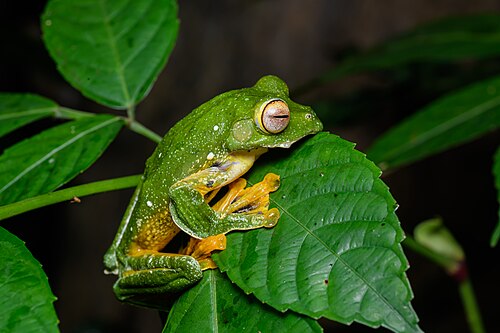
Close Relative Rushenb / CC BY-SA 4.0 · cc-by-sa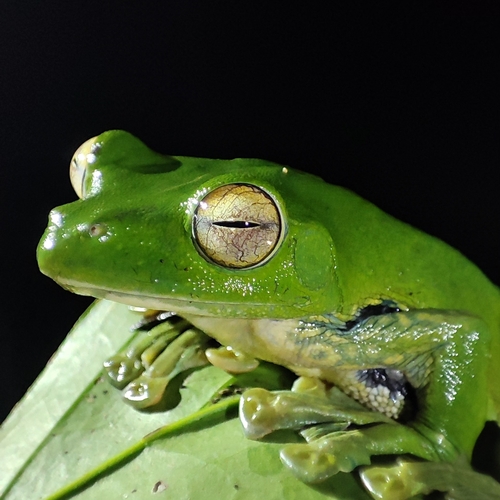
Close Relative (c) Chris Oldnall, some rights reserved (CC BY-SA) · cc-by-sa
Help improve the field guideSomething wrong?
Checking your Fauna account…Report a name, category, or profile issue for review.