
Amphibian · GBIF taxon 5217160
European Toad
Bufo bufoAlso known as Common Toad
European Toads are sturdy, warty amphibians with copper-colored eyes and prominent glands behind the head. They walk more often than they hop and spend much of the day hidden in cool ground cover.
toadnocturnalwoodland
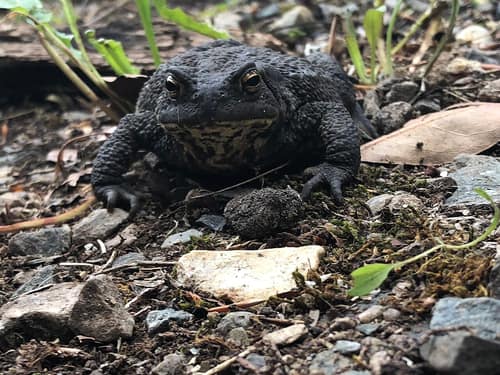
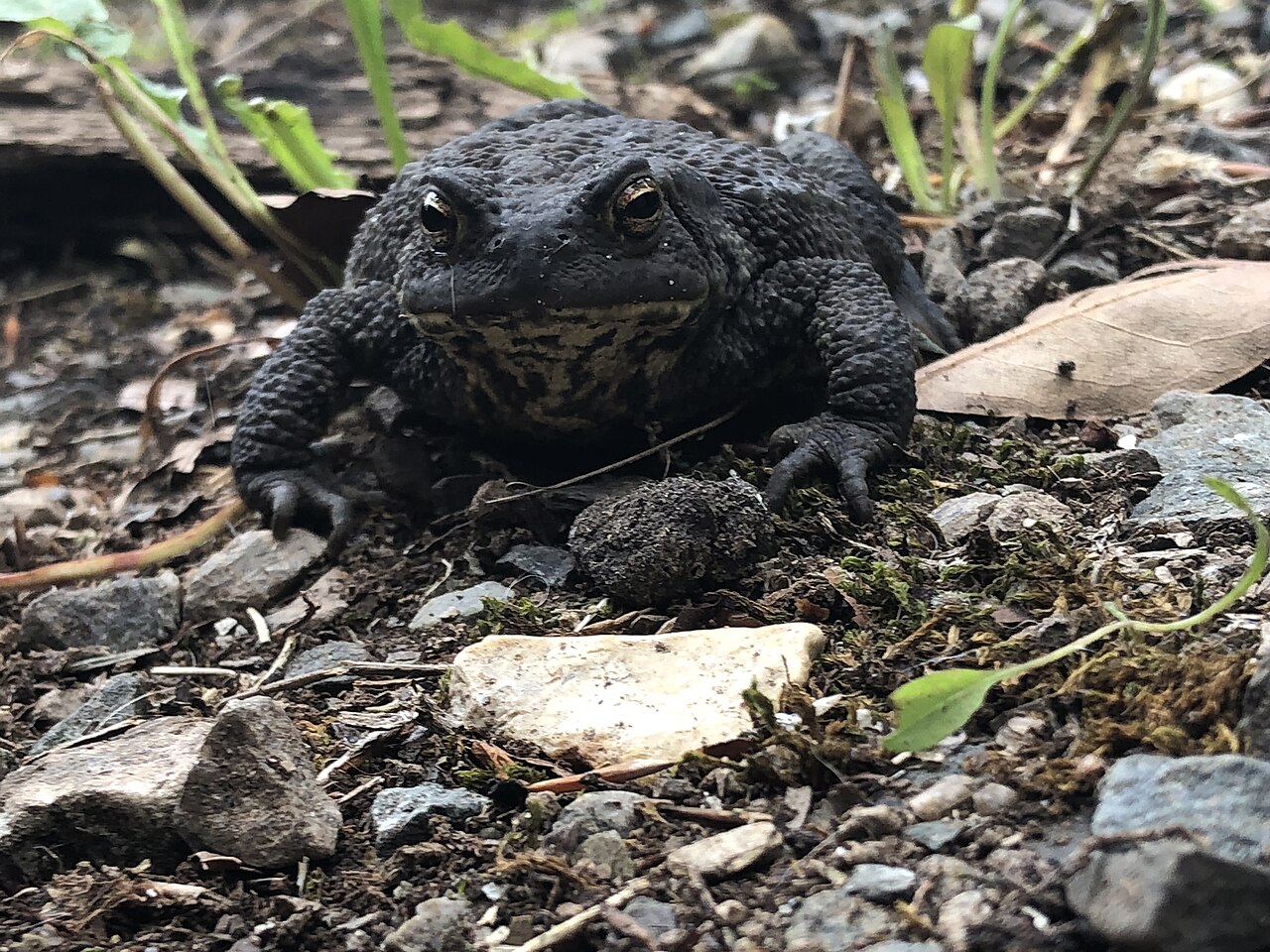
—observations
—countries
—peak records
Least ConcernConservation statusIUCN Red List categoriesLCNTVUENCREWEXLeast ConcernRed List categories, explained →
Diet & prey
- beetles
- slugs
- earthworms
Predators
- grass snakes
- hedgehogs
- herons
ThreatsRoad mortality, pond loss, pesticides, disease, drought, and drainage
HabitatsWoodland, hedgerows, gardens, grassland, and ponds used for breeding
Life spanOften ten to twelve years, with some wild individuals living considerably longer
Size / weightNot available
Classification
- OrderAnura
- FamilyBufonidae
- GenusBufo
- SpeciesBufo bufo
Range data is not available yet.
Interaction riskHigh
- Low
- Moderate
- High
- Very high
- Why interaction risk is high
- Defensive gland secretions can irritate eyes and poison animals that mouth the toad.
- Why it is dangerous
- Parotoid glands release defensive toxins that can irritate people and seriously affect pets.
- How to recognize a risky encounter
- Look for copper eyes, dry warty skin, and elongated glands directly behind the head.
- What to do
- Do not handle or allow pet contact; wash exposed skin and seek veterinary help after mouthing.
Responsible observation
- Watch: Use a low light briefly and allow nocturnal toads to continue moving.
- Protect: Keep pets from mouthing toads and avoid blocking seasonal pond crossings.
Help improve the field guideSomething wrong?
Checking your Fauna account…Report a name, category, or profile issue for review.