
Amphibian · GBIF taxon 5217159
Caucasian Toad
Bufo verrucosissimusAlso known as Caucasian Common Toad, Caucasian Forest Toad
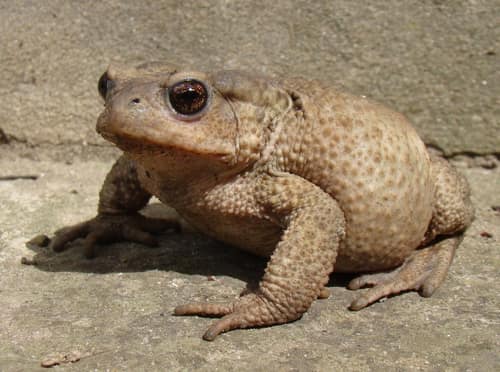
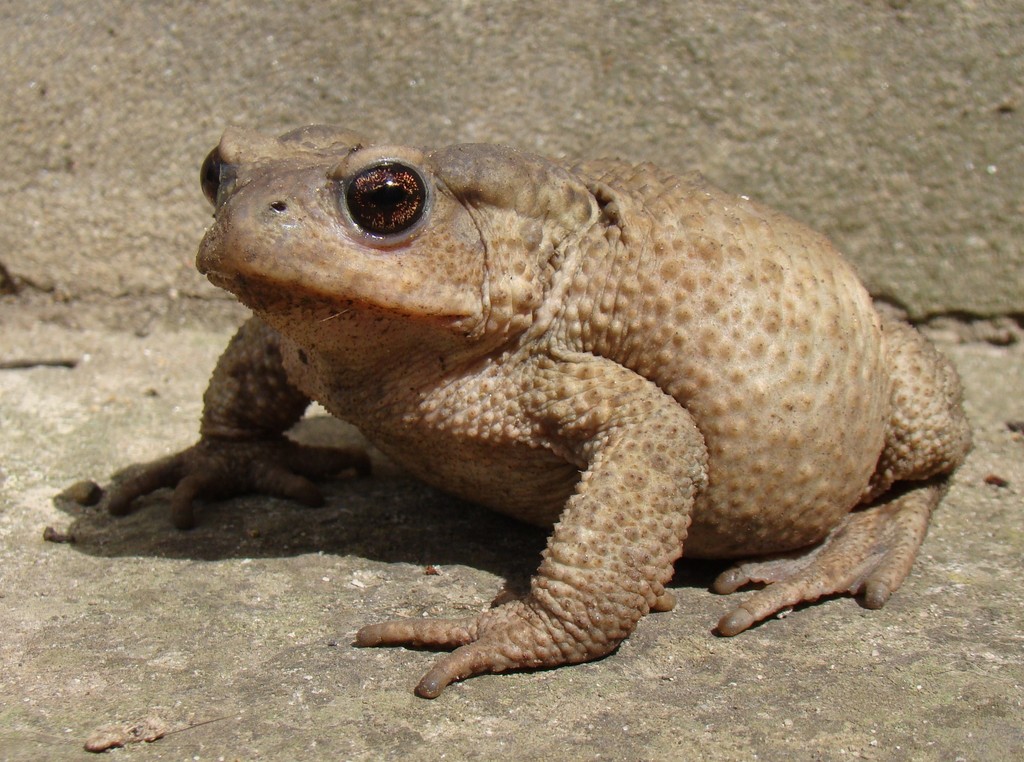
Caucasian toads inhabit damp mountain woodlands and shaded riverbanks, spending hot daylight hours concealed under fallen logs or subterranean burrows. As twilight falls, these large amphibians emerge to hunt terrestrial invertebrates along humid forest floors using a quick sticky-tongue strike. During spring, adults migrate to quiet forest pools where females lay long jelly-like egg strings wrapped around submerged vegetation.
AmphibianForest DwellerNocturnal
—observations
—countries
—peak records
Least ConcernConservation statusIUCN Red List categoriesLCNTVUENCREWEXLeast ConcernRed List categories, explained →
Diet & prey
- Slugs
- Earthworms
- Beetles
Predators
- Grass snakes
- Birds of prey
- Hedgehogs
ThreatsHabitat loss, deforestation, water pollution
HabitatsTemperate forests, subtropical moist lowland forests, intermittent rivers, gardens, and ponds
Life span10–15 years
Size / weightNot available
Classification
- FamilyBufonidae
- SpeciesBufo verrucosissimus
Range data is not available yet.
Interaction riskHigh
- Low
- Moderate
- High
- Very high
- Why interaction risk is high
- Skin secretions contain bufotoxins that irritate eyes and cause severe illness if swallowed by pets.
- Why it is dangerous
- Secretes bufotoxins from parotoid glands behind the eyes, causing severe mucosal irritation and gastrointestinal distress if swallowed by pets.
- How to recognize a risky encounter
- Recognized by prominent parotoid glands behind the eyes, dense warty skin, and robust brown-to-grey coloration.
- What to do
- Observe without touching, and keep pets away to avoid accidental ingestion of toxic skin secretions.
- What to notice
- A large, warty toad active at night in moist mountain habitats near pools or slow streams.
- Support conservation
- Avoid trampling delicate damp microhabitats and never disturb egg strings attached to pool vegetation.
Responsible observation
- Nighttime searching: Search along damp forest paths and moist leaf litter following warm spring rains.
- Safe viewing: Observe from a short distance without picking up individuals to avoid stressing them.
- Pet safety: Keep domestic dogs on a leash in forest areas to prevent accidental ingestion.
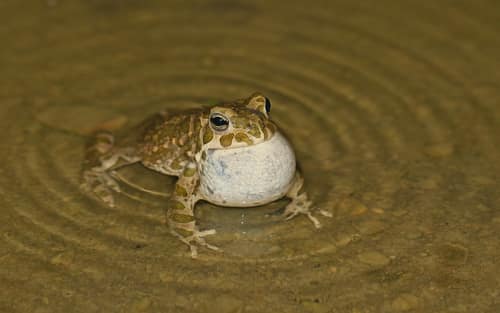
Co-occurring Species (c) Christoph Moning, some rights reserved (CC BY), uploaded by Christoph Moning · cc-by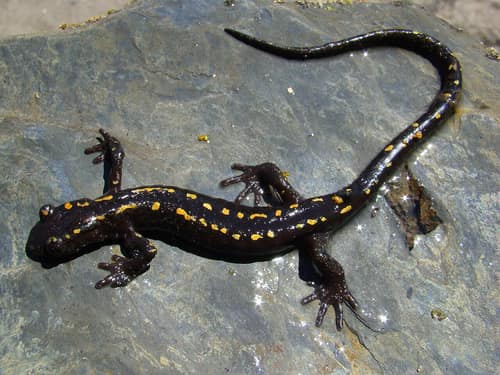
Co-occurring Amphibian Giorgimailo / CC BY-SA 4.0 · cc-by-sa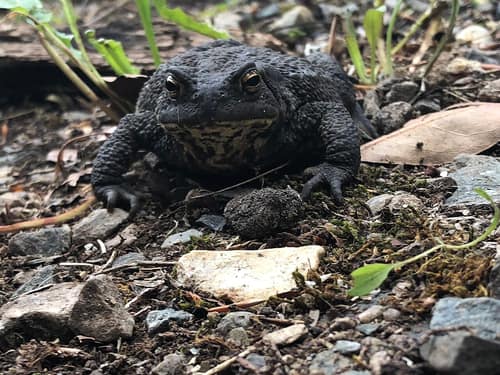
Close Relative Tythatguy1312 / CC BY-SA 4.0 · cc-by-sa
Help improve the field guideSomething wrong?
Checking your Fauna account…Report a name, category, or profile issue for review.