Also known as Toad Mountain Harlequin Frog, Darien Harlequin Frog
Darien stubfoot toads are diurnal cloud forest amphibians renowned for their bold, aposematic patterning that warns predators of potent skin neurotoxins. Adults spend their days foraging among leaf litter and mossy boulders along swift, clear mountain streams, where males establish breeding territories and use visual displays like limb-waving to signal rivals. Confined to high-elevation ridgelines in eastern Panama, wild populations face severe peril from habitat fragmentation and the devastating chytrid fungal pathogen.
Critically EndangeredConservation statusIUCN Red List categoriesLCNTVUENCREWEXCritically EndangeredRed List categories, explained →
Key facts
Diet & prey
Ants
Mites
Small beetles
Predators
Snakes
Large spiders
Birds
ThreatsChytridiomycosis fungal infection, deforestation, and climate warming
HabitatsMontane cloud forests and rocky riparian stream corridors
Life span4–8 years
Size / weightNot available
Classification
FamilyBufonidae
SpeciesAtelopus certus
Range & activity
Range data is not available yet.
Safe observation
Interaction riskHigh
Low
Moderate
High
Very high
Why interaction risk is high
Skin secretes potent neurotoxins; never touch or ingest, and observe solely from a distance.
Why it is dangerous
Produces lethal water-soluble neurotoxins in cutaneous glands that can cause numbness, paralysis, and cardiac distress if ingested or absorbed across mucous membranes.
How to recognize a risky encounter
Look for a small, slender toad with bright dorsal colors contrasted by dark marbling, lacking external eardrums and large warty parotoid glands.
What to do
Never capture or handle wild individuals, which protects human health and shields the toad from fatal skin infections.
What to notice
Small, slow-moving harlequin toad active along pristine, rushing streams in cloud forests above 500 meters elevation in Panama's Darien region.
Support conservation
Remain on designated trails, do not wade into breeding creeks, and report any wild sightings directly to conservation researchers.
Responsible observation
Viewing Etiquette: Search mossy rocks and stream foliage during daylight, maintaining distance to avoid disturbing fragile microhabitats.
Biosecurity Protocol: Thoroughly disinfect hiking boots and gear before entering pristine cloud forest streams to prevent spreading pathogenic fungi.

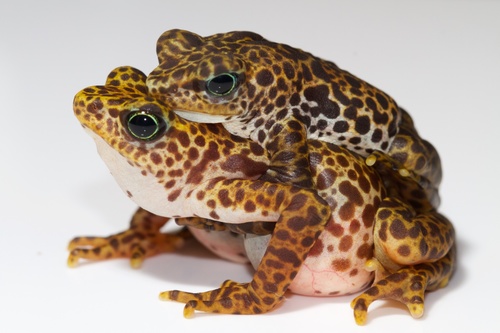
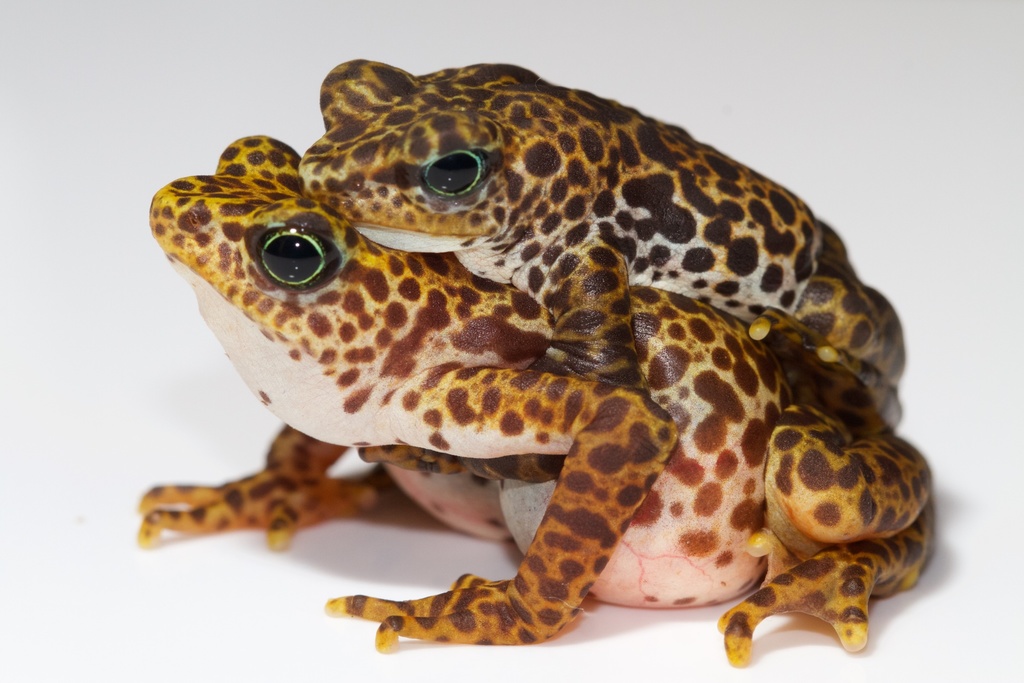
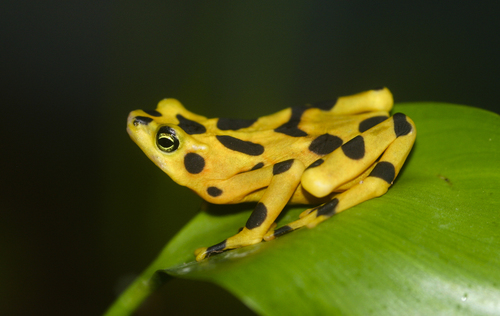
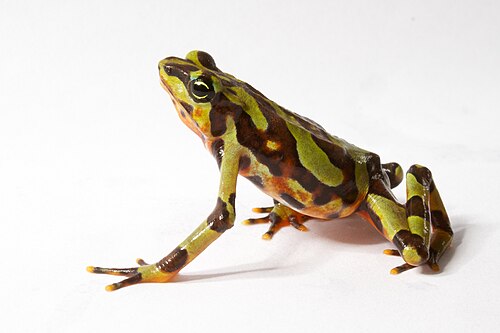
 Image unavailable