
Fish · GBIF taxon 5215777
Cownose Ray
Rhinoptera bonasusAlso known as Cownose Stingray
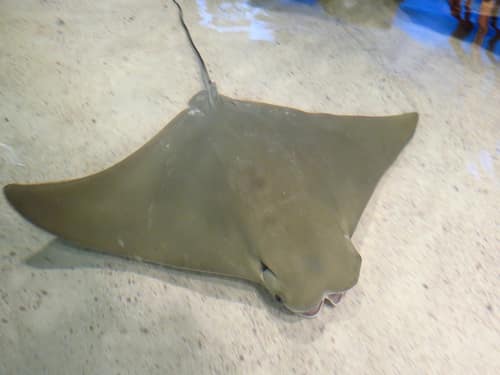
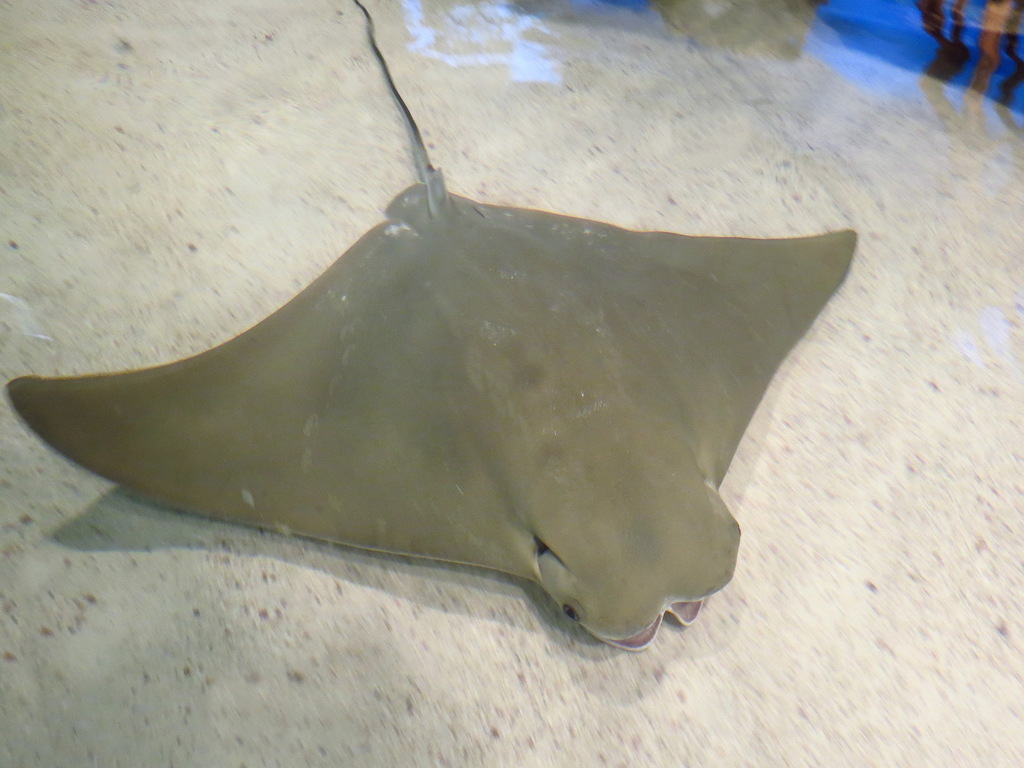
Cownose Rays are broad-winged cartilaginous fish with two rounded lobes at the front of the head and a long whip-like tail. Large schools migrate through warm western Atlantic bays and coastal waters, using plate-like teeth to crush buried shellfish.
schooling rayshellfish crusherbilobed snout
—observations
—countries
—peak records
VulnerableConservation statusIUCN Red List categoriesLCNTVUENCREWEXVulnerableRed List categories, explained →
Diet & prey
- clams
- oysters
- crabs
Predators
- hammerhead sharks
- bull sharks
- tiger sharks
ThreatsBycatch, targeted killing, habitat degradation, pollution, prey depletion, and slow reproduction
HabitatsWarm coastal bays, estuaries, lagoons, continental shelves, and shallow sandy or muddy bottoms
Life spanCan live for roughly two decades or more, while females produce very few young
Size / weightNot available
Classification
- OrderMyliobatiformes
- FamilyMyliobatidae
- GenusRhinoptera
- SpeciesRhinoptera bonasus
Range data is not available yet.
Interaction riskVery high
- Low
- Moderate
- High
- Very high
- Why interaction risk is very high
- A stepped-on or restrained ray can drive its venomous tail spine into skin and cause a painful wound.
- Why it is dangerous
- The serrated tail spine can puncture deeply and introduce venom and tissue contamination into the wound.
- How to recognize a risky encounter
- Look for pointed wings, a notched cow-like forehead, and a long tail trailing behind the disc.
- What to do
- Never grab, pin, or lift a ray; leave the water calmly and seek urgent medical care after a spine injury.
- What to notice
- Confirm the paired rounded head lobes and broad pointed fins before recording a distant sighting.
- Support conservation
- Release only with trained fishery methods, minimize air exposure, and never retain or harass a migrating school.
Responsible observation
- Wade: Shuffle feet over sandy shallows and give passing schools an open route away.
- Boat: Slow down near surface-feeding rays and avoid cutting across tightly grouped animals.
Help improve the field guideSomething wrong?
Checking your Fauna account…Report a name, category, or profile issue for review.