
Fish
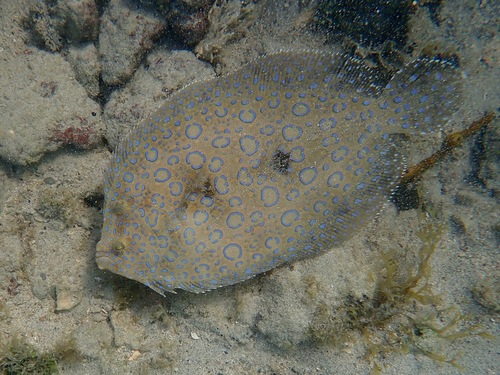
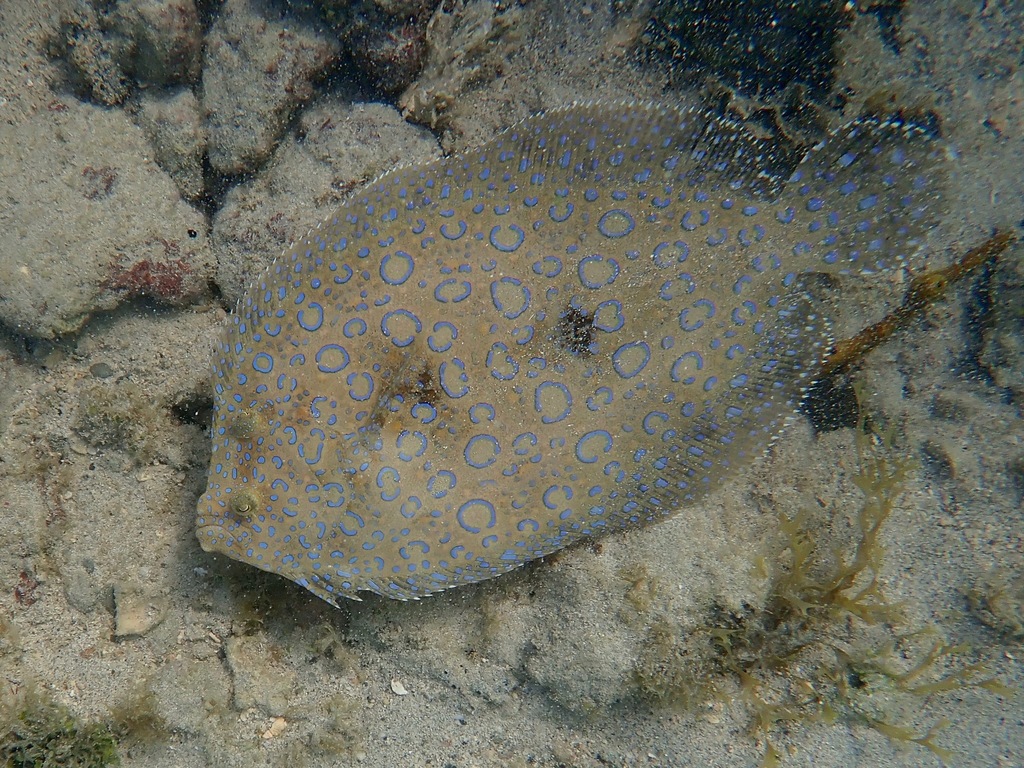
Atlantic Peacock Flounder
Bothus lunatusAlso known as Plate Fish, Peacock Flounder
Atlantic peacock flounders are masters of active camouflage, shifting their skin coloration within seconds to mirror the texture, brightness, and hue of surrounding sand, coral rubble, or rock. Both eyes reside on the left side of their flattened bodies, raised on short stalks that rotate independently to scan the water column for danger and prey while remaining buried in sediment. During courtship, males raise an elongated pectoral fin like a signaling banner and swim alongside prospective mates in synchronized twilight ascents.
MarineCamouflageCarnivore
—observations
—countries
—peak records
Least ConcernConservation statusIUCN Red List categoriesLCNTVUENCREWEXLeast ConcernRed List categories, explained →
Diet & preySmall Fishes, Crabs, Shrimps
Predators
- Reef Sharks
- Large Groupers
- Moray Eels
ThreatsCoastal development, reef degradation, and incidental bycatch
HabitatsSandy plains, coral reefs, and seagrass beds
Life span5–10 years
Classification
- OrderPleuronectiformes
- FamilyBothidae
- GenusBothus
- SpeciesBothus lunatus
Range data is not available yet.
Interaction riskLow
- Low
- Moderate
- High
- Very high
- Why interaction risk is low
- Safe to observe at a normal distance.
Responsible observation
- Spotting Movement: Watch the sandy edges of reefs for two raised, blinking eyes or subtle breathing tremors.
- Diving Etiquette: Maintain neutral buoyancy and avoid stirring up silt when watching them glide over the bottom.
- Color Changes: Observe patiently from a meter away to witness them alter their pattern across changing substrate.
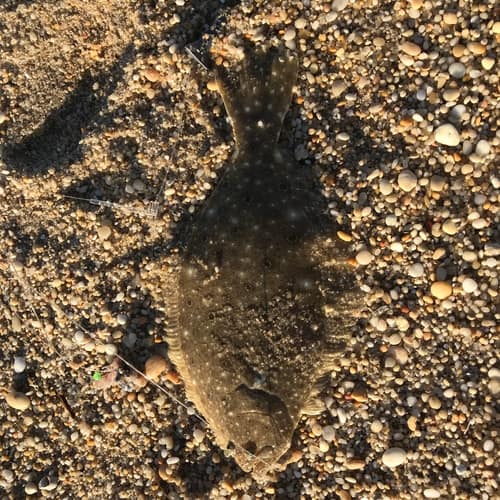
Look-alike (c) Michael Pirrello, some rights reserved (CC BY) · cc-by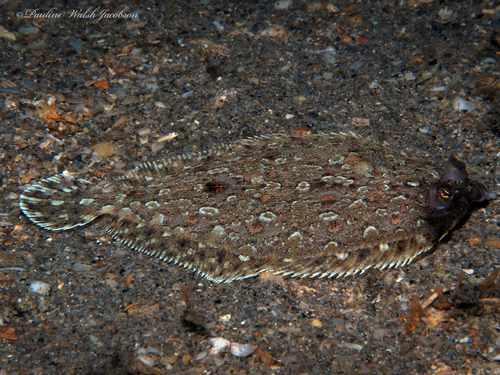
Close Relative (c) Pauline Walsh Jacobson, some rights reserved (CC BY), uploaded by Pauline Walsh Jacobson · cc-by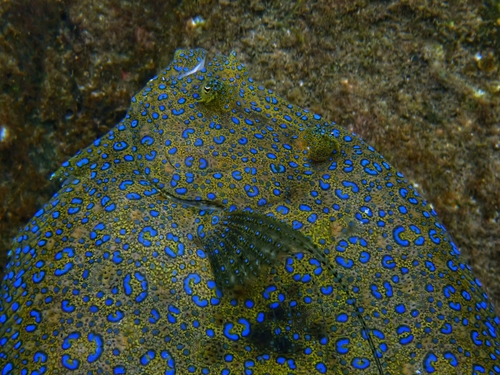
Close Relative (c) Alberto Alcalá, some rights reserved (CC BY), uploaded by Alberto Alcalá · cc-by
Help improve the field guideSomething wrong?
Checking your Fauna account…Report a name, category, or profile issue for review.