
Species · GBIF taxon 5212294
Spot Croaker
Leiostomus xanthurusAlso known as Spot, Norfolk Spot, Virginia Spot
Spot croakers assemble in massive schools in shallow coastal estuaries and bays along the Atlantic and Gulf coasts. These bottom-feeding drum species generate a distinct croaking sound by vibrating specialized muscles against their swim bladders during courtship and defensive displays. Juveniles rely on nutrient-rich salt marshes and seagrass beds as nursery grounds before migrating offshore into deeper ocean waters to spawn each autumn.
EstuarineSchoolingBottom Feeder
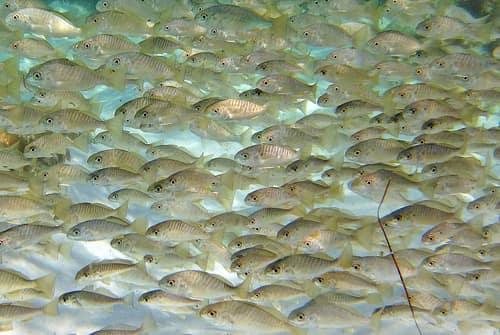
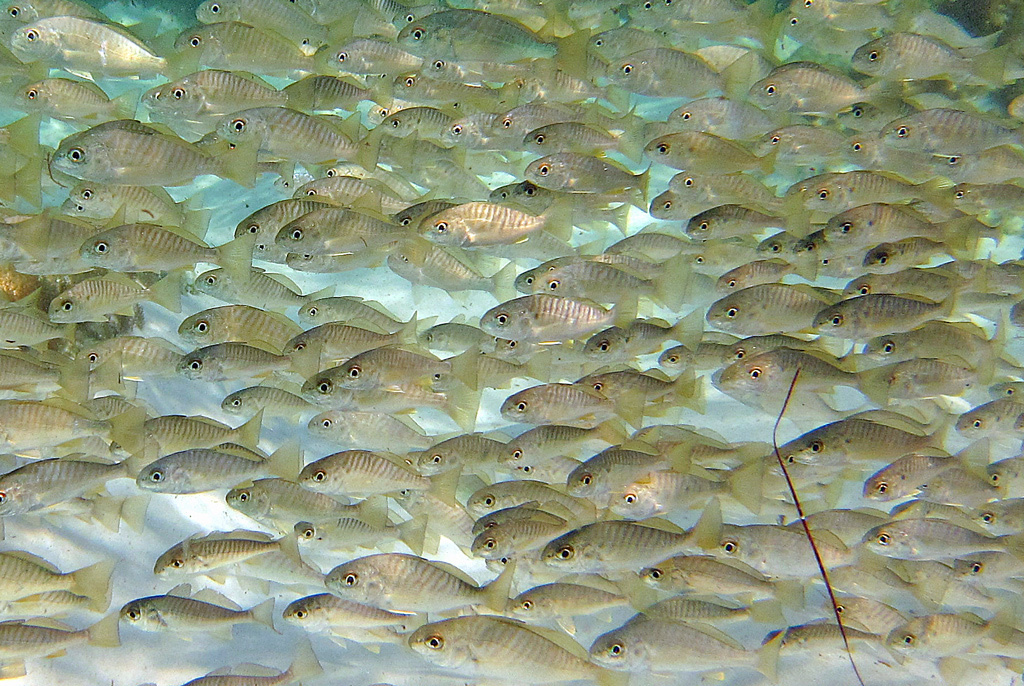
—observations
—countries
—peak records
Least ConcernConservation statusIUCN Red List categoriesLCNTVUENCREWEXLeast ConcernRed List categories, explained →
Diet & prey
- Polychaete Worms
- Amphipods
- Small Bivalves
Predators
- Striped Bass
- Red Drum
- Bottlenose Dolphin
ThreatsEstuarine habitat degradation, coastal pollution, and bycatch
HabitatsEstuaries, bays, tidal creeks, and shallow coastal ocean waters
Life span2 to 5 years
Size / weightNot available
Classification
- FamilySciaenidae
- SpeciesLeiostomus xanthurus
Range data is not available yet.
Interaction riskLow
- Low
- Moderate
- High
- Very high
- Why interaction risk is low
- Safe to observe at a normal distance.
Responsible observation
- Listening Underwater: Listen near piers or docks in late summer to hear their characteristic drumming sounds.
- Habitat Spotting: Look for active feeding groups over soft mud or sand substrates in salt marshes and tidal creeks.
- Handling Precaution: Use wet hands when releasing caught fish to preserve their protective slime coat.
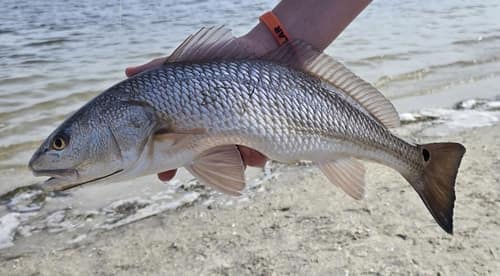
Predator (c) Quinn, some rights reserved (CC BY), uploaded by Quinn · cc-by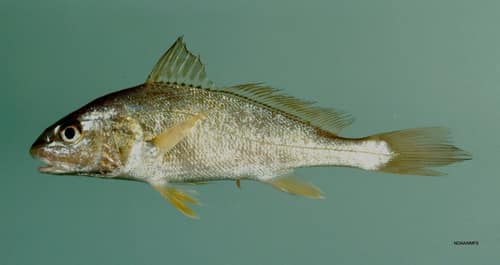
Close Relative (c) NOAA Photo Library, some rights reserved (CC BY) · cc-by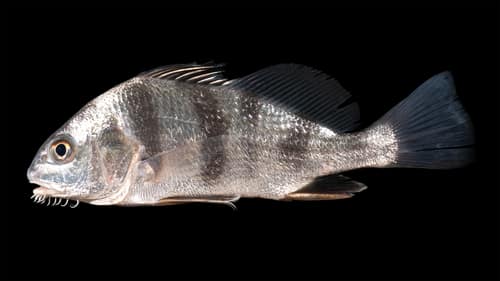
Close Relative (c) Smithsonian Environmental Research Center, some rights reserved (CC BY) · cc-by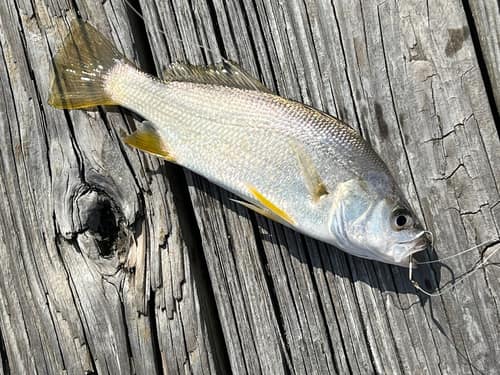
Close Relative (c) Matthew, some rights reserved (CC BY) · cc-by
Help improve the field guideSomething wrong?
Checking your Fauna account…Report a name, category, or profile issue for review.