
Species · GBIF taxon 5212059
Pink Skunk Clownfish
Amphiprion perideraionAlso known as Pink Anemonefish, Pink Skunk Anemonefish, White-maned Anemonefish
Pink skunk clownfish spend their entire lives nestled within the protective, stinging tentacles of host anemones, relying on a thick mucus coat for immunity. These active little fish constantly patrol their host, aggressively defending it from intruders while feeding on drifting zooplankton and algae. Within each anemone, a strict size-based matriarchy rules, where the largest fish is the dominant female and the second-largest is her breeding male partner.
SymbioticReef DwellingActive
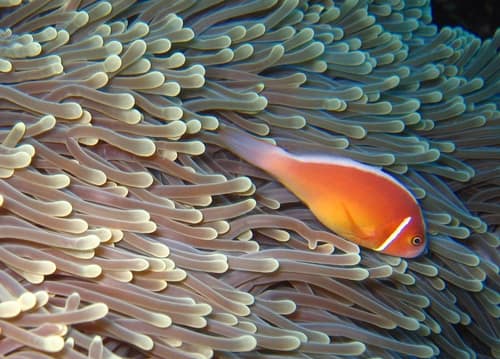
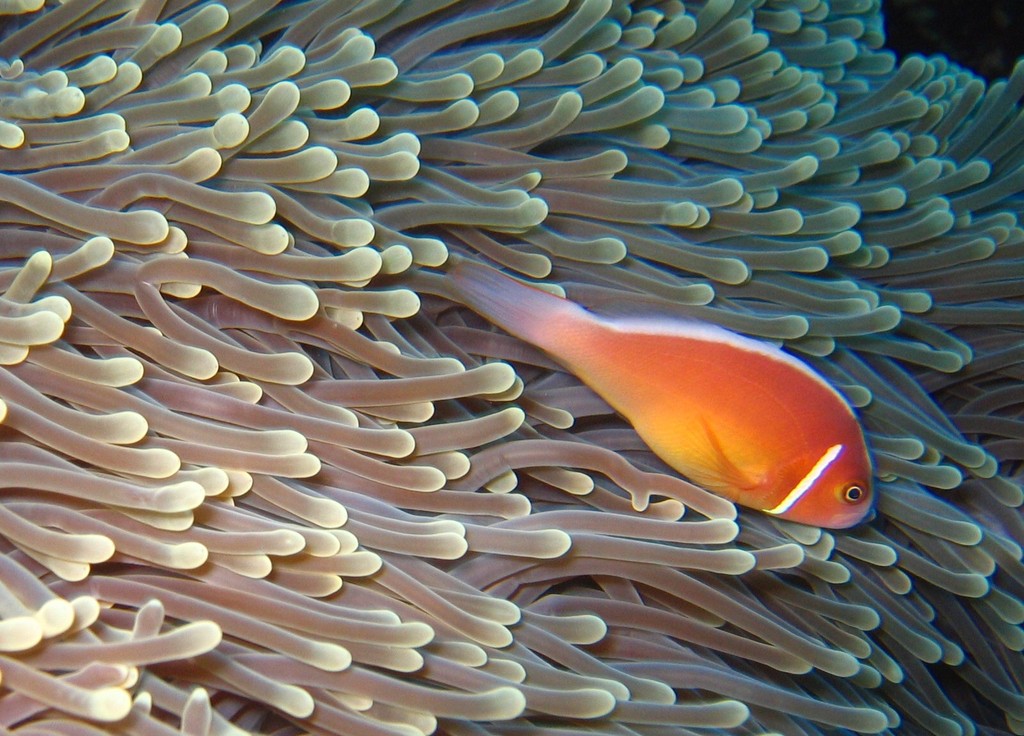
Licensed referenceRichard Ling / CC BY-SA 2.0 · cc-by-sa
—observations
—countries
—peak records
Least ConcernConservation statusIUCN Red List categoriesLCNTVUENCREWEXLeast ConcernRed List categories, explained →
Diet & prey
- Zooplankton
- Copepods
- Algae
Predators
- Groupers
- Snappers
- Moray Eels
ThreatsCoral bleaching, habitat degradation, and overcollection for the aquarium trade
HabitatsCoral reefs, lagoons, and outer reef slopes hosting compatible sea anemones
Life span6 to 10 years in the wild
Size / weightNot available
Classification
- FamilyPomacentridae
- SpeciesAmphiprion perideraion
Range data is not available yet.
Interaction riskLow
- Low
- Moderate
- High
- Very high
- Why interaction risk is low
- Safe to observe at a normal distance.
Responsible observation
- Look for Hosts: Scan magnificent or leathery sea anemones on shallow reefs to spot these fish.
- Keep Your Distance: Avoid touching the host anemone, as its stinging cells can cause painful skin irritation.
- Watch the Behavior: Observe their frantic swimming patterns and bold defensive displays when divers get close.
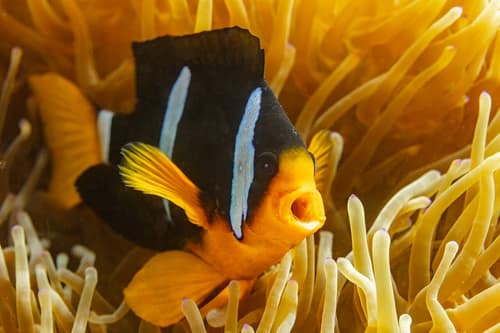
Competitor Diego Delso / CC BY-SA 4.0 · cc-by-sa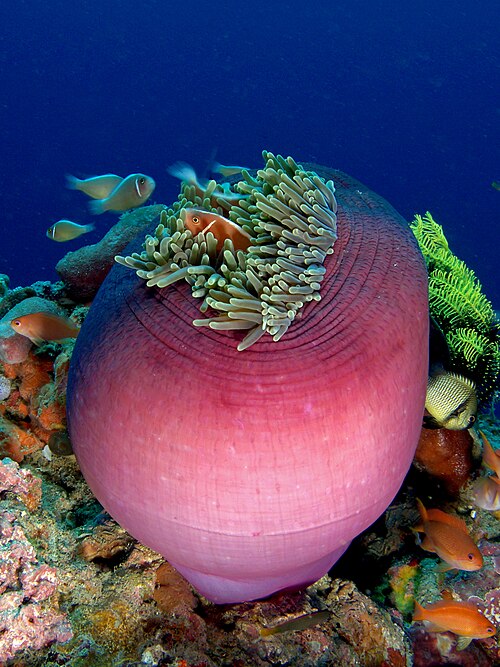
Symbiont Nhobgood Nick Hobgood / CC BY-SA 3.0 · cc-by-sa Image unavailable
Symbiont Close Relative 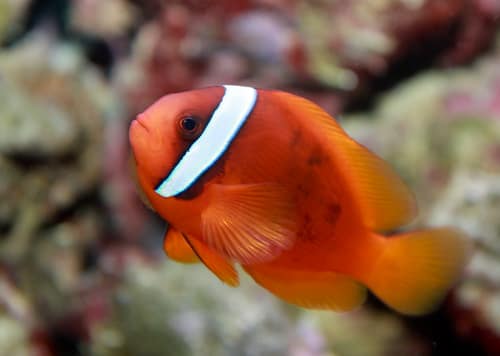
Close Relative "tomato clownfish, Amphiprion frenatus" by brian.gratwicke is licensed under CC BY 2.0. To view a copy of this license, visit https://creativecommons.org/licenses/by/2.0/. · cc-by
Help improve the field guideSomething wrong?
Checking your Fauna account…Report a name, category, or profile issue for review.