
Fish
Guadalupe Bass
Micropterus treculiiAlso known as Guadalupe Spotted Bass, Black Bass
Adapted to swift currents, Guadalupe bass thrive in the clear, spring-fed rivers and rocky streams of the Texas Hill Country. They rely on gravelly riffles and deep pools to ambush crayfish and aquatic insects, staying near cover like overhanging vegetation and submerged boulders. Conservation efforts focus on stream restoration and managing non-native bass species to preserve pure genetic lines of this native stream predator.
EndemicRiver-DwellingGame Fish
—observations
—countries
—peak records
Near ThreatenedConservation statusIUCN Red List categoriesLCNTVUENCREWEXNear ThreatenedRed List categories, explained →
Diet & preyCrayfish, Mayfly nymphs, Small minnows
Predators
- Herons
- Ospreys
- Larger predatory fish
ThreatsHybridization with introduced smallmouth bass, habitat degradation, reduced streamflow
HabitatsClear, fast-flowing spring-fed streams and rocky rivers
Life span7–12 years
Classification
- FamilyCentrarchidae
- SpeciesMicropterus treculii
Range data is not available yet.
Interaction riskLow
- Low
- Moderate
- High
- Very high
- Why interaction risk is low
- Safe to observe; practice gentle handling if caught during catch-and-release fishing.
- What to notice
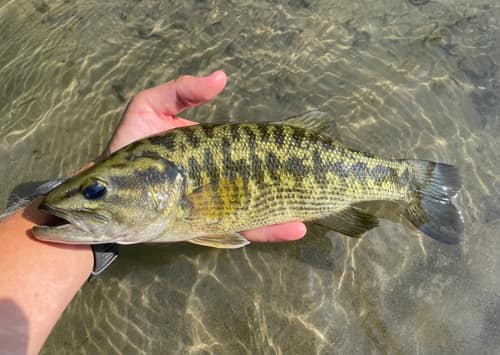
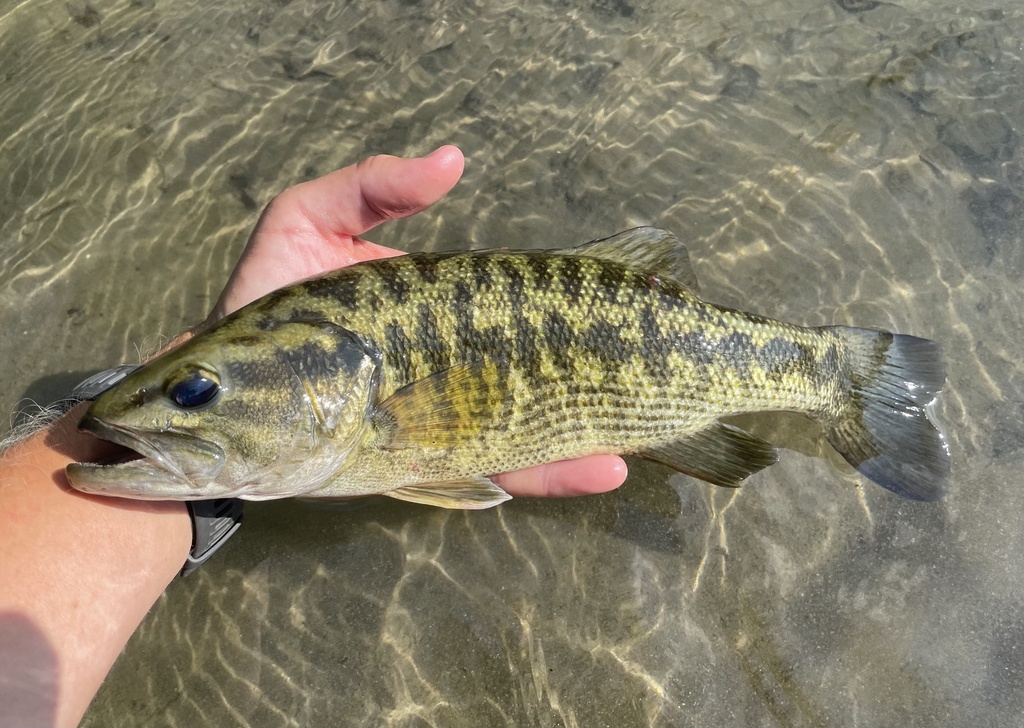
- Recognizable by greenish olive coloration, rows of dark spots below the main lateral stripe, and a dorsal fin notch.
- Support conservation
- Practice strict catch-and-release using barbless artificial lures and minimize out-of-water handling time.
Responsible observation
- Catch and Release: Use barbless hooks and handle with wet hands to minimize harm to the slime coat.
- Habitat Protection: Avoid disturbing shallow gravel beds during spring spawning from March through June.
- Identification: Look for small scales on the tail base and dark spots below the lateral line.
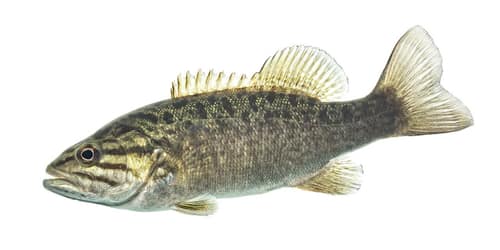
Hybridizing Competitor USFWS Mountain Prairie / Public domain · cc0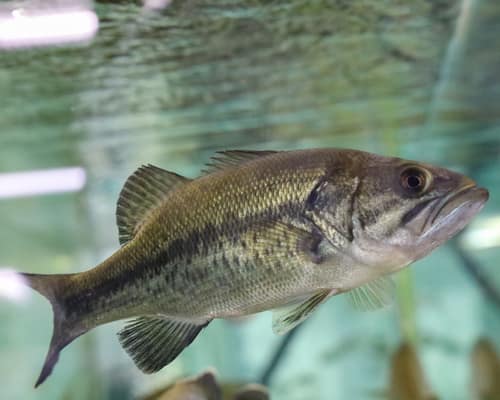
Close Relative (c) Oak Ridge National Laboratory, some rights reserved (CC BY) · cc-by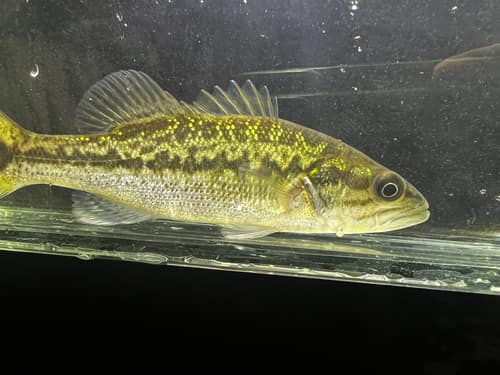
Close Relative (c) Nick Tobler (Cowturtle), some rights reserved (CC BY), uploaded by Nick Tobler (Cowturtle) · cc-by Image unavailable
Stream Relative
Help improve the field guideSomething wrong?
Checking your Fauna account…Report a name, category, or profile issue for review.