
Fish · GBIF taxon 5208090
Bluefish
Pomatomus saltatrixAlso known as Tailor, Elf, Shad, Snapper Blue
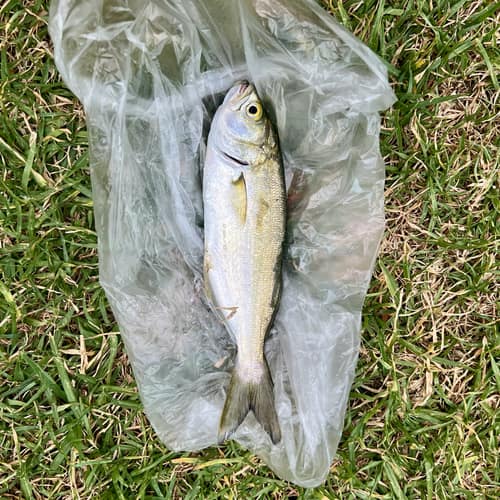
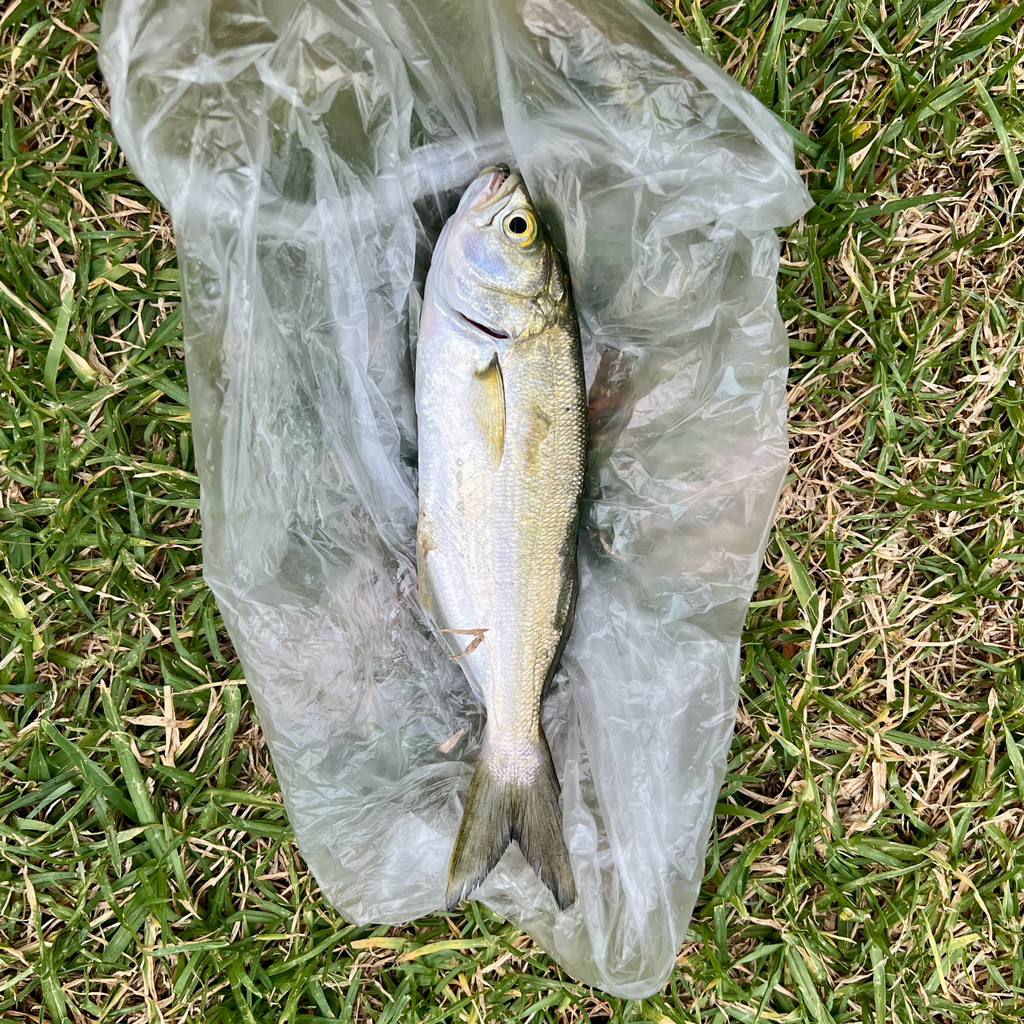
Bluefish are voracious, fast-swimming pelagic predators known for their aggressive schooling frenzies that churn coastal surfaces into boiling white foam. Armed with a single row of triangular, razor-sharp teeth, schools drive shoals of baitfish against surf breaks, relentlessly feeding well past satiety. Highly prized by recreational anglers for their tenacious fighting stamina, these wide-ranging wanderers undertake extensive seasonal migrations between coastal estuaries and offshore continental shelves.
MarinePelagicPredatory
—observations
—countries
—peak records
VulnerableConservation statusIUCN Red List categoriesLCNTVUENCREWEXVulnerableRed List categories, explained →
Diet & prey
- Atlantic Menhaden
- Longfin Squid
- Bay Anchovy
Predators
- Sandbar Shark
- Shortfin Mako
- Striped Bass
ThreatsCommercial overfishing, recreational fishing pressure, and habitat degradation of nursery estuaries
HabitatsTemperate and subtropical coastal waters, estuaries, bays, and open ocean shelves
Life span9–14 years
Classification
- OrderPerciformes
- FamilyPomatomidae
- GenusPomatomus
- SpeciesPomatomus saltatrix
Range data is not available yet.
Interaction riskLow
- Low
- Moderate
- High
- Very high
- Why interaction risk is low
- Possesses razor-sharp teeth capable of severe bites; use heavy pliers to unhook caught fish.
- Why it is dangerous
- Equipped with exceptionally sharp, scissor-like triangular teeth driven by powerful jaw muscles that easily sever fingers or slice through deep flesh.
- How to recognize a risky encounter
- Look for an elongate greenish-blue body, a prominent forked tail, a jutting lower jaw, and visible blade-like teeth.
- What to do
- Keep hands entirely away from the mouth when landing or unhooking, and secure the fish with a wet towel or Boga grip.
- What to notice
- Recognizable by their stout, iridescent blue-green flank and yellow-ringed eyes in coastal surf zones.
- Support conservation
- Practice catch-and-release with circle hooks to minimize gut hooking and revive exhausted fish thoroughly in clean current.
Responsible observation
- Handling Caution: Never lip-grip a bluefish; always use long-nosed pliers to remove hooks from their jaws.
- Surf Sightings: Look for diving seabirds along ocean beaches, which often mark churning feeding schools underneath.
- Release Etiquette: Support the fish horizontally in the water to let oxygen flow over its gills before release.
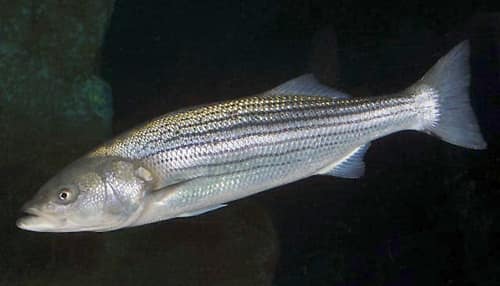
Competitor D Ross Robertson / Public domain · cc0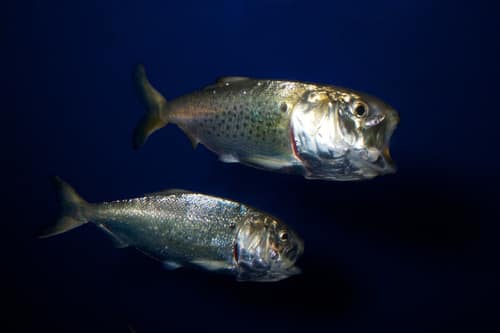
Prey (c) Brian Gratwicke, some rights reserved (CC BY) · cc-by
Predator (c) jidanchaomian, some rights reserved (CC BY-SA) · cc-by-sa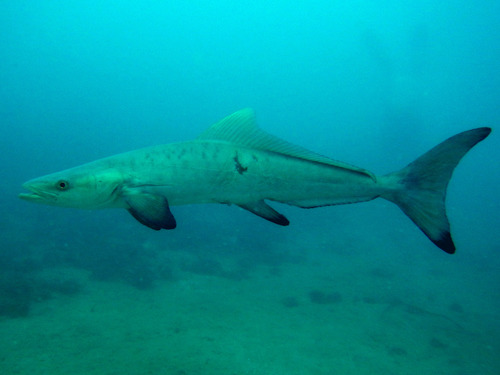
Frequent Companion (c) Ewout Knoester, some rights reserved (CC BY-SA), uploaded by Ewout Knoester · cc-by-sa
Help improve the field guideSomething wrong?
Checking your Fauna account…Report a name, category, or profile issue for review.