
Fish · GBIF taxon 5208001
European Flying Fish
Cheilopogon heterurusAlso known as Mediterranean Flyingfish, Mediterranean Flying Fish, Atlantic Flyingfish
European flying fish glide over warm ocean waters using exceptionally long pectoral fins spread wide like delicate wings. Launching out of the water to escape underwater predators such as tuna and dolphins, these shimmering silver ocean dwellers can travel hundreds of meters in a single airborne burst. Before re-entering the sea, they often whip their elongated lower caudal fin lobe against the surface to gain extra velocity.
MarineOceanicPelagic
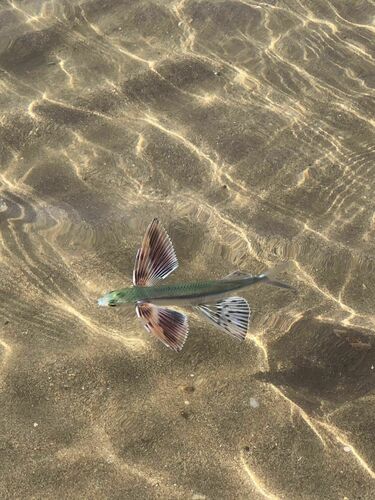
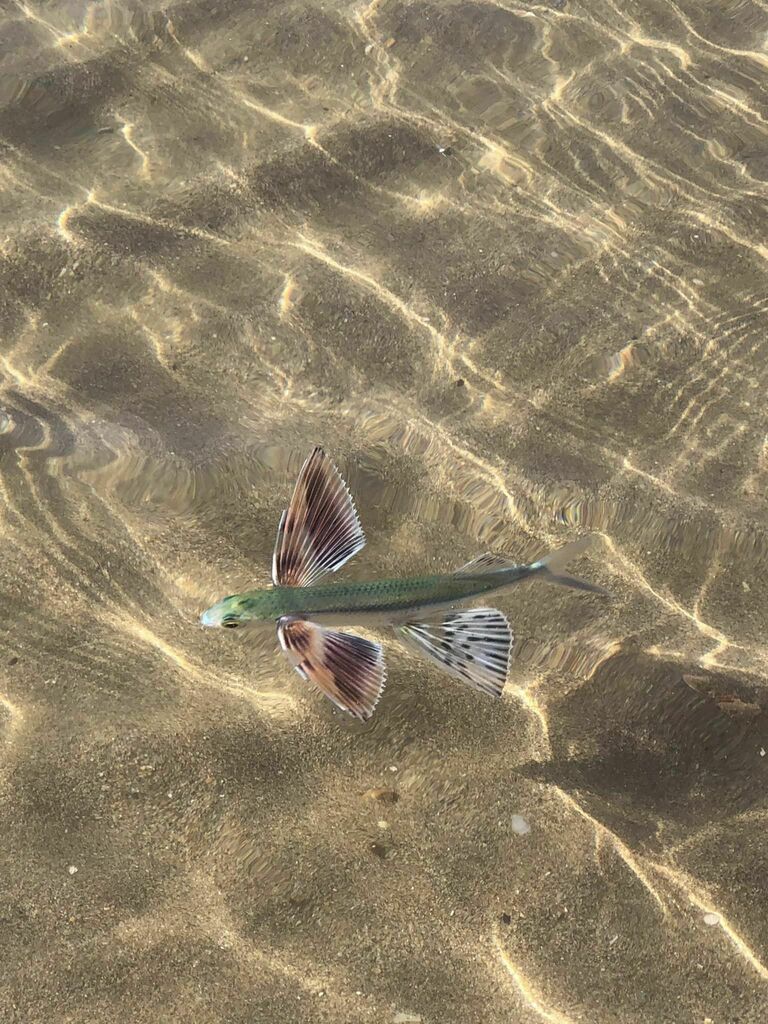 1 / 2
1 / 2—observations
—countries
—peak records
Least ConcernConservation statusIUCN Red List categoriesLCNTVUENCREWEXLeast ConcernRed List categories, explained →
Diet & prey
- Zooplankton
- Copepods
- Fish larvae
Predators
- Tuna
- Dolphins
- Seabirds
ThreatsCommercial fisheries bycatch, ocean pollution, climate change
HabitatsOpen ocean, coastal pelagic waters, epipelagic zone
Life span3–5 years
Size / weightNot available
Classification
- FamilyExocoetidae
- SpeciesCheilopogon heterurus
Range data is not available yet.
Interaction riskLow
- Low
- Moderate
- High
- Very high
- Why interaction risk is low
- Safe to observe at a normal distance.
Responsible observation
- Night Observations: Look for them skimming near boat lights in calm offshore waters after dusk.
- Boat Glides: Watch the bow waves of ocean vessels where fleeing fish frequently launch.
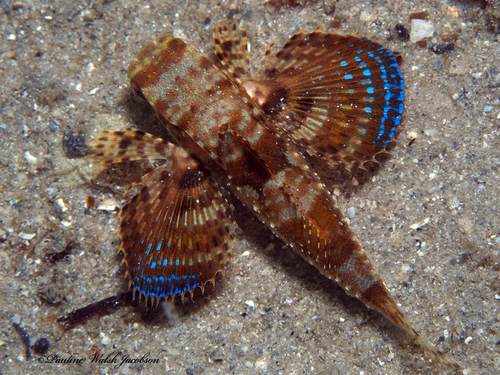
Ecological Look-alike (c) Pauline Walsh Jacobson, some rights reserved (CC BY) · cc-by Image unavailable
Predator 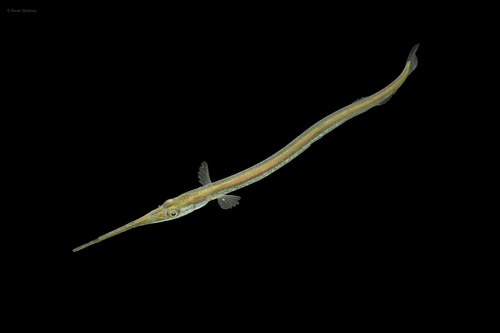
Close Relative (c) evangrimes, some rights reserved (CC BY), uploaded by evangrimes · cc-by
Help improve the field guideSomething wrong?
Checking your Fauna account…Report a name, category, or profile issue for review.