
Species · GBIF taxon 5207955
Atlantic Flyingfish
Cheilopogon melanurusAtlantic flyingfish leap out of open ocean waters to escape underwater predators, launching at high speeds by rapidly beating their tail fins against the surface. Once airborne, they spread wide, wing-like pectoral fins that enable gliding flights spanning hundreds of meters. These ocean wanderers form a critical link in pelagic food webs, feeding on tiny planktonic animals while providing vital sustenance for oceanic predators.
OceanicGliderPelagic
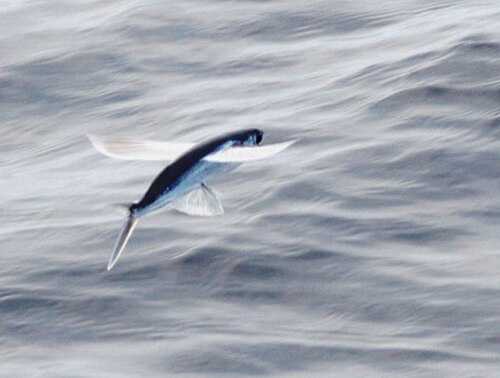
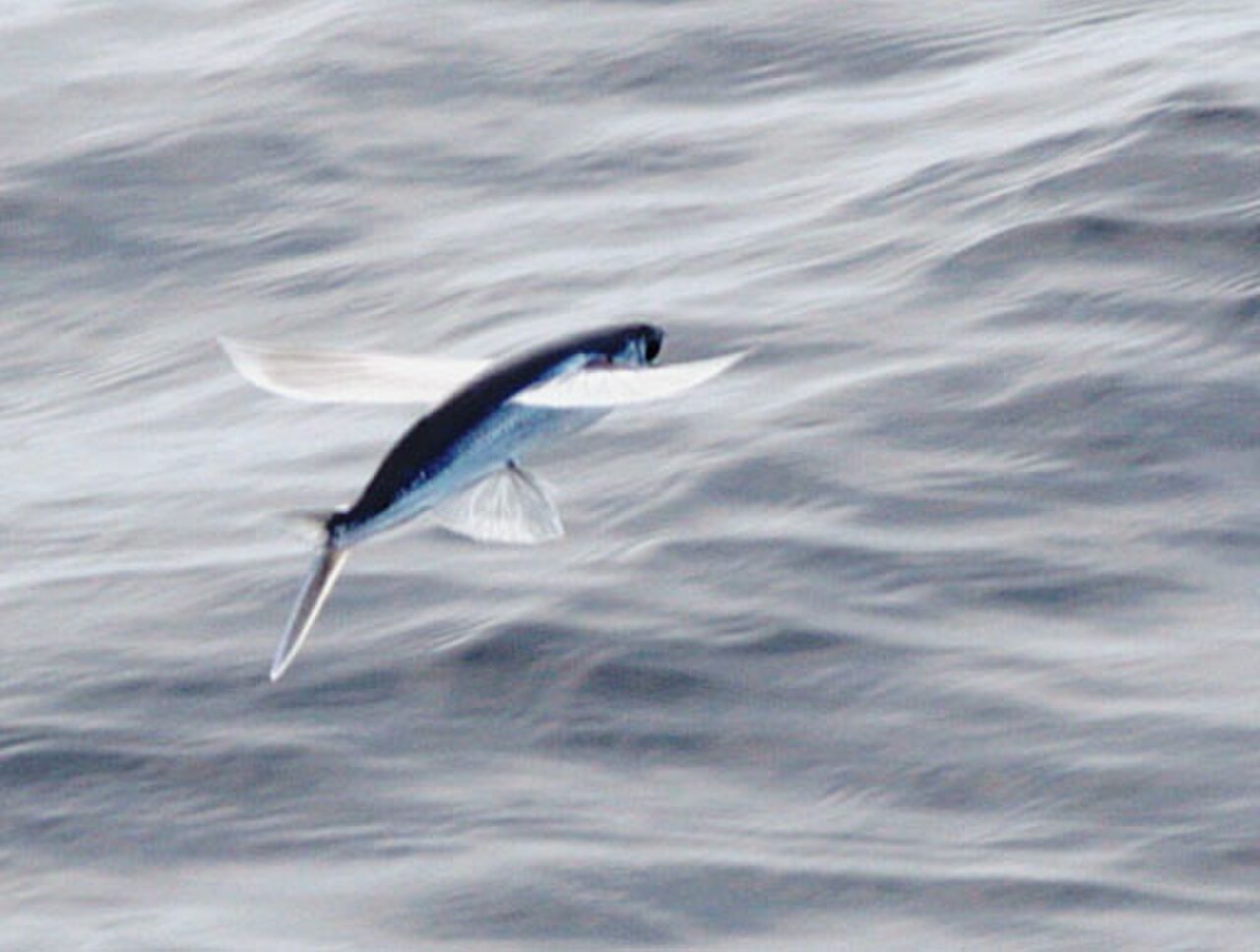
Licensed referencePatrick Coin (Patrick Coin) / CC BY-SA 2.5 · cc-by-sa
—observations
—countries
—peak records
Least ConcernConservation statusIUCN Red List categoriesLCNTVUENCREWEXLeast ConcernRed List categories, explained →
Diet & prey
- Copepods
- Amphipods
- Fish Larvae
Predators
- Mahi-mahi
- Tuna
- Oceanic Seabirds
ThreatsCommercial fishing bycatch, ocean plastics
HabitatsWarm pelagic ocean waters, floating seaweed rafts
Life span2–5 years
Size / weightNot available
Classification
- OrderBeloniformes
- FamilyExocoetidae
- GenusCheilopogon
- SpeciesCheilopogon melanurus
Range data is not available yet.
Interaction riskLow
- Low
- Moderate
- High
- Very high
- Why interaction risk is low
- Safe to observe at a normal distance.
Responsible observation
- Look for Leaps: Scan open water from vessel bows, where bow waves startle them into flight.
- Night Deck Lights: Watch vessel decks after dark, as bright lights occasionally attract gliders aboard.
- Observe Glides: Watch for tail-vibration tracks on the surface right before full takeoff.
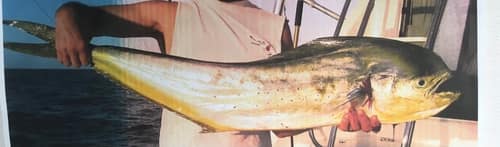
Predator no rights reserved · cc0 Image unavailable
Predator 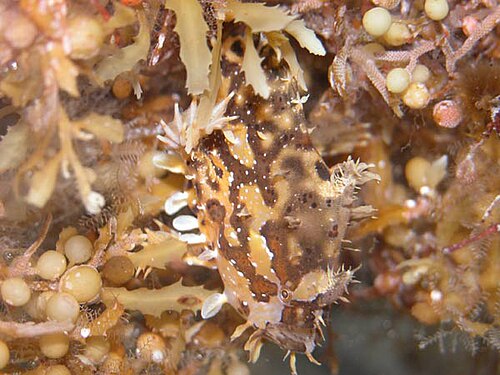
Co-habitant Art Howard/Ross et al, NOAA-OE, HBOI / Public domain · cc0Close Relative
Help improve the field guideSomething wrong?
Checking your Fauna account…Report a name, category, or profile issue for review.