
Species
Amur Stickleback
Pungitius sinensisAlso known as Gasigogi, Chinese Ninespine Stickleback
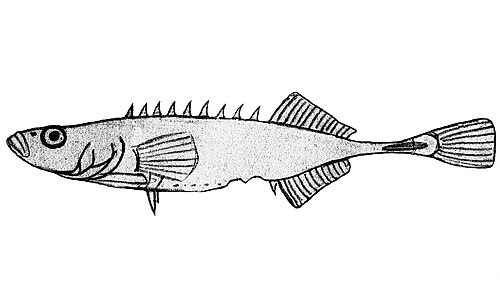
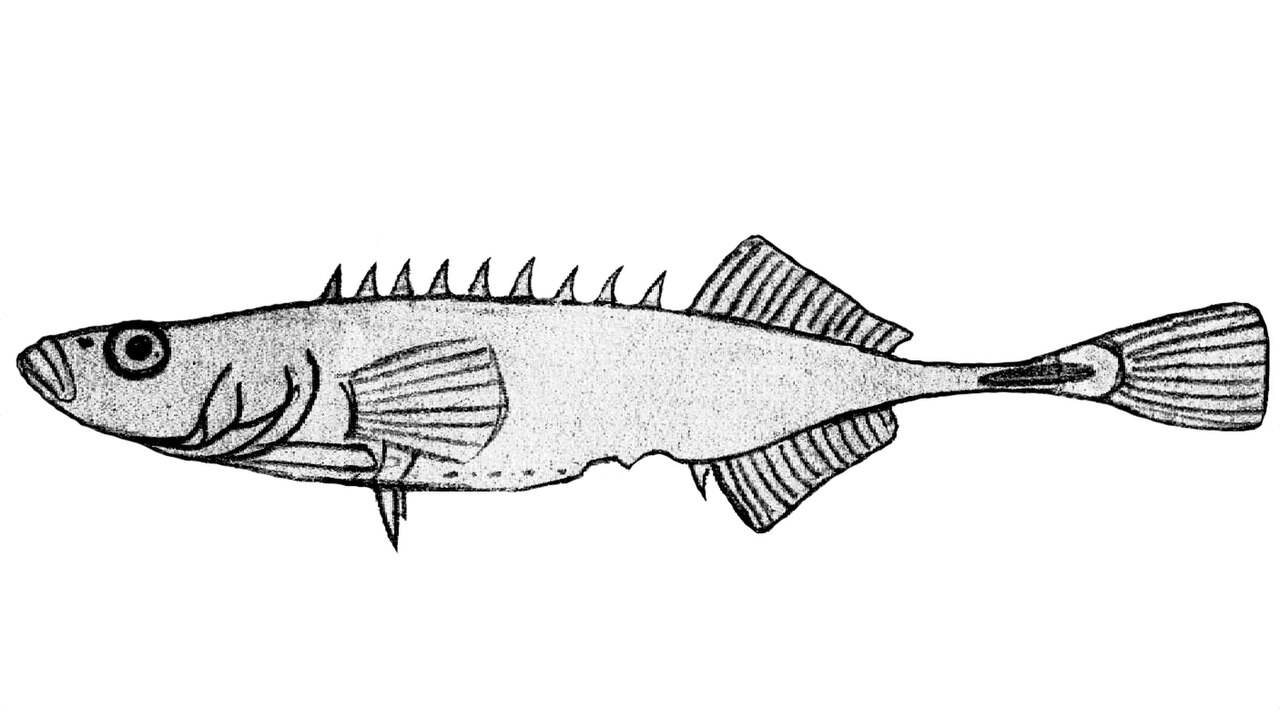
Amur sticklebacks inhabit heavily vegetated shallows, springs, and oxbows across East Asia, navigating slow currents with precise, fluttering fin movements. During the spring breeding period, males develop dark courtship coloration and construct intricate spherical nests from plant fibers glued together with specialized kidney secretions. The male fiercely defends the nest site from intruders, continuously fanning fresh, oxygen-rich water over the eggs until the fry disperse.
FreshwaterNest BuilderArmor-plated
—observations
—countries
—peak records
VulnerableConservation statusIUCN Red List categoriesLCNTVUENCREWEXVulnerableRed List categories, explained →
Diet & preyChironomid larvae, Water fleas, Copepods
Predators
- Northern snakehead
- Common kingfisher
- Grey heron
ThreatsWetland loss, river canalization, and agricultural pollution
HabitatsClear vegetated streams, oxbow ponds, wetlands, and spring pools
Life span1–3 years
Classification
- FamilyGasterosteidae
- SpeciesPungitius sinensis
Range data is not available yet.
Interaction riskLow
- Low
- Moderate
- High
- Very high
- Why interaction risk is low
- Safe to observe at a normal distance.
- What to notice
- Look for a tiny, slender fish with 8 to 11 isolated dorsal spines and bony lateral plates.
- Support conservation
- Observe from the bank without wading through clear shallows or trampling delicate submerged breeding nests.
Responsible observation
- Quiet Banks: Approach vegetated stream edges softly to avoid scaring fish into weed cover.
- Spring Breeding: Scan sunny shallows between April and June to watch nesting males fanning their broods.
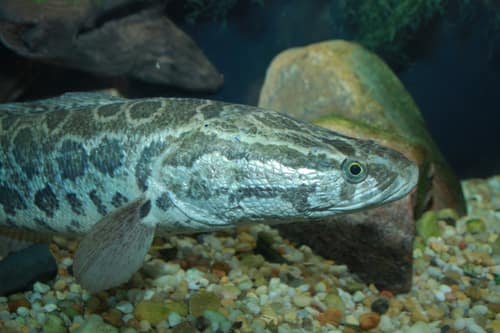
Predator (c) Brian Gratwicke, some rights reserved (CC BY) · cc-by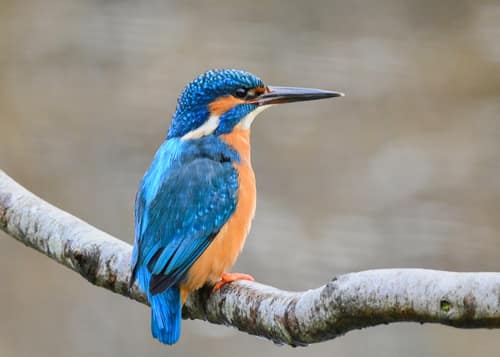
Predator (c) Frank Sengpiel, some rights reserved (CC BY), uploaded by Frank Sengpiel · cc-by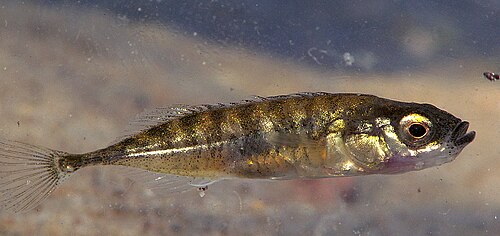
Close Relative Piet Spaans / Public domain · cc0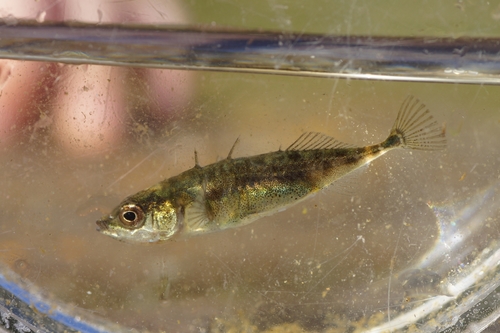
Same Family (c) Kasper Malmberg, some rights reserved (CC BY), uploaded by Kasper Malmberg · cc-by
Help improve the field guideSomething wrong?
Checking your Fauna account…Report a name, category, or profile issue for review.