
Fish · GBIF taxon 5204024
Chinook Salmon
Oncorhynchus tshawytschaAlso known as King Salmon, Spring Salmon
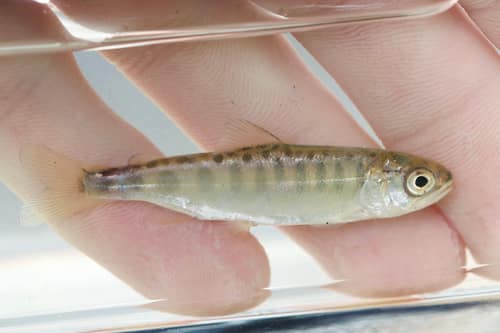
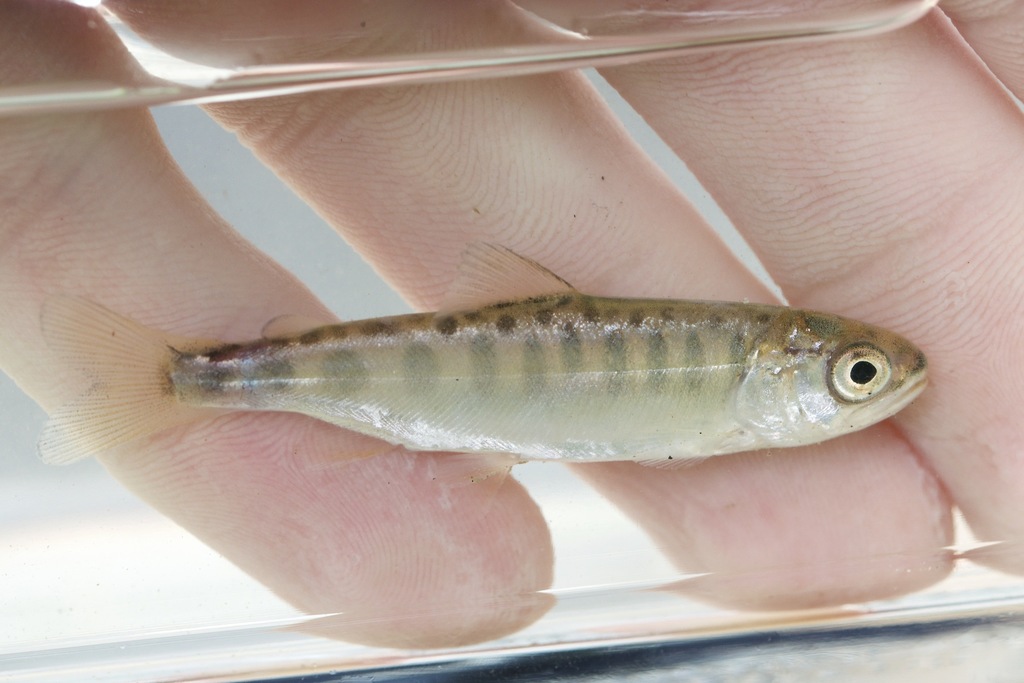
Chinook Salmon are the largest Pacific salmon, with dark gums, scattered spots across both tail lobes, and a streamlined silvery marine form. Spawning adults darken and develop hooked jaws as they return to freshwater.
anadromous fishspawning migrationPacific salmon
 1 / 7
1 / 7—observations
—countries
—peak records
Least ConcernConservation statusIUCN Red List categoriesLCNTVUENCREWEXLeast ConcernRed List categories, explained →
Diet & prey
- herring
- sand lance
- squid
Predators
- orcas
- seals
- bears
ThreatsDams, warm water, altered stream flow, habitat loss, overharvest, and changing ocean conditions
HabitatsCold rivers and streams for spawning, estuaries for transition, and productive marine waters
Life spanUsually three to seven years, ending after a single spawning migration
Size / weightNot available
Classification
- OrderSalmoniformes
- FamilySalmonidae
- GenusOncorhynchus
- SpeciesOncorhynchus tshawytscha
Range data is not available yet.
Interaction riskLow
- Low
- Moderate
- High
- Very high
- Why interaction risk is low
- Avoid entering active spawning beds and follow all local fishing closures.
Responsible observation
- Identify: Check for black gums and spots across both lobes of the tail.
- Protect: Watch spawning fish from shore without stepping on clean gravel nests.
Help improve the field guideSomething wrong?
Checking your Fauna account…Report a name, category, or profile issue for review.