
Fish · GBIF taxon 5204014
Chum Salmon
Oncorhynchus ketaAlso known as Dog Salmon, Keta Salmon, Calico Salmon, Silverbrite Salmon
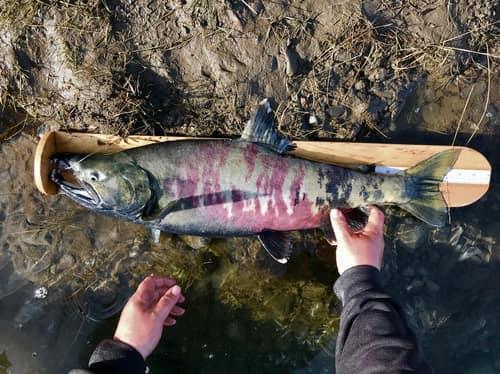
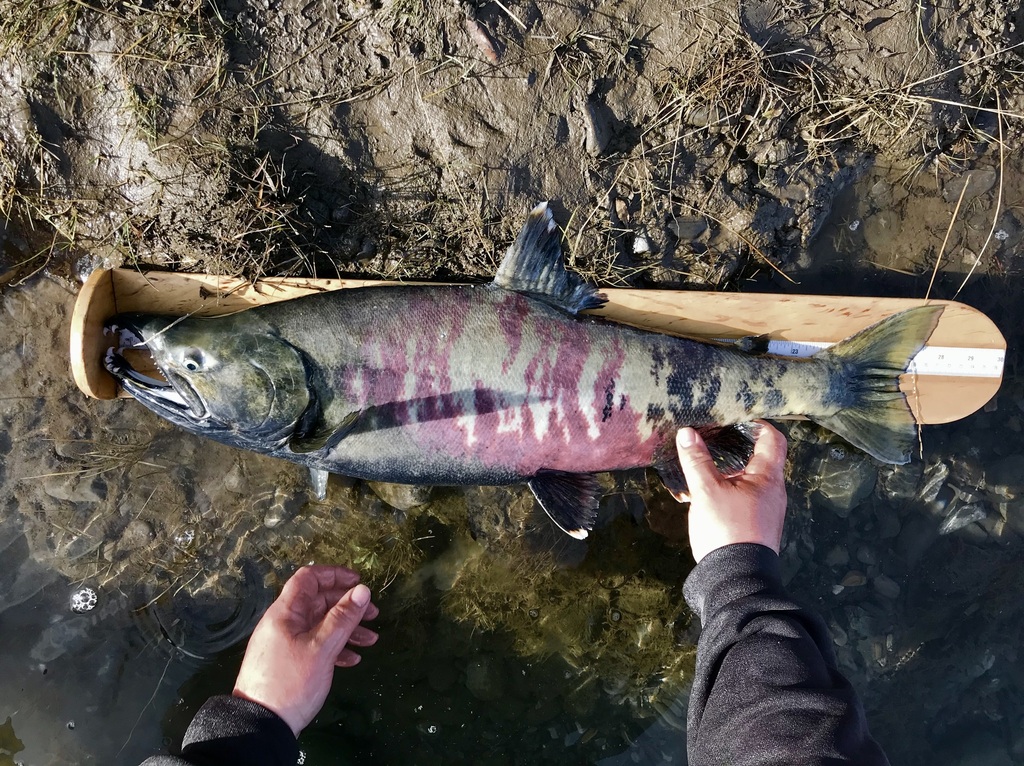
Chum salmon undertake extensive ocean migrations across the North Pacific before returning to their natal freshwater streams to spawn. During their ocean phase, they display a silvery coloration, but spawning adults develop dark olive bodies marked with striking purple and crimson vertical bands, along with hooked jaws fitted with large teeth. Dying shortly after spawning, their carcasses deliver critical marine-derived nutrients that fertilize coastal rainforest ecosystems.
AnadromousMigratoryKeystone Species
—observations
—countries
—peak records
Least ConcernConservation statusIUCN Red List categoriesLCNTVUENCREWEXLeast ConcernRed List categories, explained →
Diet & prey
- Amphipods
- Euphausiids
- Small Squid
Predators
- Grizzly Bears
- Orcas
- Bald Eagles
ThreatsDam construction, spawning habitat loss, ocean warming
HabitatsNorth Pacific Ocean, coastal rivers, estuaries
Life span3–5 years
Size / weightNot available
Classification
- OrderSalmoniformes
- FamilySalmonidae
- GenusOncorhynchus
- SpeciesOncorhynchus keta
Range data is not available yet.
Interaction riskLow
- Low
- Moderate
- High
- Very high
- Why interaction risk is low
- Safe to observe at a normal distance.
- What to notice
- Recognize spawning adults by their large size, hooked jaws, and purple-crimson tiger striping.
- Support conservation
- Stay on designated paths along riverbanks and refrain from wading into shallow spawning gravel.
Responsible observation
- Spawning Etiquette: Observe runs from riverbanks to avoid disturbing spawning redds in river gravel.
- Polarized Lenses: Wear polarized sunglasses to cut water glare when watching migrating fish.
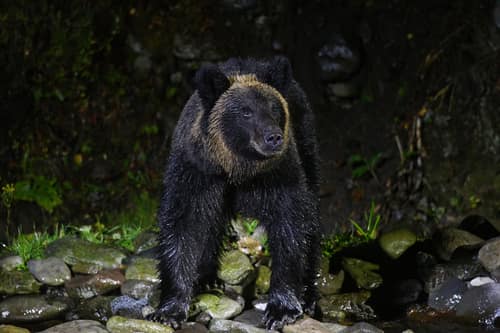
Predator (c) Nathan Ruser, some rights reserved (CC BY), uploaded by Nathan Ruser · cc-by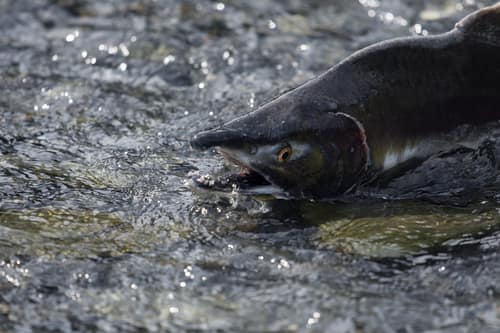
Close Relative (c) Mike Duran, some rights reserved (CC BY), uploaded by Mike Duran · cc-by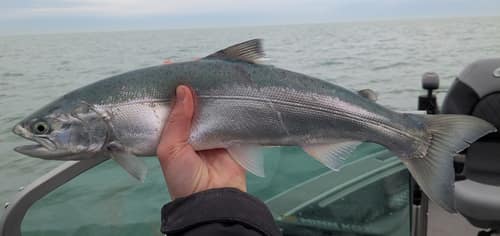
Close Relative (c) Quinn, some rights reserved (CC BY), uploaded by Quinn · cc-by
Help improve the field guideSomething wrong?
Checking your Fauna account…Report a name, category, or profile issue for review.