
Fish
Common Molly
Poecilia sphenopsAlso known as Mexican Molly, Short-finned Molly, Sphenops Molly
Common mollies inhabit slow-moving streams, coastal lagoons, and vegetated estuaries across Mexico and northern Central America. These adaptable livebearers graze constantly on algae and detritus while using modified anal fins called gonopodia for internal fertilization. Females give birth directly to active, free-swimming fry roughly every four weeks, forming loose social shoals that seek shelter among dense aquatic vegetation.
FreshwaterLivebearerOmnivore
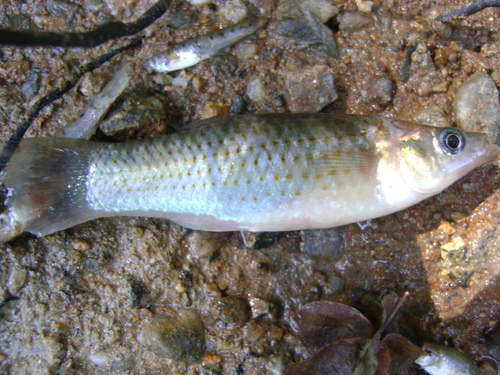
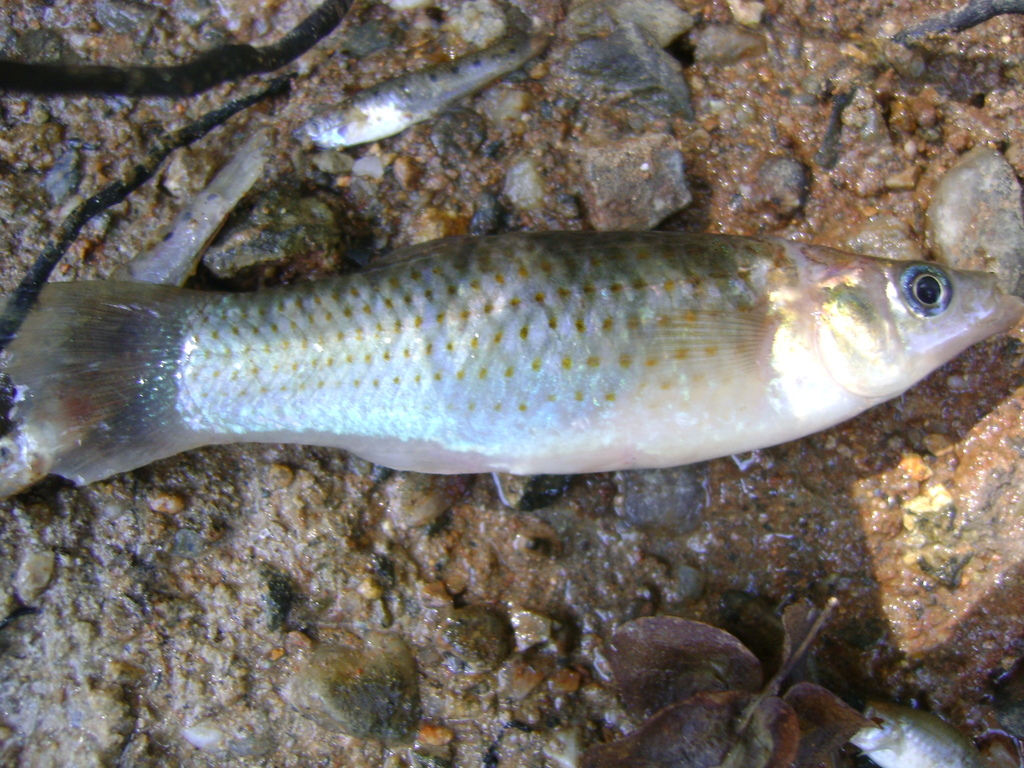
—observations
—countries
—peak records
Least ConcernConservation statusIUCN Red List categoriesLCNTVUENCREWEXLeast ConcernRed List categories, explained →
Diet & preyFilamentous algae, Mosquito larvae, Detrital biofilm
Predators
- Kingfishers
- Herons
- Larger predatory cichlids
ThreatsWater pollution, agricultural runoff, habitat alteration, and introduced predatory fish
HabitatsLowland rivers, freshwater streams, canals, brackish estuaries, and coastal lagoons
Life span3–5 years
Classification
- OrderCyprinodontiformes
- FamilyPoeciliidae
- GenusPoecilia
- SpeciesPoecilia sphenops
Range data is not available yet.
Interaction riskLow
- Low
- Moderate
- High
- Very high
- Why interaction risk is low
- Safe to observe at a normal distance.
Responsible observation
- Observation angle: Look along sunny, shallow shallows where shoals congregate to graze on submerged rocks.
- Movement: Approach stream banks slowly to avoid casting sudden shadows that trigger diving responses.
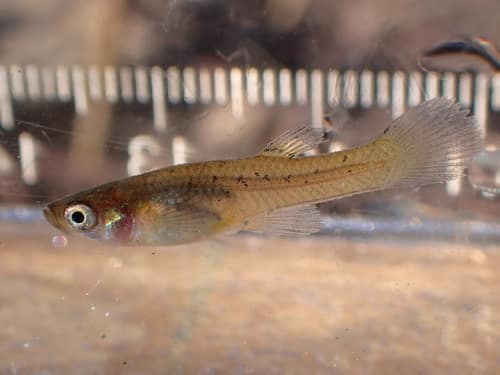
Competitor (c) Zakqary Roy, some rights reserved (CC BY), uploaded by Zakqary Roy · cc-by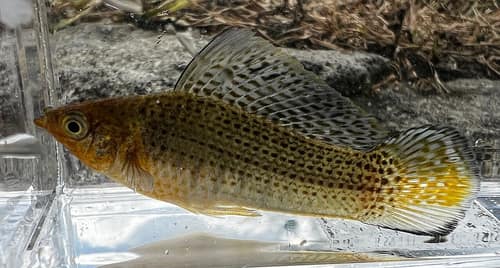
Close Relative (c) Nick Tobler (Cowturtle), some rights reserved (CC BY) / CC BY 4.0 · cc-by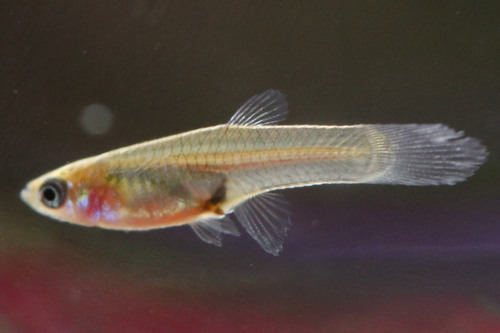
Close Relative (c) Franz Anthony, some rights reserved (CC BY), uploaded by Franz Anthony · cc-by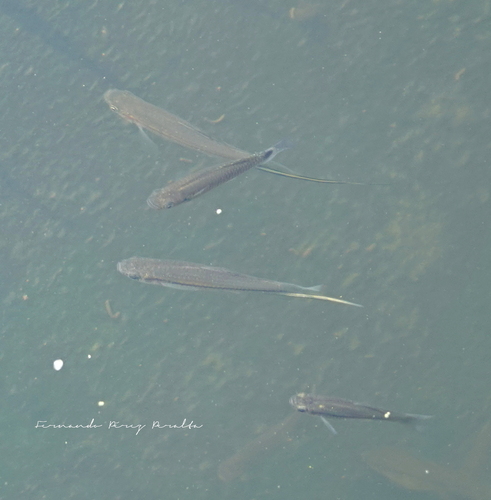
Same Family no rights reserved · cc0
Help improve the field guideSomething wrong?
Checking your Fauna account…Report a name, category, or profile issue for review.