
Fish · GBIF taxon 5203123
Tarpon
Megalops atlanticusAlso known as Silver King, Cuffum, Sabalo
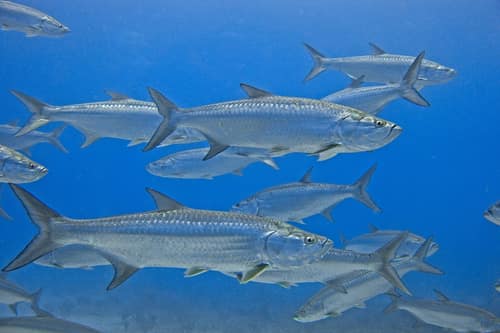
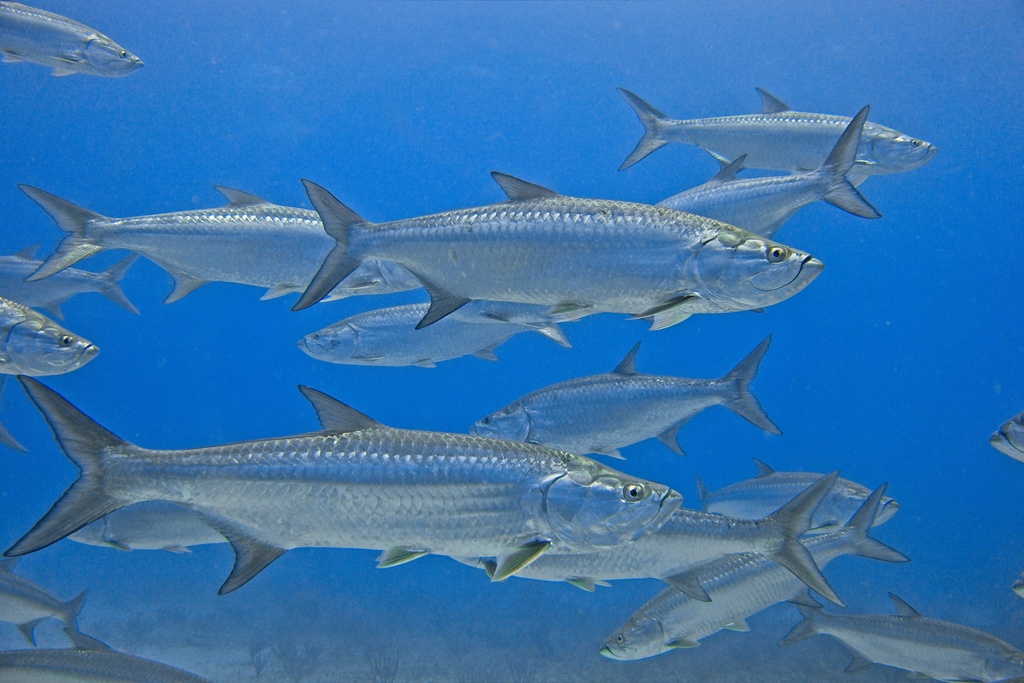
Atlantic tarpons are famous for their brilliant silver scales, large upturned mouths, and dramatic acrobatic leaps when hooked or startled. Capable of gulping air directly into a modified swim bladder, these ancient predatory fish thrive in warm oxygen-poor coastal waters, mangroves, and tidal rivers. Large schools migrate hundreds of miles along tropical coastlines each year to spawn in open ocean waters.
AcrobaticCoastalMigratory
 1 / 7
1 / 7—observations
—countries
—peak records
VulnerableConservation statusIUCN Red List categoriesLCNTVUENCREWEXVulnerableRed List categories, explained →
Diet & prey
- Mullet
- Pinfish
- Crabs
Predators
- Great Hammerhead
- Bull Shark
- American Alligator
ThreatsCoastal development, water pollution, and habitat degradation
HabitatsCoastal waters, estuaries, lagoons, and tidal rivers
Life span50–80 years
Size / weightNot available
Classification
- FamilyMegalopidae
- SpeciesMegalops atlanticus
Range data is not available yet.
Interaction riskHigh
- Low
- Moderate
- High
- Very high
- Why interaction risk is high
- Violent thrashing can cause serious blunt trauma or cut hands; keep a respectful distance when handling.
- Why it is dangerous
- Violent airborne jumps and thrashing out of the water can cause severe impact injuries or cut hands on sharp gill plates and hooks.
- How to recognize a risky encounter
- Recognized by massive silver scales, an upturned mouth, and an elongated last dorsal fin ray.
- What to do
- Keep large individuals fully supported in the water; unhook or cut the leader without dragging them onto boats or shore.
- What to notice
- Identified by a thick silvery body, large eyes, and a single dorsal fin with a long trailing filament.
- Support conservation
- Practice strict catch-and-release fishing techniques and avoid disturbing shallow mangrove nursery habitats.
Responsible observation
- Observation: Look for large silver bodies rolling at the water surface to gulp air in warm coastal bays.
- Angling Etiquette: Keep fish submerged during catch-and-release to protect their protective slime coat.
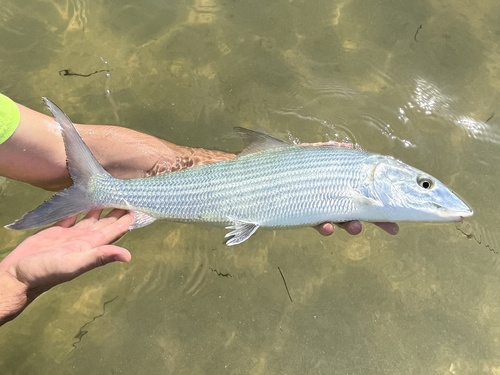
Co-occurring Species (c) James-LaFontaine, some rights reserved (CC BY), uploaded by James-LaFontaine · cc-by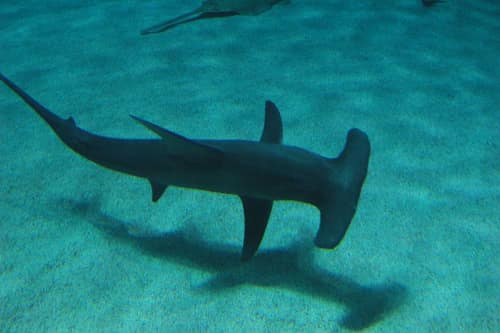
Predator (c) Jake Mohan, some rights reserved (CC BY) · cc-by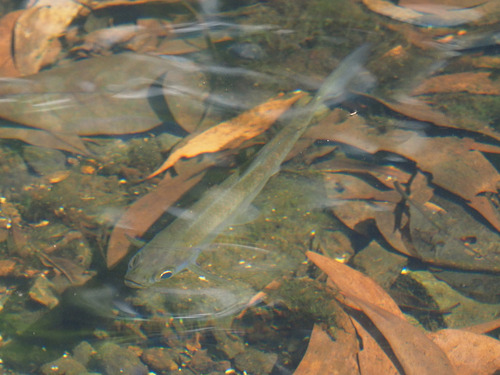
Close Relative (c) gwynmwilliams, some rights reserved (CC BY) · cc-by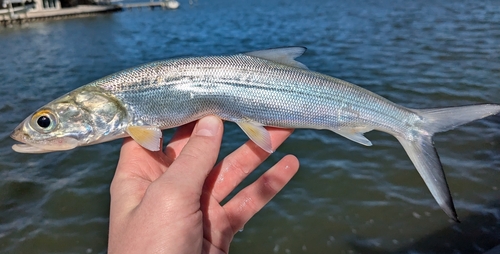
Close Relative (c) Quinn, some rights reserved (CC BY), uploaded by Quinn · cc-by
Help improve the field guideSomething wrong?
Checking your Fauna account…Report a name, category, or profile issue for review.