
Species · GBIF taxon 5202927
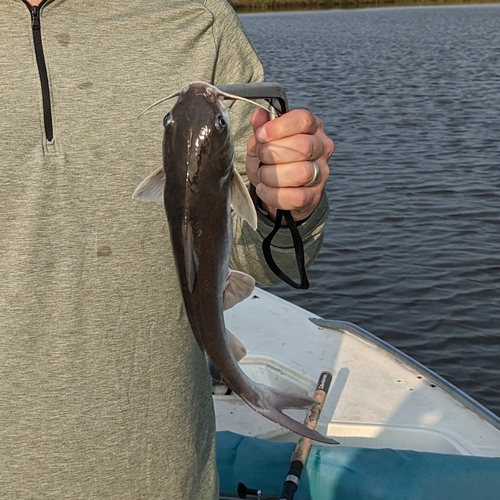
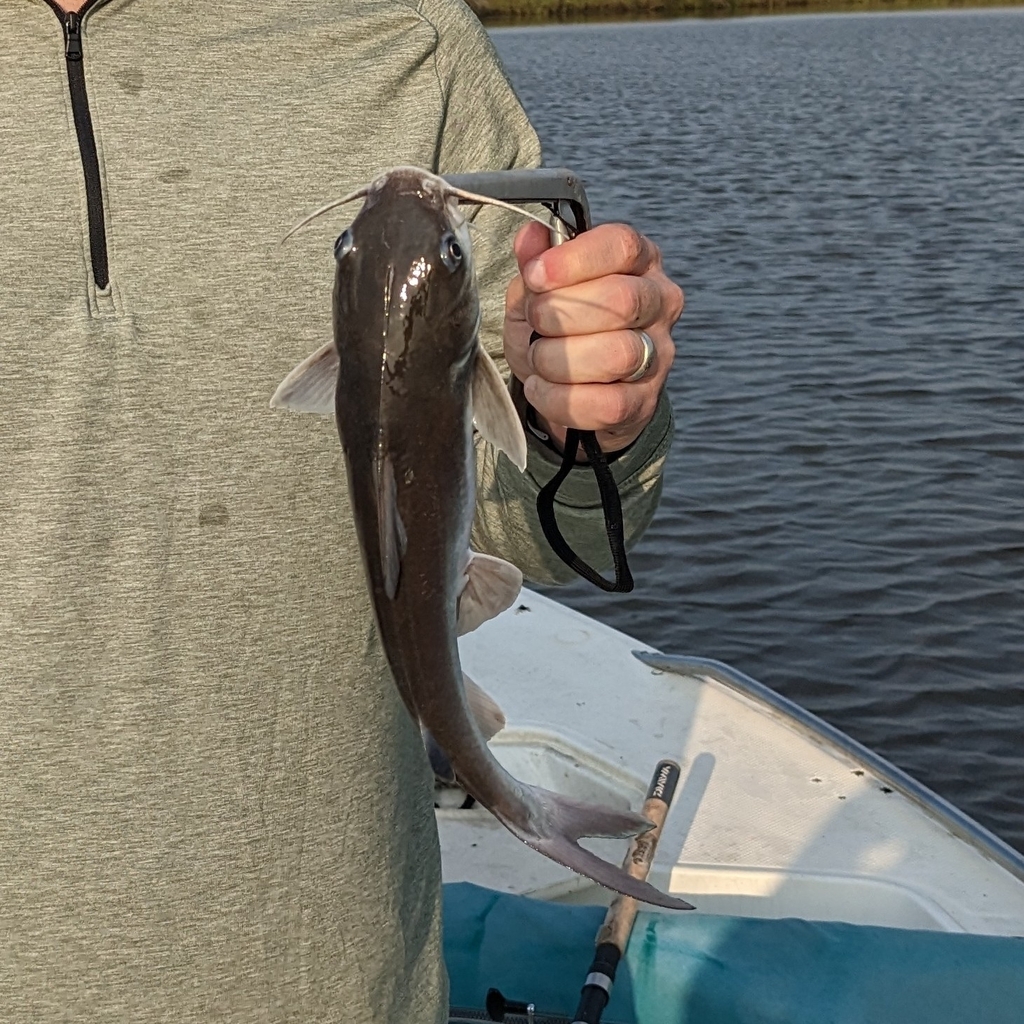
Hardhead Catfish
Ariopsis felisAlso known as Sea Catfish, Hardhead
Hardhead catfish patrol shallow coastal estuaries, bays, and muddy bottoms where they use tactile barbels to locate invertebrates and small fish. Males exhibit oral incubation, holding fertilized eggs and newly hatched fry inside their mouths for weeks without feeding. Their dorsal and pectoral fins feature sharp, serrated spines covered in toxic mucus that inflicts painful wounds on careless anglers.
CoastalEstuarineVenomous
—observations
—countries
—peak records
Least ConcernConservation statusIUCN Red List categoriesLCNTVUENCREWEXLeast ConcernRed List categories, explained →
Diet & prey
- Crabs
- Shrimp
- Small Fish
Predators
- Sharks
- Bottlenose Dolphins
- Brown Pelicans
ThreatsWater pollution, coastal development, accidental fishing mortality
HabitatsCoastal bays, estuaries, brackish river mouths, shallow ocean waters
Life span5–10 years
Size / weightNot available
Classification
- OrderSiluriformes
- FamilyAriidae
- GenusAriopsis
- SpeciesAriopsis felis
Range data is not available yet.
Interaction riskVery high
- Low
- Moderate
- High
- Very high
- Why interaction risk is very high
- Serrated fin spines carry venom that causes severe pain; handle carefully with grippers or pliers.
- Why it is dangerous
- Sharp dorsal and pectoral spines coated in venomous slime cause excruciating pain, tissue swelling, and risk of severe secondary bacterial infections.
- How to recognize a risky encounter
- Look for three lockable, serrated fin spines and a smooth, scaleless gray body with a hard bony shield on top of the head.
- What to do
- Avoid touching the dorsal and pectoral fins; secure the body behind the spines using lip grippers or thick gloves.
Responsible observation
- Hook Removal: Use long-nosed pliers or a dehooker while holding the body firmly behind the spines.
- Handling Caution: Never slide your hand along the body toward the head, as spines lock into place when threatened.
- First Aid: Rinse spine puncture wounds with hot water to break down venom proteins and reduce pain.
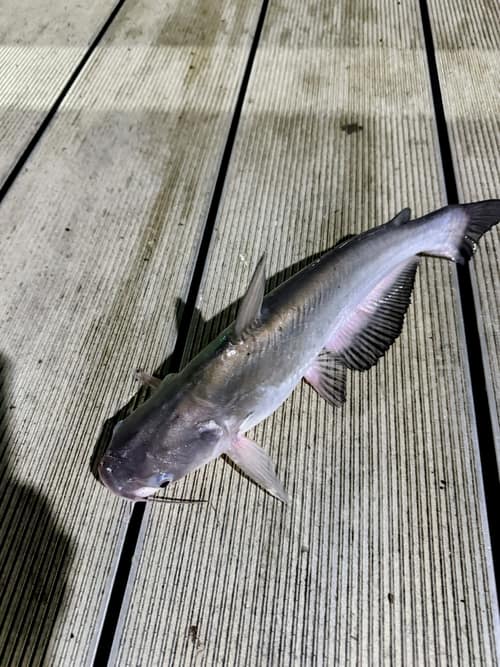
Freshwater Cousin (c) Michelle W. (鍾偉瑋), some rights reserved (CC BY) · cc-by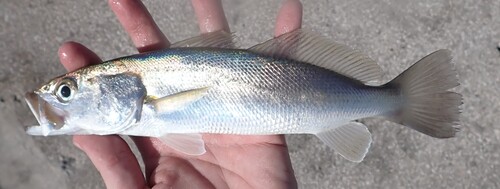
Frequent Companion (c) sisor, some rights reserved (CC BY) · cc-by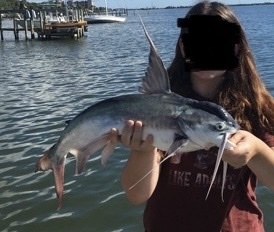
Close Relative (c) Lexi Amico, some rights reserved (CC BY) · cc-by
Help improve the field guideSomething wrong?
Checking your Fauna account…Report a name, category, or profile issue for review.