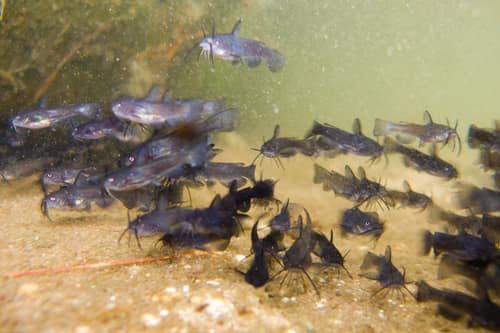
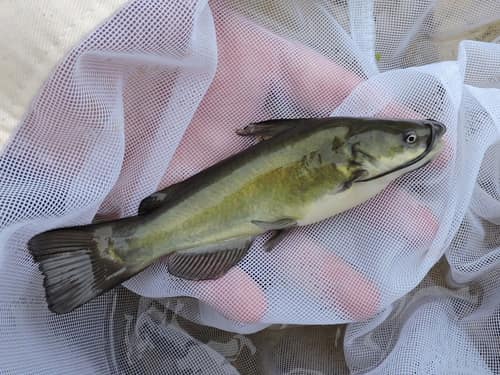
Also known as Channel Cat, Graceful Catfish, Fiddler, Spotted Cat
Channel catfish rely on thousands of taste receptors covering their entire body and whisker-like barbels to track food in dark or murky waters. Males build hidden nests beneath logs, rocks, or undercut banks, fiercely guarding the eggs and swimming fry until they disperse. Highly adaptable bottom-dwellers, they thrive in diverse aquatic habitats spanning quiet ponds to large, fast-moving rivers.
ThreatsWater pollution, dam construction, habitat degradation
HabitatsRivers, streams, lakes, ponds, reservoirs
Life span15–20 years
Size / weightNot available
Classification
FamilyIctaluridae
SpeciesIctalurus punctatus
Range & activity
Range data is not available yet.
Safe observation
Interaction riskLow
Low
Moderate
High
Very high
Why interaction risk is low
Sharp fin spines can inflict painful punctures; handle carefully behind the pectoral fins.
Why it is dangerous
Sharp, serrated pectoral and dorsal spines coated in mild venom glands can cause severe sharp pain, inflammation, and potential wound infection if skin is punctured.
How to recognize a risky encounter
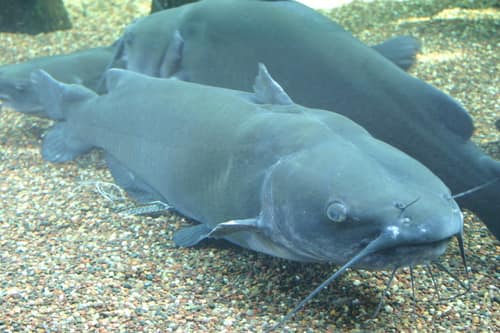
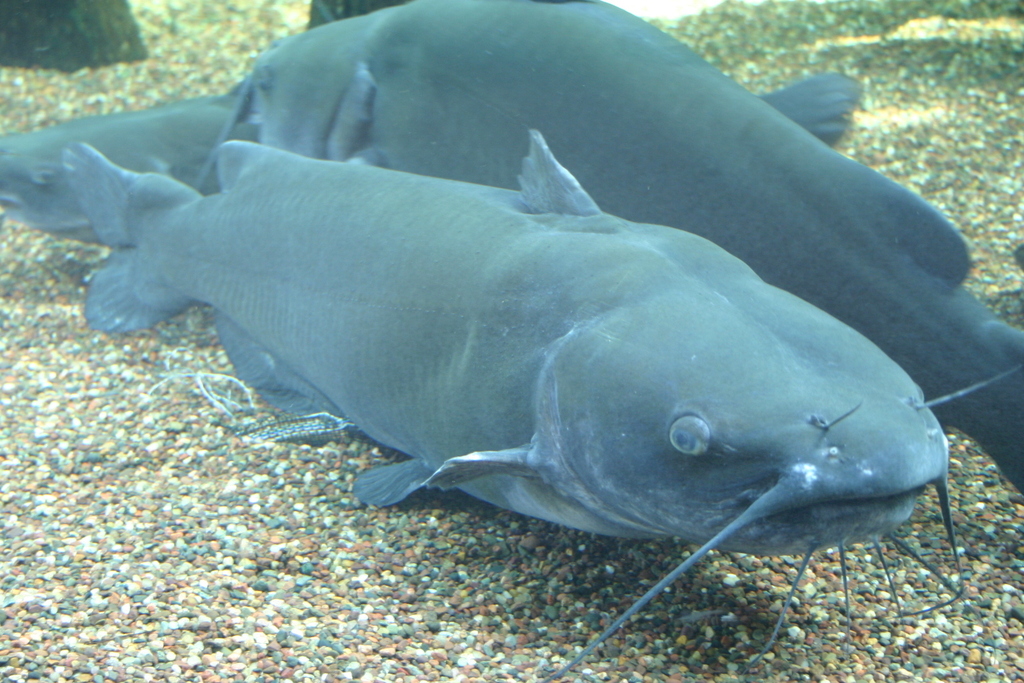
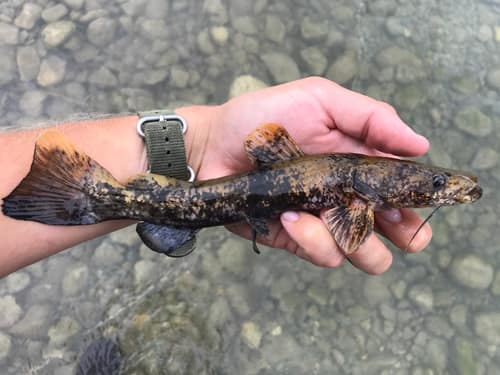
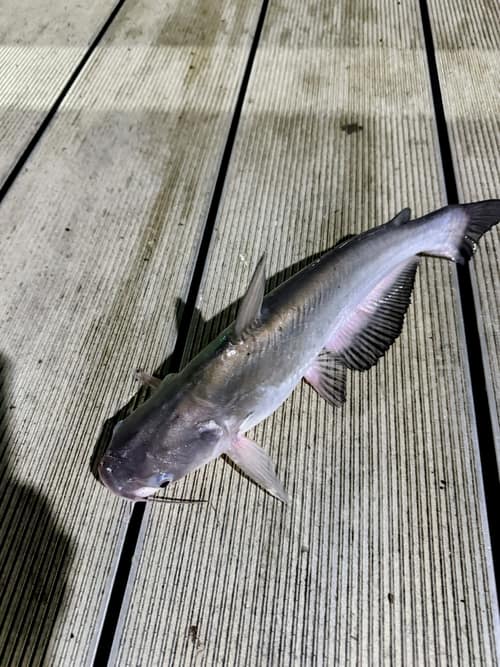
Recognizable by its deeply forked tail, dark spots along a silvery-grey body, and eight whisker-like barbels around the mouth.
What to do
Firmly hold the body behind the pectoral spines or use fish grippers to ensure complete control without contacting spine tips.
Responsible observation
Handling Technique: Slide your hand behind the pectoral spines to avoid painful punctures or scratches.
Habitat Spotting: Look for deep pools, logjams, and undercut banks in warm, slow-moving fresh waters.
Catch and Release: Support the body horizontally with both hands before placing the fish back in the water.