
Fish · GBIF taxon 5202520
Channel Catfish
Ictalurus punctatusAlso known as Channel Cat, Graceful Catfish, Fiddler, Spotted Cat
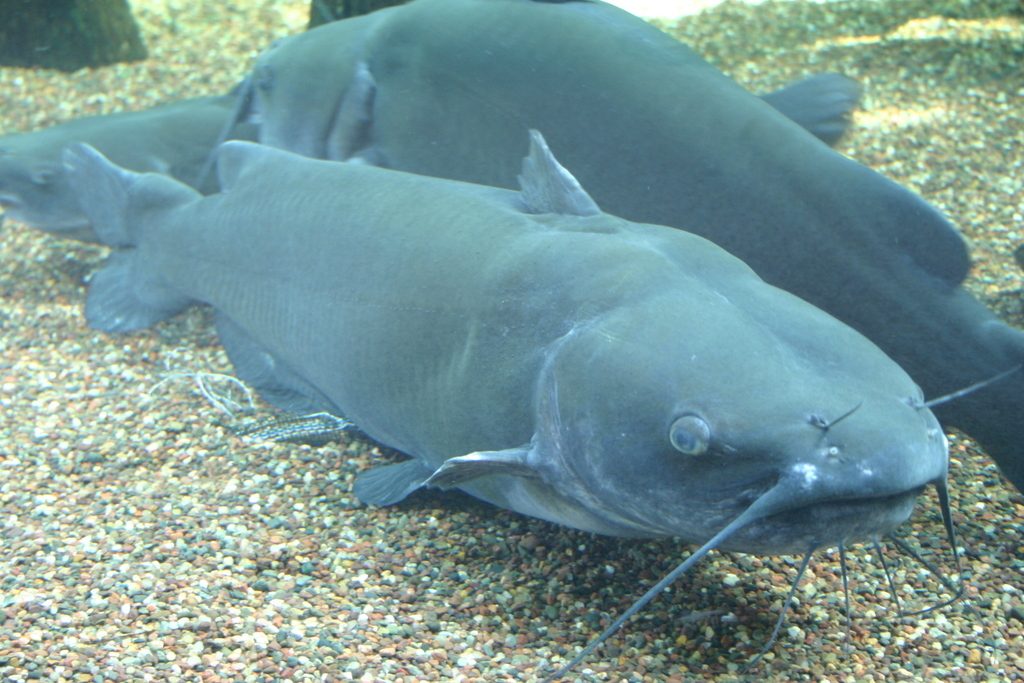
Channel catfish navigate murky river bottoms using sensory barbels that detect chemical cues from prey across long distances. Deeply forked tails and sleek, olive to silvery bodies dotted with dark spots propel them through fast-flowing currents and calm reservoirs alike. Females lay thousands of eggs in hollow logs or bank undercut burrows, where males guard the nest fiercely until fry disperse.
FreshwaterBottom FeederGame Fish
—observations
—countries
—peak records
Least ConcernConservation statusIUCN Red List categoriesLCNTVUENCREWEXLeast ConcernRed List categories, explained →
Diet & prey
- Aquatic Insects
- Crayfish
- Small Fish
Predators
- Largemouth Bass
- Ospreys
- North American River Otters
ThreatsWater pollution, damming, habitat degradation
HabitatsRivers, streams, lakes, reservoirs, ponds
Life span15 to 20 years
Size / weightNot available
Classification
- FamilyIctaluridae
- SpeciesIctalurus punctatus
Range data is not available yet.
Interaction riskLow
- Low
- Moderate
- High
- Very high
- Why interaction risk is low
- Sharp pectoral and dorsal fin spines can cause painful puncture wounds if handled improperly.
- Why it is dangerous
- Dorsal and pectoral fin spines are extremely sharp and lock erect when threatened, easily puncturing skin and introducing bacteria.
- How to recognize a risky encounter
- Look for a deeply forked tail, dark spots on grey or silvery sides, and four pairs of barbels around the mouth.
- What to do
- Grasp firmly behind the head and pectoral spines without pressing against the sharp tips, or use a wide landing net.
Responsible observation
- Grip safely: Slide your hand behind the pectoral spines with your palm supporting the belly to avoid puncture injuries.
- Night observation: Focus efforts near deep channels, undercut banks, and brush piles during warm summer evenings when feeding activity peaks.
- Chemical scenting: Target them using strong-scented baits, as their highly sensitive taste buds cover their entire body.

Competitor Close Relative Close Relative
Help improve the field guideSomething wrong?
Checking your Fauna account…Report a name, category, or profile issue for review.