
Fish
Common Pleco
Hypostomus plecostomusAlso known as Suckermouth Catfish, Spotted Pleco, Plecostomus
Encased in interlocking bony scutes and anchored by an underside sucker mouth, common plecos spend daylight hours adhering to submerged logs, rocks, and mud banks while grazing on biofilm, algae, and detritus. They possess a vascularized stomach that functions as an accessory breathing organ, allowing them to gulp atmospheric air and endure oxygen-depleted pools during low-water seasons. In their native river systems, breeding pairs dig deep tunnels into clay riverbanks to safeguard their egg clutches.
FreshwaterArmoredBottom Feeder
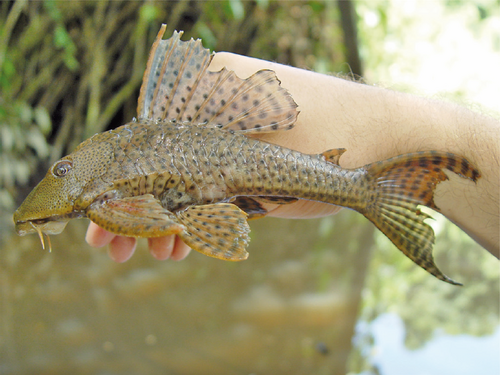
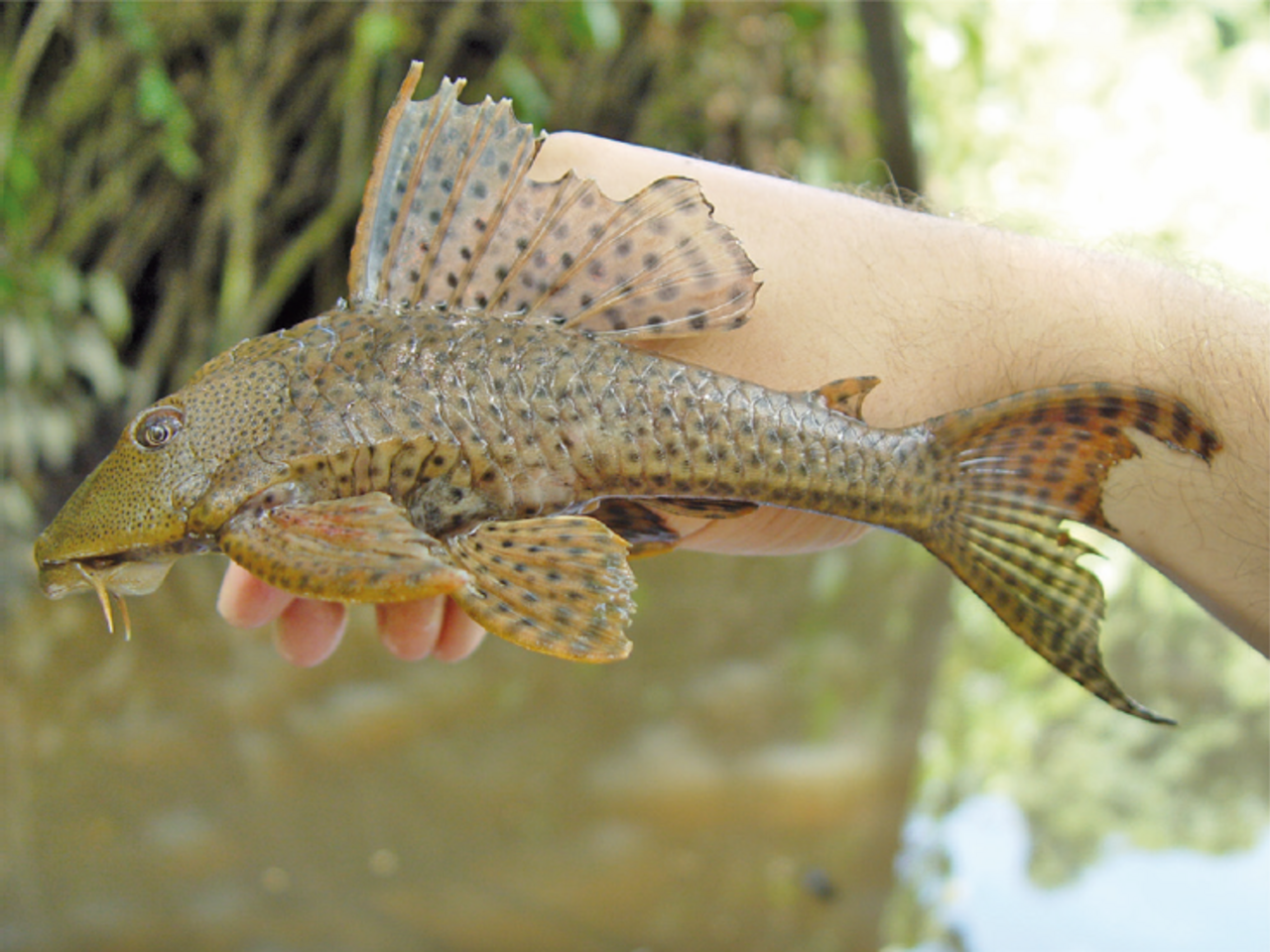
—observations
—countries
—peak records
Not EvaluatedConservation statusIUCN Red List categoriesLCNTVUENCREWEXNot Evaluated — not placed on the risk ladderRed List categories, explained →
Diet & preyPeriphyton and green algae, Aquatic plant detritus, Small benthic invertebrates
Predators
- Spectacled Caiman
- Giant Otter
- Large wading birds
ThreatsRiparian deforestation, river siltation, and agricultural runoff
HabitatsSlow-flowing tropical rivers, murky streams, and floodplain lagoons
Life span7–15 years
Classification
- OrderSiluriformes
- FamilyLoricariidae
- GenusHypostomus
- SpeciesHypostomus plecostomus
Range data is not available yet.
Interaction riskLow
- Low
- Moderate
- High
- Very high
- Why interaction risk is low
- Safe to observe at a normal distance.
Responsible observation
- Spotting Sites: Search along submerged timber and rocky surfaces where grazing individuals adhere tightly against the current.
- Handling Precaution: If netting an individual, take care around the pectoral and dorsal fin spines, which lock rigid when stressed.
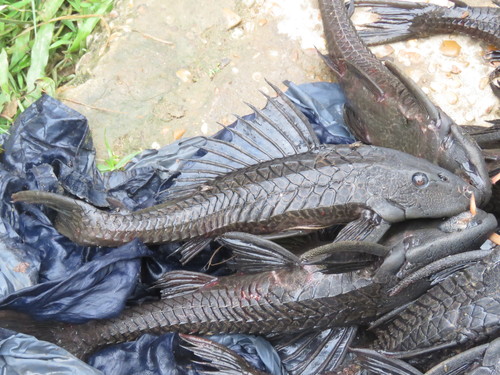
Look-alike (c) Juan Carlos Caicedo Hernández, some rights reserved (CC BY), uploaded by Juan Carlos Caicedo Hernández · cc-by
Predator (c) gailhampshire, some rights reserved (CC BY) · cc-by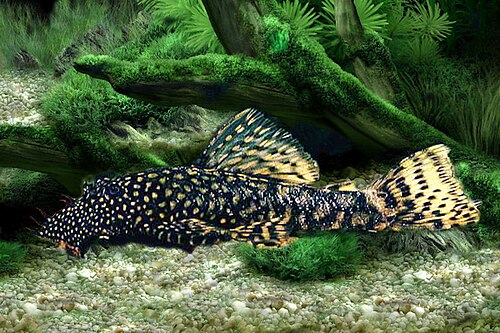
Same Family The Last 99 / CC BY-SA 3.0 de · cc-by-sa Image unavailable
Close Relative
Help improve the field guideSomething wrong?
Checking your Fauna account…Report a name, category, or profile issue for review.