
Species · GBIF taxon 5201557
Northern Searobin
Prionotus carolinusAlso known as Northern Sea Robin, Common Sea Robin, Gurnard
Northern searobins walk along the ocean floor using three specialized, finger-like lower pectoral fin rays that probe the sediment for buried food. Large, fan-like pectoral fins open wide when threatened, displaying subtle iridescent patterns to startle predators. When disturbed or brought out of the water, they vibrate their swim bladders to create a loud, distinctive croaking grunt.
MarineBottom DwellerCoastal
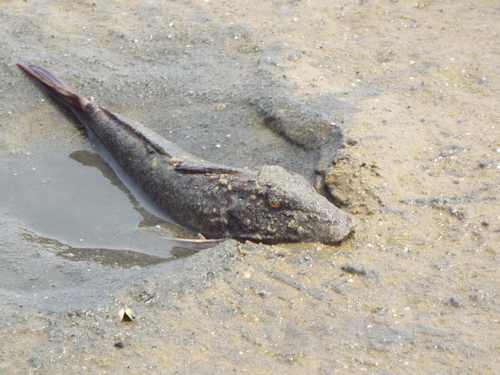
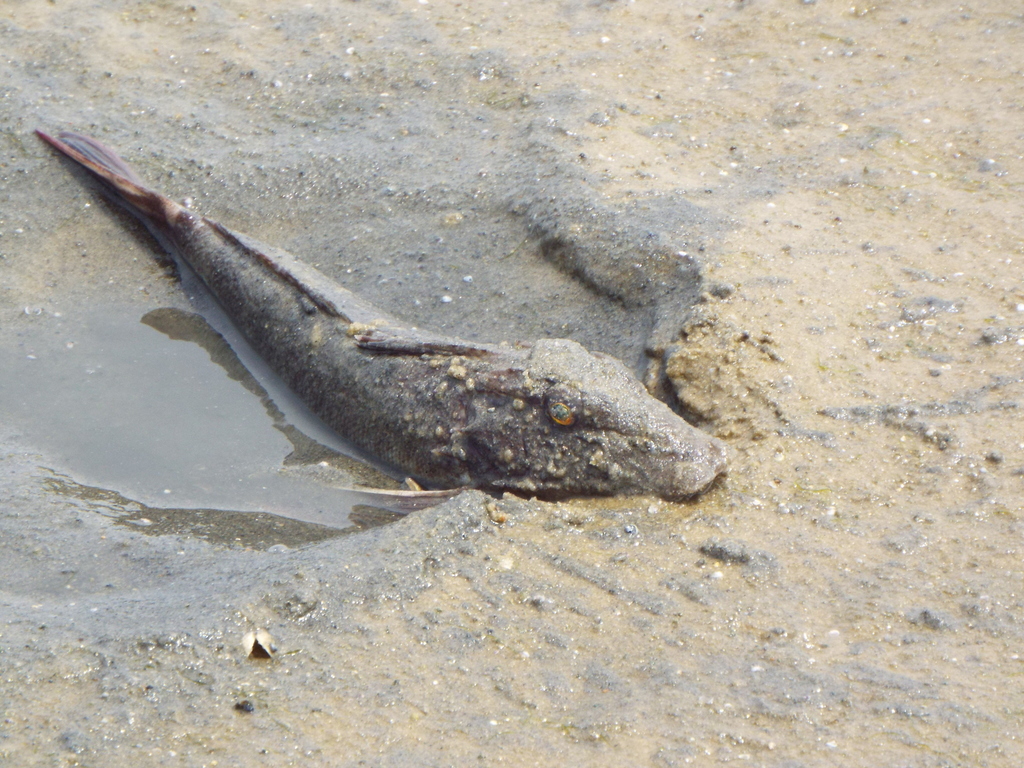
—observations
—countries
—peak records
Least ConcernConservation statusIUCN Red List categoriesLCNTVUENCREWEXLeast ConcernRed List categories, explained →
Diet & prey
- Crabs
- Shrimp
- Polychaete Worms
Predators
- Striped Bass
- Summer Flounder
- Sandbar Shark
ThreatsCommercial trawling bycatch and coastal water pollution
HabitatsShallow coastal waters, estuaries, bays, and sandy or muddy sea floors
Life span8–11 years
Size / weightNot available
Classification
- OrderScorpaeniformes
- FamilyTriglidae
- GenusPrionotus
- SpeciesPrionotus carolinus
Range data is not available yet.
Interaction riskLow
- Low
- Moderate
- High
- Very high
- Why interaction risk is low
- Sharp opercular spines and spiny fin rays can cause painful punctures if handled carelessly.
- Why it is dangerous
- Equipped with sharp, rigid spines on the gill covers and dorsal fin that easily puncture bare skin if compressed.
- How to recognize a risky encounter
- Recognized by large wing-like pectoral fins, a heavy bony head armor, and finger-like leg rays beneath the gills.
- What to do
- Grasp firmly behind the head avoiding the gill covers, or use a unhooking tool to avoid punctures.
Responsible observation
- Observe Benthic Movements: Look closely near sandy drop-offs and estuaries to see them walking on three modified fin rays.
- Listen for Sounds: Listen for low grunting croaks produced by vibrating their swim bladder when caught or startled.
- Handle with Care: Use thick gloves or a lip gripper to avoid sharp gill cover spines when unhooking.
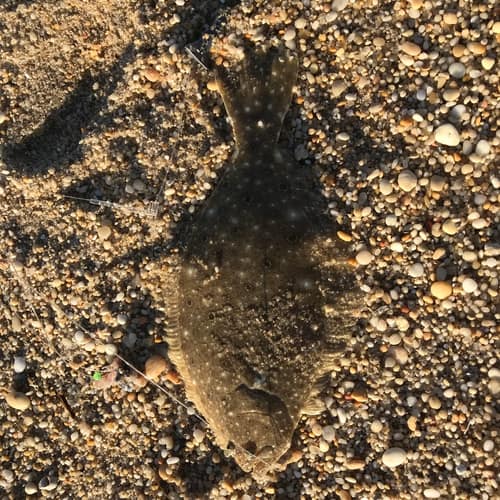
Predator (c) Michael Pirrello, some rights reserved (CC BY) · cc-by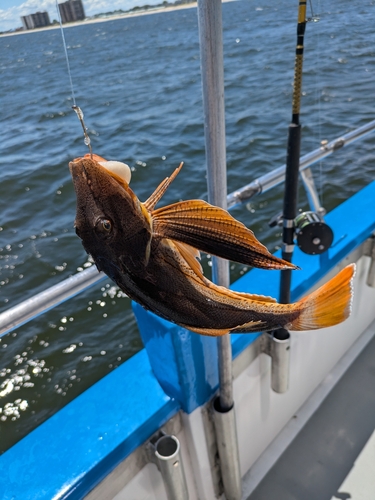
Close Relative no rights reserved · cc0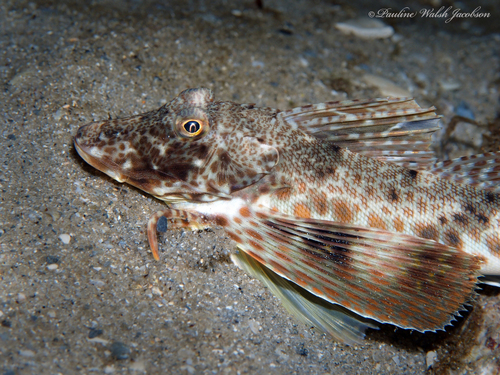
Close Relative (c) Pauline Walsh Jacobson, some rights reserved (CC BY) · cc-by
Help improve the field guideSomething wrong?
Checking your Fauna account…Report a name, category, or profile issue for review.