
Invertebrate · GBIF taxon 5193700
Naked Sea Butterfly
Clione limacinaAlso known as Sea Angel, Common Clione
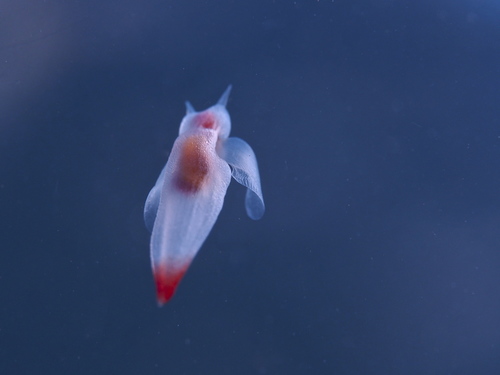
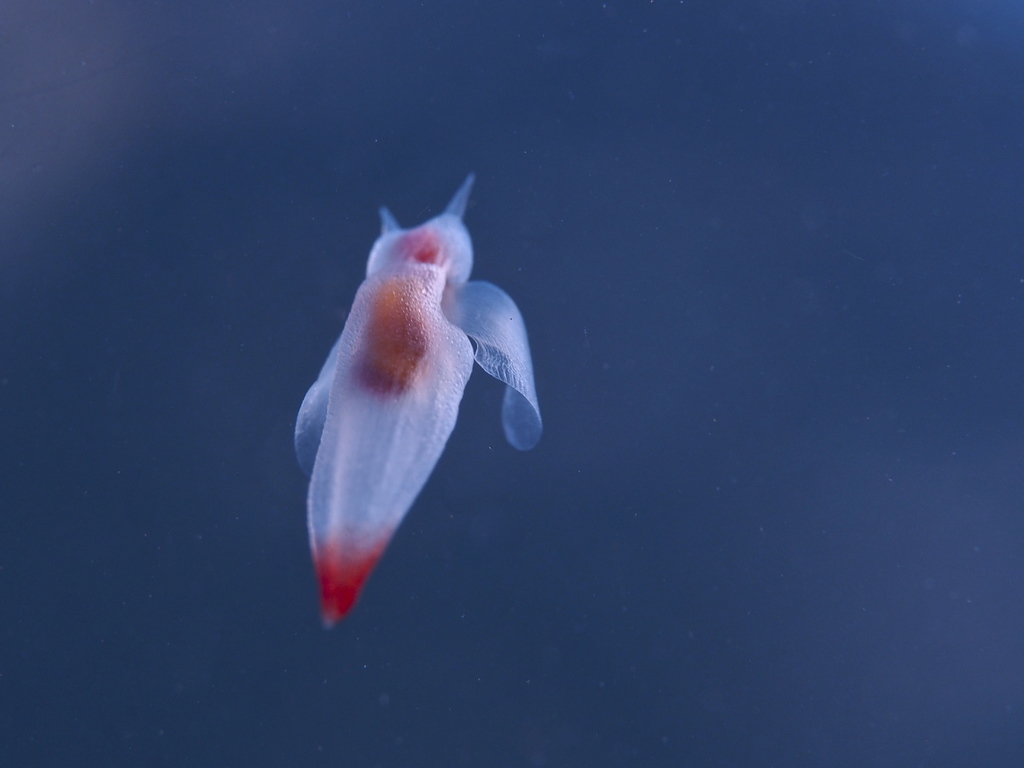
Naked sea butterflies flap pairs of wing-like parapodia to propel their translucent, gelatinous bodies gracefully through cold arctic and subarctic currents. Beneath their serene exterior lies an aggressive predator equipped with hidden buccal cones that shoot out to grasp shelled sea butterflies. Once locked onto a victim, specialized chitinous hooks pull the prey directly out of its shell into the sea angel's mouth.
TranslucentPelagicArctic
 1 / 7
1 / 7—observations
—countries
—peak records
Not EvaluatedConservation statusIUCN Red List categoriesLCNTVUENCREWEXNot Evaluated — not placed on the risk ladderRed List categories, explained →
Diet & prey
- Shelled Sea Butterflies
Predators
- Baleen Whales
- Seabirds
- Salmon
ThreatsOcean acidification, ocean warming, loss of prey populations
HabitatsOpen ocean, polar and subpolar marine waters
Life span1–2 years
Size / weightNot available
Classification
- OrderPteropoda
- FamilyClionidae
- GenusClione
- SpeciesClione limacina
Range data is not available yet.
Interaction riskLow
- Low
- Moderate
- High
- Very high
- Why interaction risk is low
- Safe to observe at a normal distance.
- What to notice
- Look for small, completely shell-less, transparent sea snails floating in Arctic and North Atlantic waters with glowing orange internal organs.
- Support conservation
- Observe without touching, as their gelatinous bodies are extremely fragile and sensitive to slight heat changes.
Responsible observation
- Submersible Observation: Best viewed in cold polar marine environments or specialized cold-water public aquariums.
- Lighting Precautions: Use soft, diffuse light when photographing to avoid harming translucent, delicate tissues.
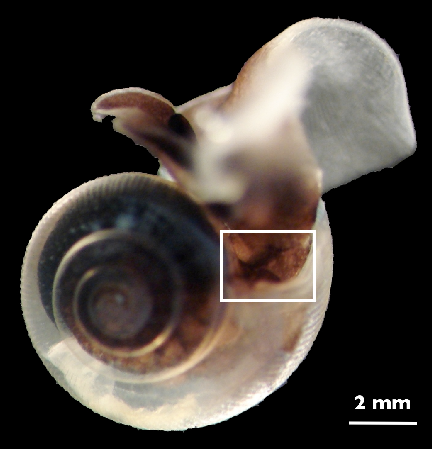
Primary Prey (c) S. Comeau, G. Gorsky, R. Jeffree, J.-L. Teyssié & J.-P. Gattuso, some rights reserved (CC BY) · cc-by Image unavailable
Close Relative
Help improve the field guideSomething wrong?
Checking your Fauna account…Report a name, category, or profile issue for review.