
Invertebrate · GBIF taxon 5193449
Atlantic Dogwhelk
Nucella lapillusAlso known as Dog Whelk, Atlantic Dogwinkle, Northern Dog Whelk
Atlantic dogwhelks are specialized intertidal predators that drill through the calcareous shells of barnacles and mussels using a tooth-lined radula lubricated with acid-secreting enzymes. They show striking shell variation, growing thick, squatter shells on wave-pounded headlands and thinner, taller shells in sheltered bays. During low tide, they congregate in damp rocky crevices and under dense kelp canopies to prevent desiccation and avoid foraging shorebirds.
CarnivorousIntertidalMollusk
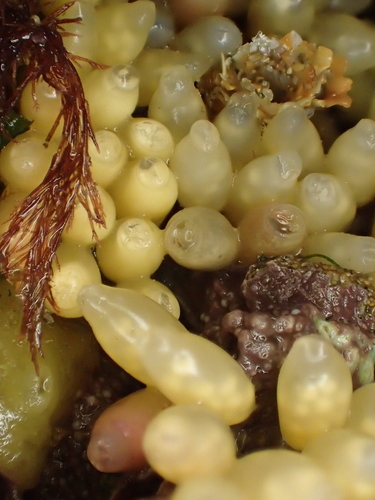
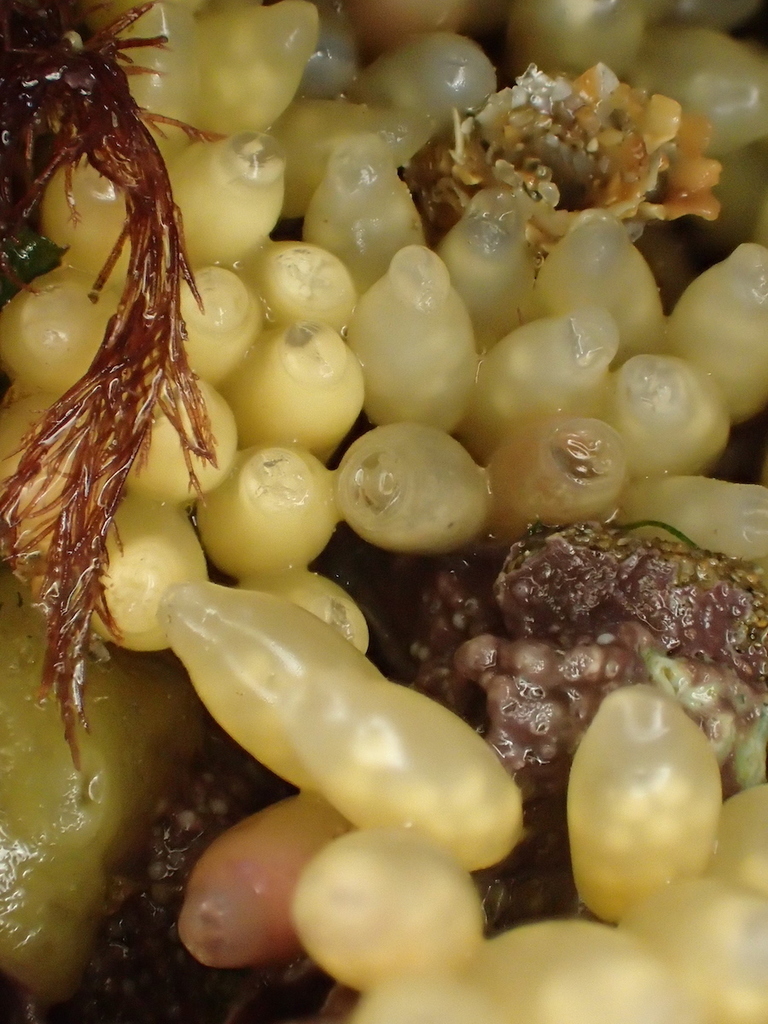 1 / 7
1 / 7—observations
—countries
—peak records
Not EvaluatedConservation statusIUCN Red List categoriesLCNTVUENCREWEXNot Evaluated — not placed on the risk ladderRed List categories, explained →
Diet & prey
- Acorn Barnacle
- Blue Mussel
- Common Periwinkle
Predators
- European Green Crab
- Herring Gull
- Common Eider
ThreatsOrganotin antifouling pollution, ocean acidification, and shoreline development
HabitatsRocky intertidal shorelines, tide pools, and sheltered rocky bays
Life span5–10 years
Size / weightNot available
Classification
- OrderNeogastropoda
- FamilyMuricidae
- GenusNucella
- SpeciesNucella lapillus
Range data is not available yet.
Interaction riskLow
- Low
- Moderate
- High
- Very high
- Why interaction risk is low
- Safe to observe at a normal distance.
Responsible observation
- Feeding sign: Look for neat, beveled drill holes in empty mussel or barnacle shells nearby.
- Low tide searching: Check moist, shaded crevices and undersides of rockweed where individuals gather.
- Shoreline etiquette: Avoid dislodging them from rocks, as exposure to sun and wind can quickly dehydrate them.
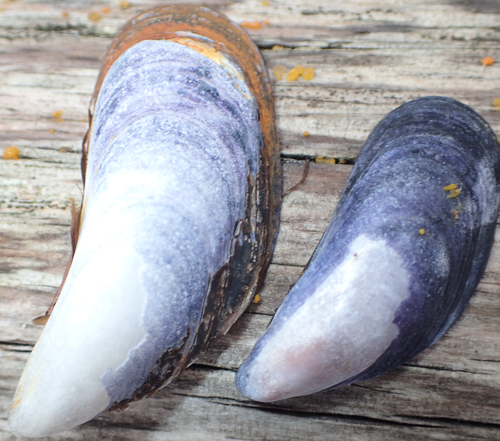
Prey (c) Connie Taylor, some rights reserved (CC BY), uploaded by Connie Taylor · cc-by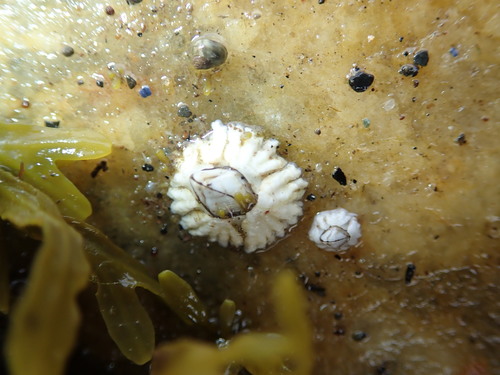
Prey no rights reserved, uploaded by hitchco · cc0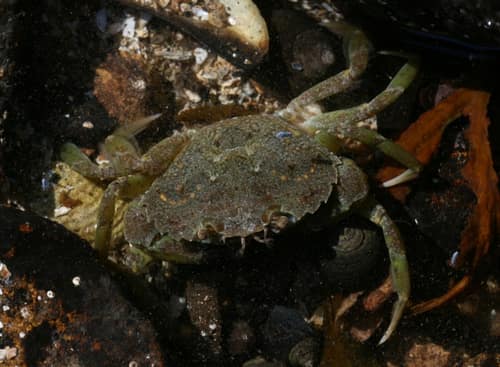
Predator (c) Sandy Rae, some rights reserved (CC BY) · cc-by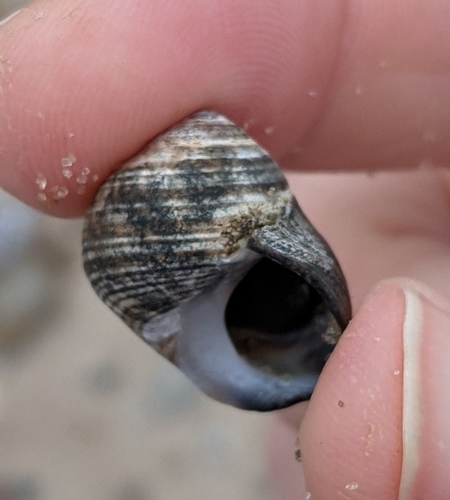
Competitor (c) Jessica Utrup, some rights reserved (CC BY), uploaded by Jessica Utrup · cc-by
Help improve the field guideSomething wrong?
Checking your Fauna account…Report a name, category, or profile issue for review.