
Invertebrate · GBIF taxon 5185632
Blue Button
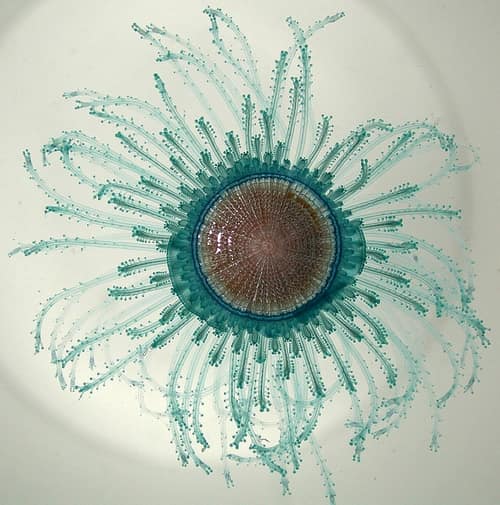
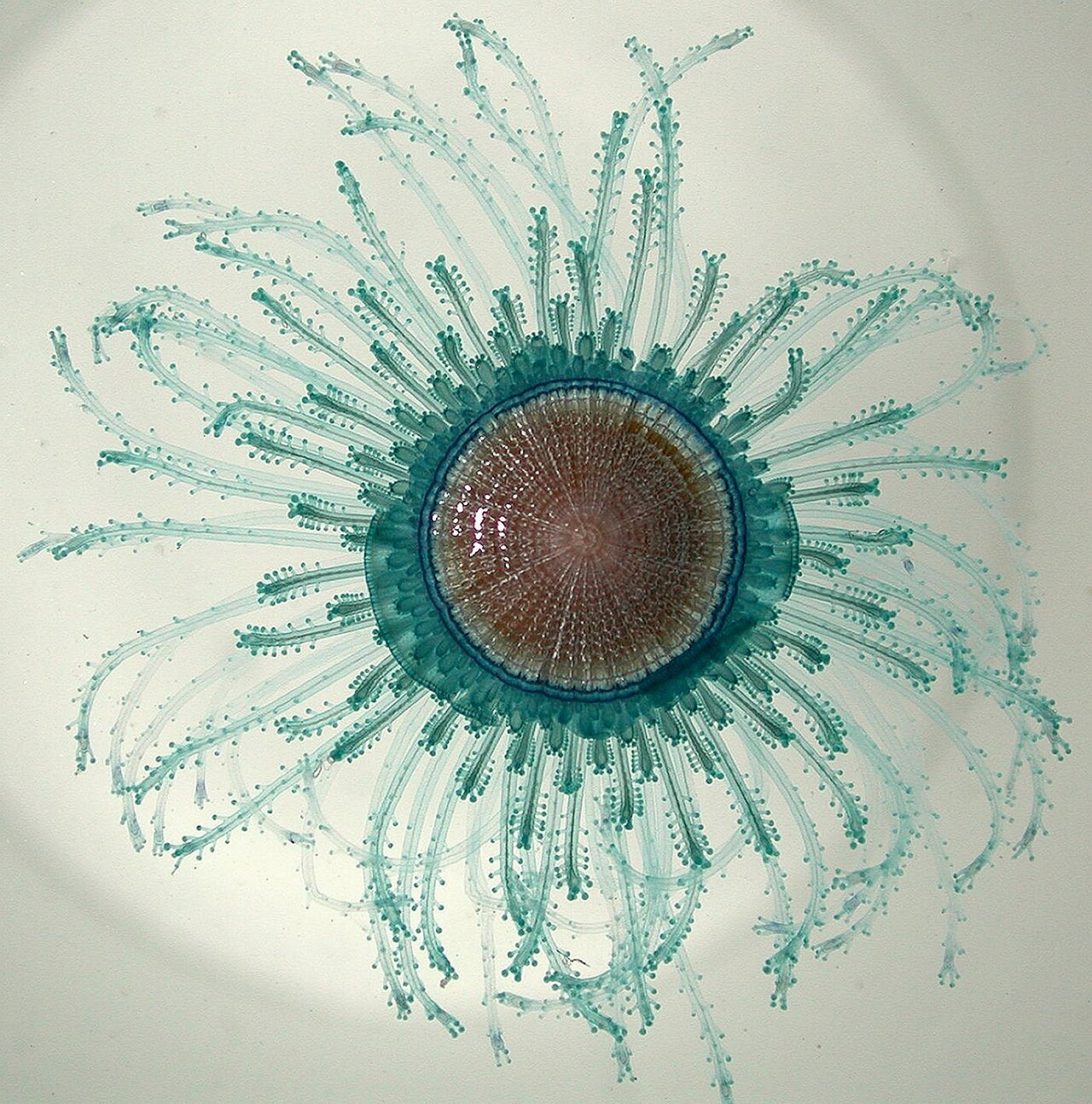
Porpita porpitaAlso known as Blue Button Jelly, Blue Button Hydroid
Blue buttons drift at the boundary of sea and air, propelled entirely by surface winds and oceanic currents. Rather than a solitary jellyfish, each disc represents a specialized colonial organism consisting of a gas-filled chitinous float surrounded by dozens of feeding and reproductive hydroids. Their brilliant azure to turquoise tentacles sting miniature zooplankton, transferring subdued prey straight into a central mouth positioned on the underside of the central float.
MarineColonialSurface Drifter
—observations
—countries
—peak records
Not EvaluatedConservation statusIUCN Red List categoriesLCNTVUENCREWEXNot Evaluated — not placed on the risk ladderRed List categories, explained →
Diet & prey
- Copepods
- Fish Larvae
- Crab Larvae
Predators
- Blue Sea Slug
- Violet Sea Snail
- Ocean Sunfish
ThreatsMarine plastic ingestion, chemical pollutants, and coastal stranding
HabitatsTropical and subtropical pelagic ocean surfaces
Life spanSeveral weeks to a few months
Size / weightNot available
Classification
- OrderAnthoathecata
- FamilyPorpitidae
- GenusPorpita
- SpeciesPorpita porpita
Range data is not available yet.
Interaction riskLow
- Low
- Moderate
- High
- Very high
- Why interaction risk is low
- Nematocysts rarely pierce human skin but can irritate eyes; safe to observe closely without touching.
Responsible observation
- Beachcombing: Scan high-tide drift lines after strong onshore storms to spot freshly stranded discs.
- Hygiene Precaution: Wash hands thoroughly after inspecting specimens, as residual stinging cells easily irritate eyes.
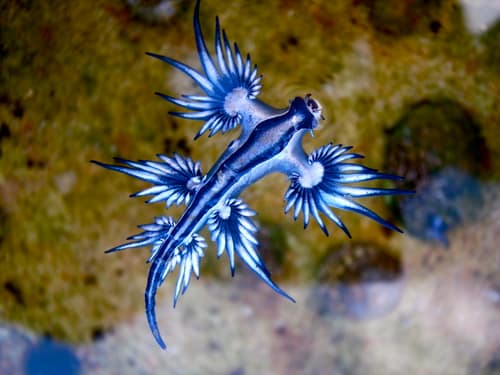
Predator (c) Sylke Rohrlach, some rights reserved (CC BY-SA) · cc-by-sa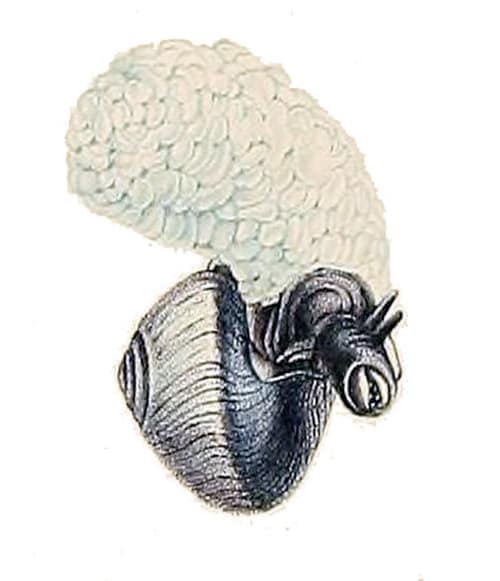
Predator Lesueur / Public domain · cc0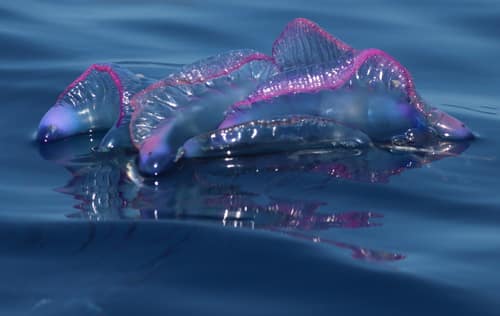
Look-alike (c) Jan Ebr & Ivana Ebrová, some rights reserved (CC BY), uploaded by Jan Ebr & Ivana Ebrová · cc-by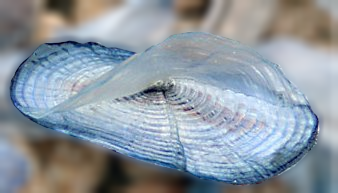
Close Relative (c) yakafaucon, some rights reserved (CC BY-SA) · cc-by-sa
Keep collecting in Fauna
Found in Collections
Species set Pro
Ocean Creatures
Blue Button is found in this collection. Identify it in Fauna to fill this slot and continue your progress.
Unlock to track progress
Help improve the field guideSomething wrong?
Checking your Fauna account…Report a name, category, or profile issue for review.