
Invertebrate
Venus's Flower Basket
Euplectella aspergillumAlso known as Glass Sponge, Venus' Flower-Basket
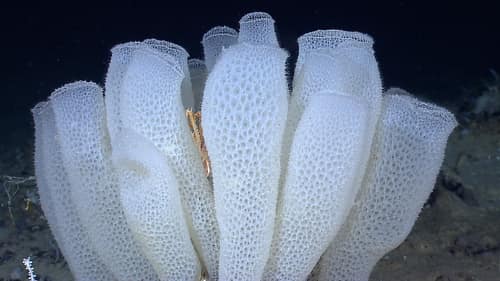
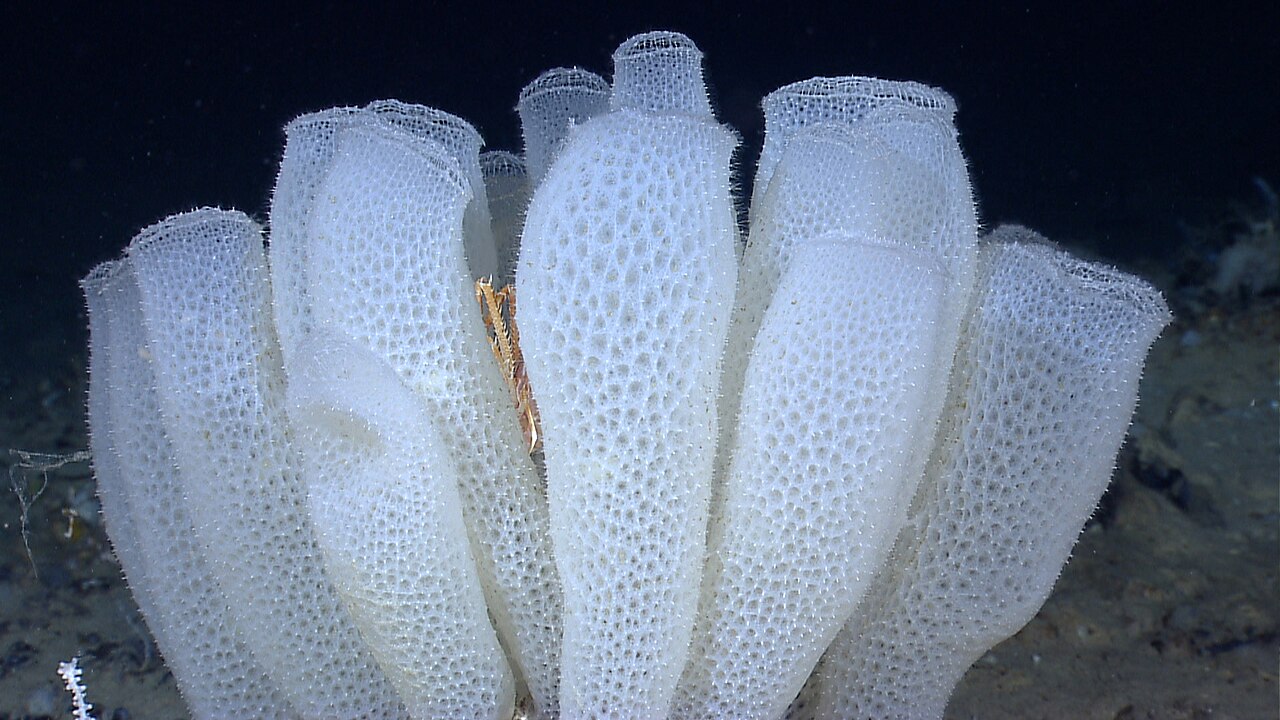
These intricate deep-sea glass sponges construct a delicate, cylindrical skeleton of pure silica that channels deep-ocean currents to filter food. They host a lifelong symbiotic partnership with a pair of small shrimp that enter the lattice as larvae and grow too large to ever escape. This permanent union has made their dried skeletons a traditional symbol of eternal marriage in several East Asian cultures.
Deep-SeaGlass-SpongeSymbiotic
—observations
—countries
—peak records
Not EvaluatedConservation statusIUCN Red List categoriesLCNTVUENCREWEXNot Evaluated — not placed on the risk ladderRed List categories, explained →
Diet & preyMarine snow, Plankton, Bacteria
Predators
- Sea stars
- Nudibranchs
- Deep-sea crabs
ThreatsDeep-sea bottom trawling, ocean acidification, and deep-sea mining
HabitatsDeep-ocean benthic zones, typically anchored to muddy or rocky seafloors below 500 meters
Life spanHundreds of years
Classification
- FamilyEuplectellidae
- SpeciesEuplectella aspergillum
Range data is not available yet.
Interaction riskLow
- Low
- Moderate
- High
- Very high
- Why interaction risk is low
- Safe to observe at a normal distance.
- What to notice
- Recognized by its curved, hollow, grid-like white cylinder anchored to the deep seafloor.
- Support conservation
- Support marine conservation initiatives that restrict bottom trawling in deep-water glass sponge habitats.
Responsible observation
- Submersible Observation: View these delicate structures only via remotely operated vehicles to avoid damaging their fragile glass lattices.
- Skeletal Preservation: Handle dried museum specimens with extreme care, as the glass spicules can splinter and puncture skin.
 Image unavailable
Symbiont Close Relative
Help improve the field guideSomething wrong?
Checking your Fauna account…Report a name, category, or profile issue for review.