
Invertebrate · GBIF taxon 5179407
Giant Desert Centipede
Scolopendra herosAlso known as Texas Redheaded Centipede, Arizona Desert Centipede, Giant Redheaded Centipede, Texas Black-Tailed Centipede
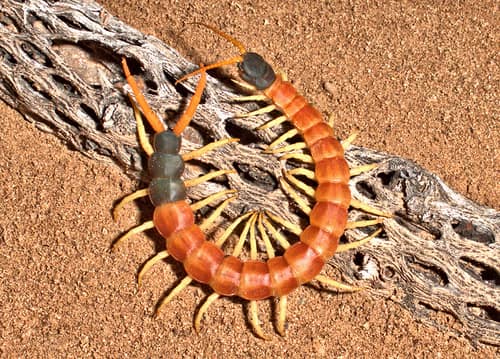
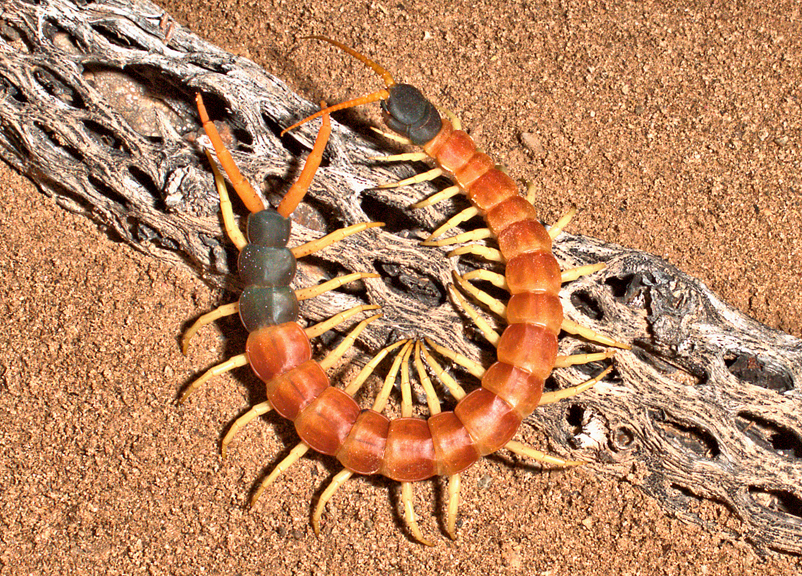
Giant desert centipedes stalk the arid landscapes of North America as apex invertebrate predators, emerging on warm nights to ambush prey ranging from beetles to small reptiles. Their warning coloration of a fiery red head, contrasting yellow legs, and dark body alerts potential predators to a potent venom delivered through powerful venom claws called forcipules. Female centipedes guard their clutch of eggs tightly for weeks, coiling around them to protect against fungal infections and predators until they hatch.
VenomousNocturnalDesert
—observations
—countries
—peak records
Not EvaluatedConservation statusIUCN Red List categoriesLCNTVUENCREWEXNot Evaluated — not placed on the risk ladderRed List categories, explained →
Diet & prey
- Lizards
- Insects
- Small Rodents
Predators
- Greater Roadrunner
- Western Screech-Owl
- Ringtail
ThreatsHabitat destruction, urban sprawl, direct human persecution
HabitatsDeserts, arid scrublands, rocky canyons, oak woodlands
Life span5–8 years
Size / weightNot available
Classification
- OrderScolopendromorpha
- FamilyScolopendridae
- GenusScolopendra
- SpeciesScolopendra heros
Range data is not available yet.
Interaction riskVery high
- Low
- Moderate
- High
- Very high
- Why interaction risk is very high
- Delivers a deeply painful venomous bite; observe from a safe distance and never handle with bare hands.
- Why it is dangerous
- Injects venom containing cytolysins and neurotoxins that trigger intense burning pain, localized swelling, skin necrosis, and severe nausea.
- How to recognize a risky encounter
- Identified by a vibrant red head, bright yellow legs, and a dark black body reaching up to 20 cm in length.
- What to do
- Maintain a distance of at least one meter and avoid placing unprotected hands under rocks, fallen timber, or desert debris.
Responsible observation
- Night Searching: Scan desert washes and rocky hillsides after dusk with a flashlight.
- Safety Distance: Maintain a distance of at least one meter as they move rapidly in quick bursts.
- Habitat Respect: Avoid reaching under rocks or logs with bare hands in desert terrain.
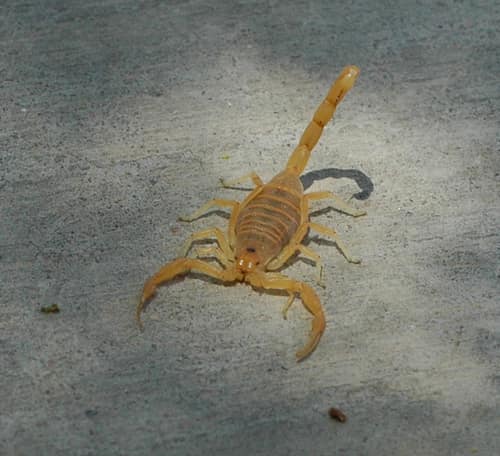
Co-occurring Predator Musides (talk) / CC BY-SA 3.0 · cc-by-sa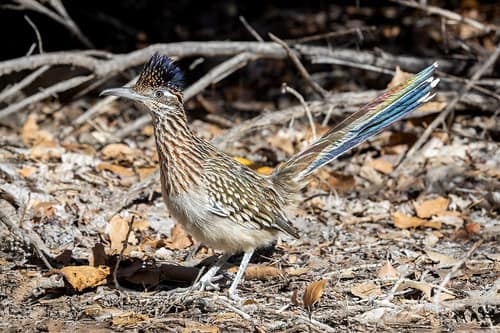
Predator Polinova / CC BY-SA 4.0 · cc-by-sa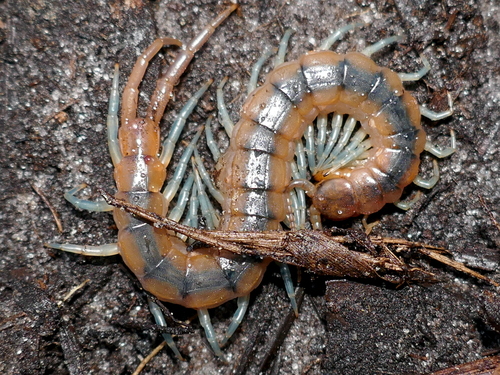
Close Relative (c) Kai Squires, some rights reserved (CC BY), uploaded by Kai Squires · cc-by
Help improve the field guideSomething wrong?
Checking your Fauna account…Report a name, category, or profile issue for review.