
Invertebrate · GBIF taxon 5179376
Caribbean Giant Centipede
Scolopendra alternansAlso known as Haitian Giant Centipede, Florida Keys Centipede
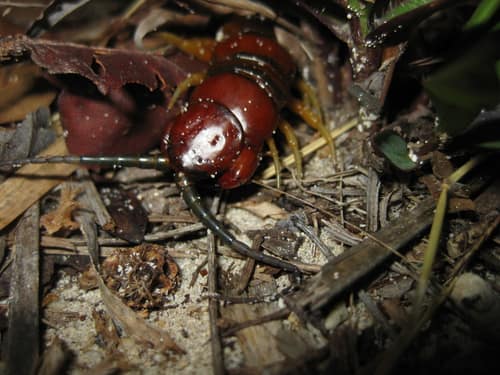
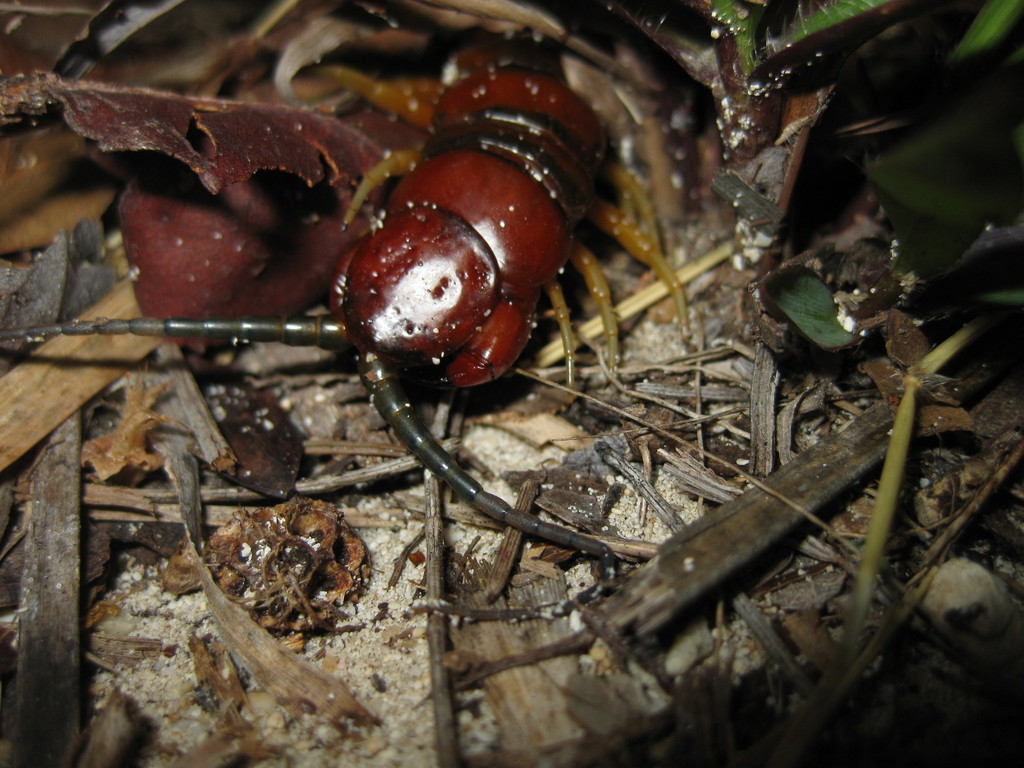
Caribbean giant centipedes are nocturnal invertebrate predators that stalk forest floors and limestone crevices across the West Indies and South Florida. Equipped with powerful modified front legs known as toxicognaths, they overpower insects, small reptiles, and amphibians before dragging them into dark retreats. Their elongated, segmented bodies allow them to navigate tight burrows with remarkable agility while seeking refuge from daylight.
VenomousNocturnalPredatory
 1 / 4
1 / 4—observations
—countries
—peak records
Not EvaluatedConservation statusIUCN Red List categoriesLCNTVUENCREWEXNot Evaluated — not placed on the risk ladderRed List categories, explained →
Diet & prey
- Insects
- Lizards
- Frogs
Predators
- Birds
- Snakes
- Small mammals
ThreatsHabitat loss, coastal development, pesticide application
HabitatsTropical hardwood hammocks, dry forests, coastal scrub, leaf litter
Life span5–10 years
Size / weightNot available
Classification
- OrderScolopendromorpha
- FamilyScolopendridae
- GenusScolopendra
- SpeciesScolopendra alternans
Range data is not available yet.
Interaction riskVery high
- Low
- Moderate
- High
- Very high
- Why interaction risk is very high
- Delivers a painful venomous bite with modified pincer legs; observe safely without touching.
- Why it is dangerous
- Injects venom through strong pincer-like legs that causes severe throbbing pain, local swelling, and skin inflammation.
- How to recognize a risky encounter
- Recognized by its long flattened body with dark brown to reddish segments and bright yellowish-orange legs.
- What to do
- Never handle with bare hands; allow the animal to move off freely if uncovered during field exploration.
- What to notice
- Look for large, dark, multi-segmented centipedes under limestone slabs and decaying wood in hardwood hammocks.
- Support conservation
- Keep microhabitats intact by returning flipped logs and rocks to their exact original positions.
Responsible observation
- Night Viewing: Search moist leaf litter or rotting logs after dusk using a red light to minimize stress.
- Safe Distance: Refrain from turning over surface debris with bare hands where centipedes take shelter.
 Image unavailable
Specialized Predator 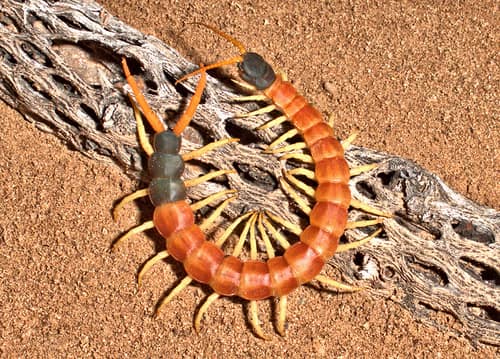
Regional Kin (c) gilaman, some rights reserved (CC BY) · cc-by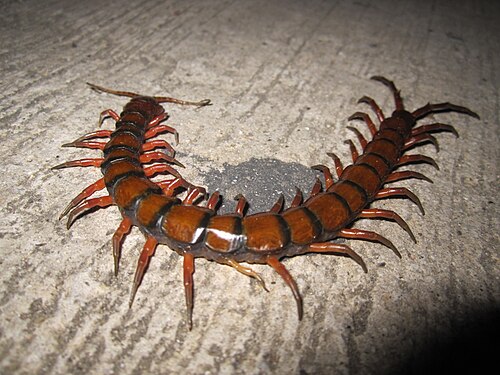
Close Relative Katka Nemčoková / CC BY-SA 3.0 · cc-by-sa
Help improve the field guideSomething wrong?
Checking your Fauna account…Report a name, category, or profile issue for review.