
Invertebrate
European Spider Crab
Maja squinadoAlso known as Mediterranean Spider Crab, Spiny Spider Crab, Spinous Spider Crab
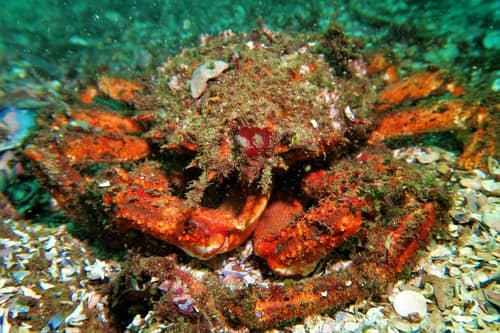
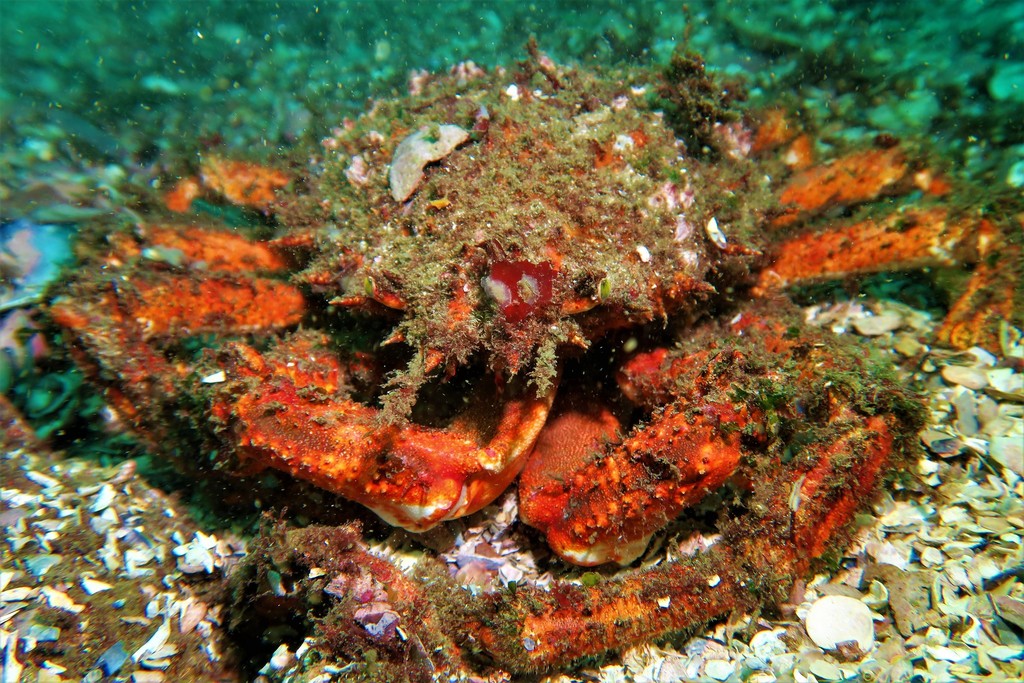
European spider crabs roam Mediterranean coastal reefs and sandy sea bottoms, cloaking their rounded, spine-covered shells with bits of living algae and sessile invertebrates for camouflage. In autumn, adults embark on deep-water migrations to mate, gathering in dense mound aggregations that deter predators during vulnerable molting phases. Their long, spindly walking legs allow them to scale vertical rocky surfaces effortlessly while foraging for shelled invertebrates.
MarineCrustaceanMigratory
—observations
—countries
—peak records
Data DeficientConservation statusIUCN Red List categoriesLCNTVUENCREWEXData Deficient — not placed on the risk ladderRed List categories, explained →
Diet & preyBlue Mussels, Sea Urchins, Brown Algae
Predators
- Common Octopus
- European Conger
- Nursehound
ThreatsOverfishing, destructive bottom trawling, and climate warming
HabitatsRocky reefs, mixed sand and gravel beds, and kelp forests
Life span5–8 years
Classification
- FamilyMajidae
- SpeciesMaja squinado
Range data is not available yet.
Interaction riskLow
- Low
- Moderate
- High
- Very high
- Why interaction risk is low
- Safe to observe at a normal distance underwater.
Responsible observation
- Diver Etiquette: Keep a neutral buoyancy distance to observe natural foraging and masking behavior.
- Handling Precaution: Avoid grasping the underside, as the large front pincers can exert painful pressure.
 Image unavailable
Look-alike 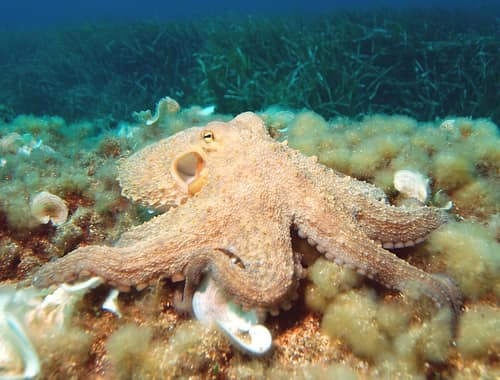
Predator albert kok / CC BY-SA 3.0 · cc-by-sa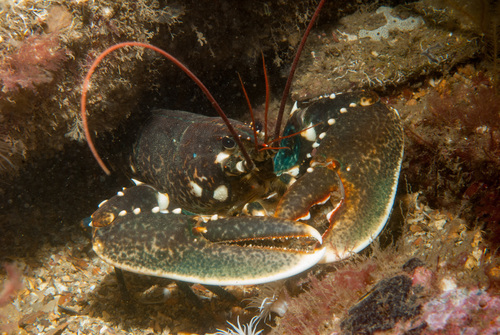
Competitor (c) Bernard Picton, some rights reserved (CC BY), uploaded by Bernard Picton · cc-byClose Relative
Help improve the field guideSomething wrong?
Checking your Fauna account…Report a name, category, or profile issue for review.