
Invertebrate · GBIF taxon 5178599
Hippa testudinaria
Hippa testudinariaAlso known as Turtle Mole Crab
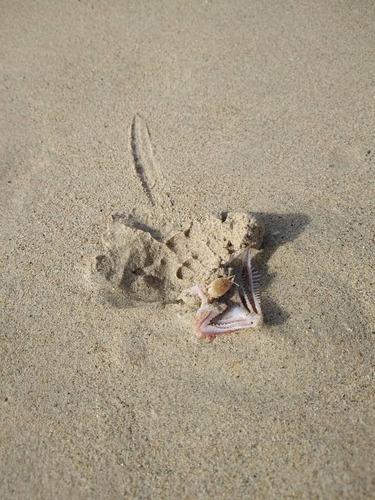
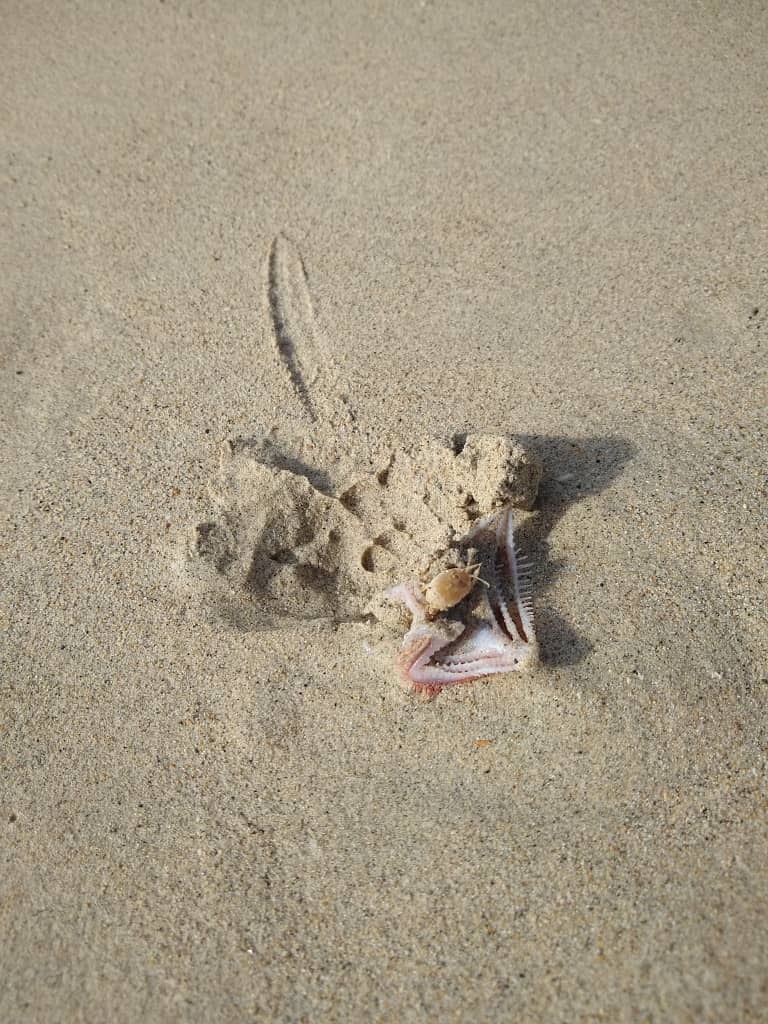
Turtle sand crabs live buried in the wet wave-swept sand of tropical Indo-Pacific beaches. They use specialized paddle-like legs to dig backward rapidly into the sand as incoming tides surge and recede. Feathery antennae extend above the sand surface to strain plankton and organic detritus from the passing ocean waves.
MarineBurrowingCrustacean
—observations
—countries
—peak records
Not EvaluatedConservation statusIUCN Red List categoriesLCNTVUENCREWEXNot Evaluated — not placed on the risk ladderRed List categories, explained →
Diet & prey
- Plankton
- Microscopic detritus
- Organic particles
Predators
- Shorebirds
- Surf fish
- Ghost crabs
ThreatsCoastal development, beach nourishment, and pollution
HabitatsIntertidal sandy beaches and wave swash zones
Life span1–3 years
Classification
- FamilyHippidae
- SpeciesHippa testudinaria
Range data is not available yet.
Interaction riskLow
- Low
- Moderate
- High
- Very high
- Why interaction risk is low
- Safe to observe at a normal distance.
Responsible observation
- Spotting swash zones: Look for small V-shaped ripples in retreating waves where antennae strain water.
- Gentle handling: If temporarily holding one in wet sand, handle softly as it digs backward.
- Observing feeding: Watch wet sand immediately after a wave recedes to see antennae filter food.
 Image unavailable
Burrowing Co-Inhabitant 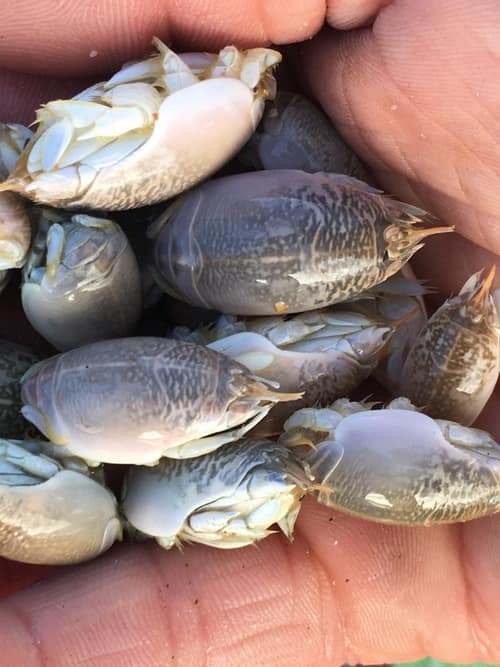
Family Relative (c) W. Terry Hunefeld, some rights reserved (CC BY), uploaded by W. Terry Hunefeld · cc-byClose Relative
Help improve the field guideSomething wrong?
Checking your Fauna account…Report a name, category, or profile issue for review.