
Invertebrate
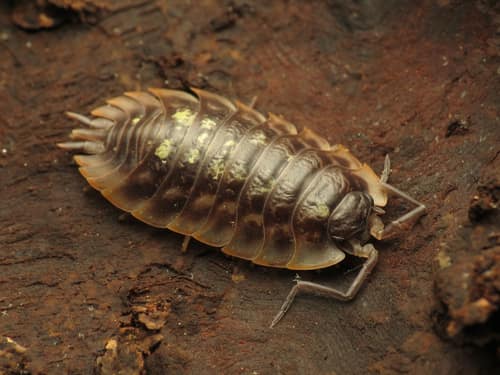
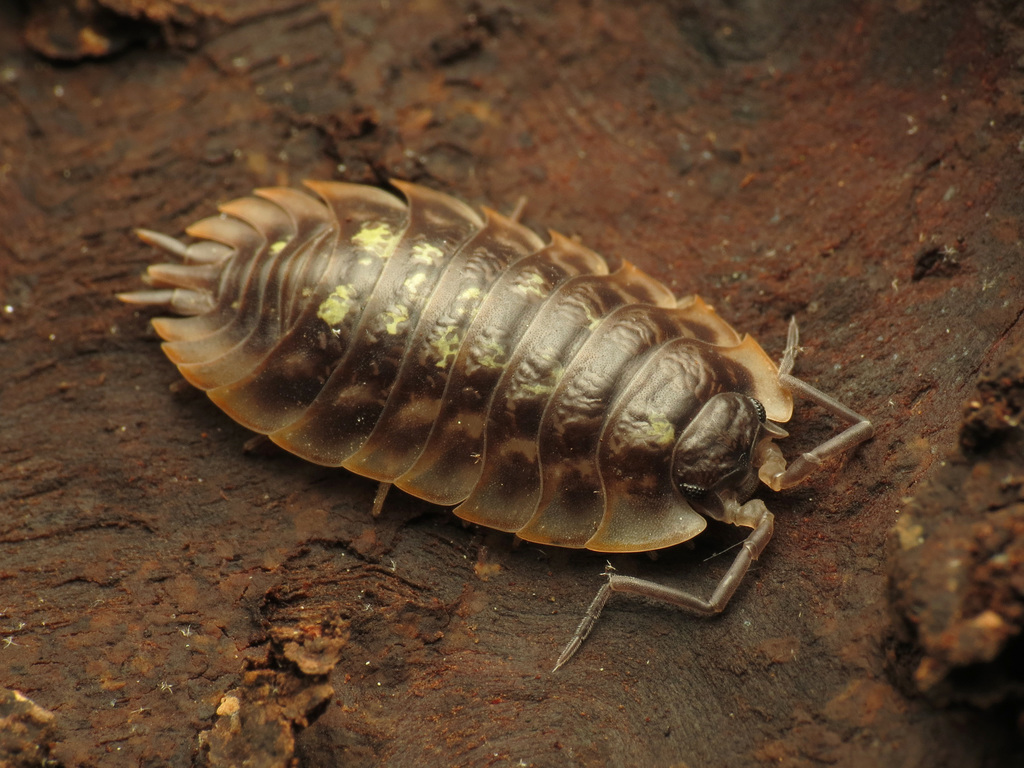
Common Shiny Woodlouse
Oniscus asellusAlso known as Common Woodlouse, Shiny Woodlouse
Common shiny woodlice thrive in cool, humid microclimates where they graze quietly under decaying logs, stones, and garden compost. Lacking a waterproof waxy cuticle, they lose water rapidly in dry air and rely on nocturnal habits and aggregation behaviors to conserve vital moisture. Females carry developing young in a fluid-filled brood pouch called a marsupium until the miniature juveniles are ready to disperse.
DetritivoreNocturnalCrustacean
—observations
—countries
—peak records
Not EvaluatedConservation statusIUCN Red List categoriesLCNTVUENCREWEXNot Evaluated — not placed on the risk ladderRed List categories, explained →
Diet & preyDecaying Wood, Fallen Leaves, Fungi
Predators
- Woodlouse Spider
- Centipedes
- Ground Beetles
ThreatsSevere drought, habitat clearance, and heavy pesticide use
HabitatsDeciduous woodlands, gardens, rock piles, compost heaps, and damp basements
Life span2–4 years
Classification
- OrderIsopoda
- FamilyOniscidae
- GenusOniscus
- SpeciesOniscus asellus
Range data is not available yet.
Interaction riskLow
- Low
- Moderate
- High
- Very high
- Why interaction risk is low
- Safe to observe at a normal distance.
Responsible observation
- Locating: Look under damp logs, decaying bark, garden planters, and stepping stones in shaded areas.
- Handling: Let them crawl gently onto an open hand rather than pinching their fragile carapace.
- Habitat Care: Carefully replace overturned logs or rocks to keep the sheltered microclimate moist.
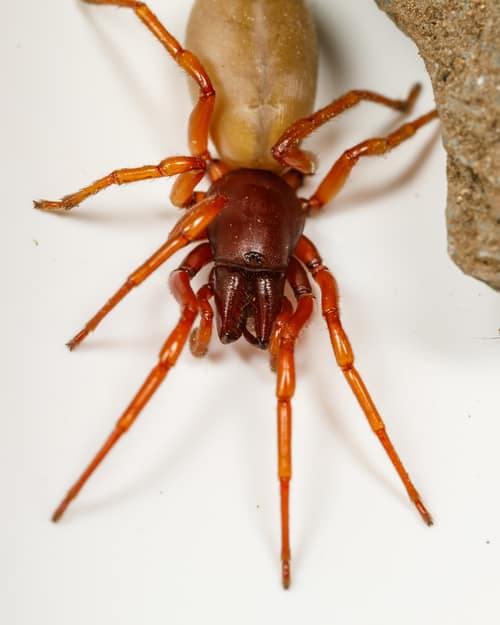
Predator (c) Meghan Cassidy, some rights reserved (CC BY-SA), uploaded by Meghan Cassidy · cc-by-sa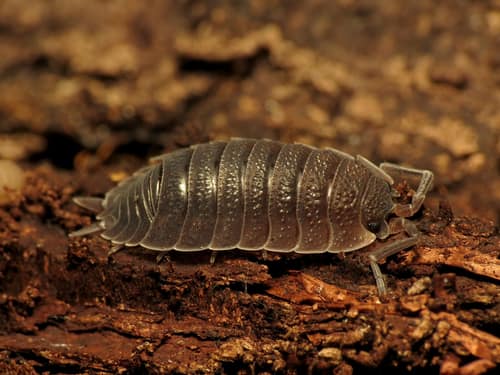
Competitor (c) Katja Schulz, some rights reserved (CC BY) · cc-by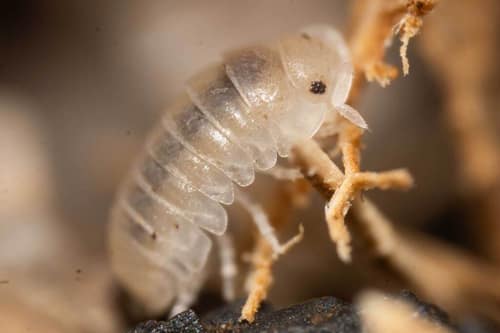
Neighbor (c) Thomas Dalley, some rights reserved (CC BY), uploaded by Thomas Dalley · cc-by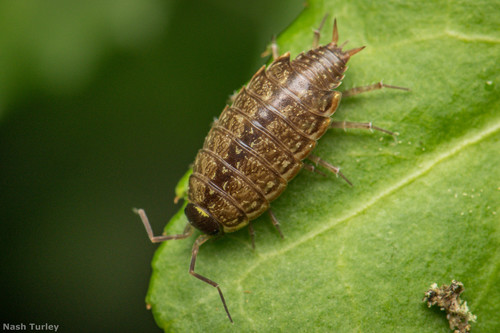
Neighbor (c) Nash Turley, some rights reserved (CC BY), uploaded by Nash Turley · cc-by
Help improve the field guideSomething wrong?
Checking your Fauna account…Report a name, category, or profile issue for review.