
Arachnid
Tropical Orbweaver
Eriophora ravillaAlso known as Tropical Orb Weaver
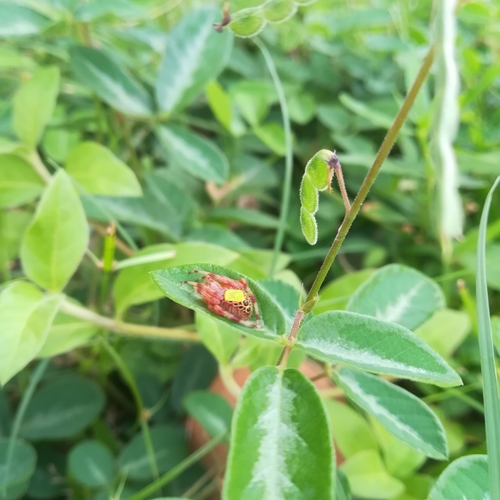
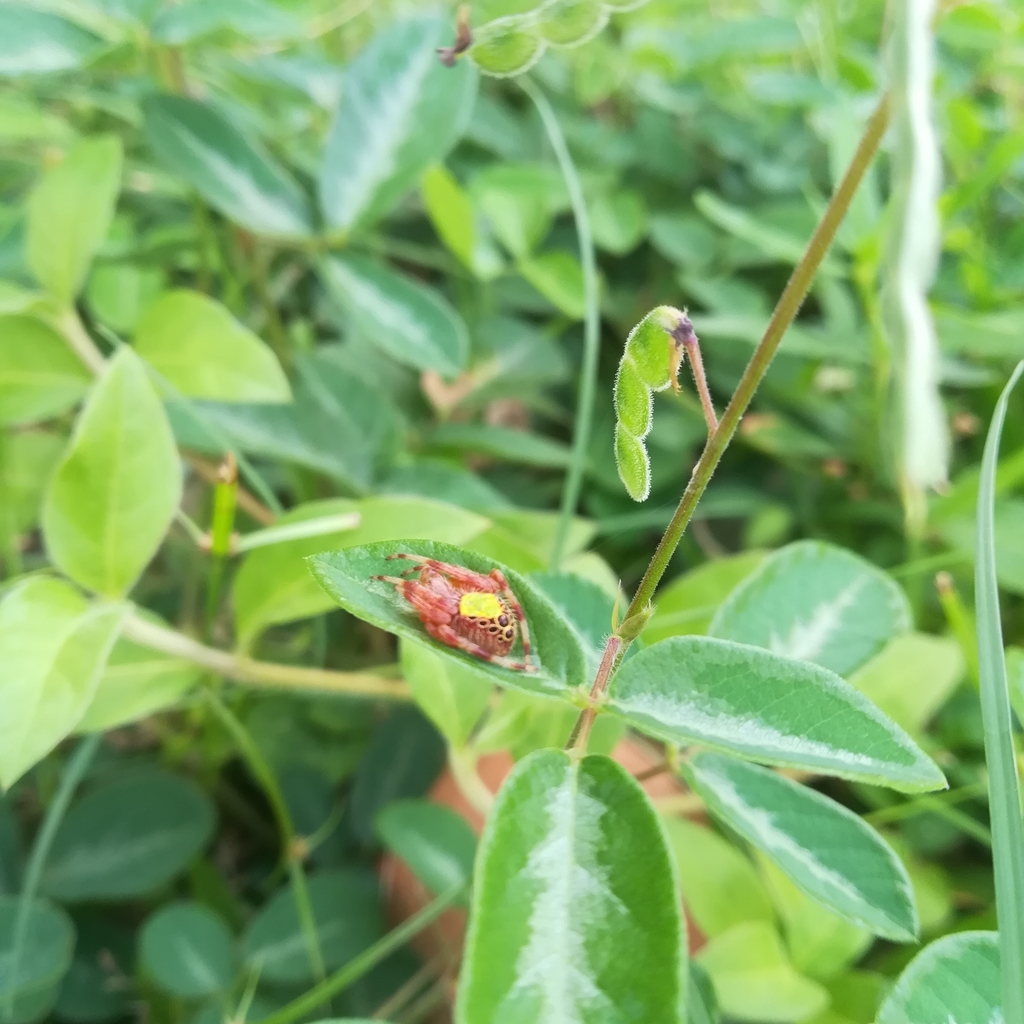
Tropical orbweavers exhibit astonishing color polymorphism, ranging from plain cream or mottled brown to striking forms with a bright yellow or red dorsal stripe. Primarily nocturnal, females construct large, sticky orb webs at dusk between trees or shrubs to snag flying insects, then consume the silk before sunrise. During daylight hours, they tuck their legs close and conceal themselves under bark crevices, foliage, or architectural eaves.
NocturnalPolymorphicWeb Builder
—observations
—countries
—peak records
Not EvaluatedConservation statusIUCN Red List categoriesLCNTVUENCREWEXNot Evaluated — not placed on the risk ladderRed List categories, explained →
Diet & preyMoths, Beetles, Flies
Predators
- Mud dauber wasps
- Insectivorous birds
- Anole lizards
ThreatsHabitat loss and widespread outdoor pesticide application
HabitatsSubtropical woodlands, citrus groves, coastal hammocks, and gardens
Life span1–2 years
Classification
- OrderAraneae
- FamilyAraneidae
- GenusEriophora
- SpeciesEriophora ravilla
Range data is not available yet.
Interaction riskLow
- Low
- Moderate
- High
- Very high
- Why interaction risk is low
- Docile and harmless to humans; bites are rare, mild, and trivial.
Responsible observation
- Flashlight Etiquette: Search foliage along path edges after dark, aiming lights carefully to reveal web hubs.
- Web Preservation: Avoid disturbing or clearing structural anchor lines, which cost significant energy to produce.
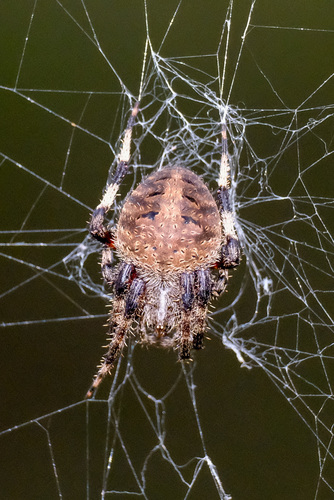
Ecological Neighbor no rights reserved, uploaded by Mirko Schoenitz · cc0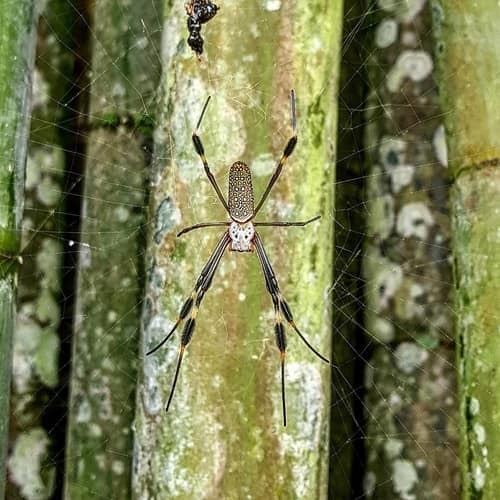
Habitat Competitor (c) Nora Jácome, some rights reserved (CC BY) · cc-by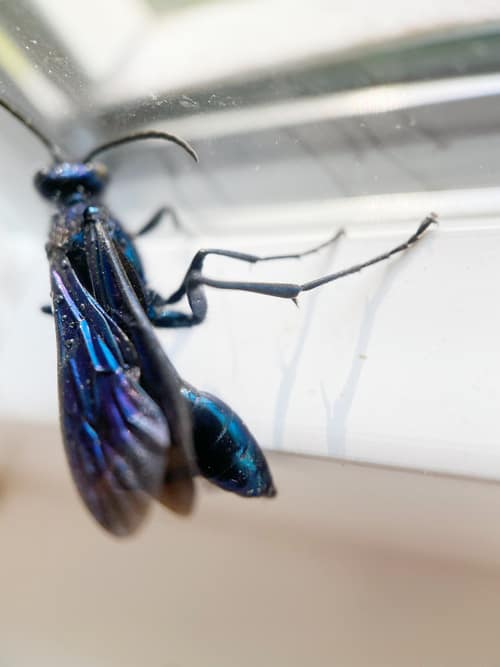
Predator (c) Nathan Odgers, some rights reserved (CC BY) · cc-by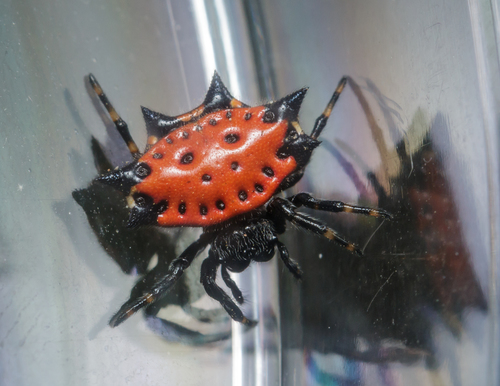
Same Family (c) Meghan Cassidy, some rights reserved (CC BY-SA), uploaded by Meghan Cassidy · cc-by-sa
Help improve the field guideSomething wrong?
Checking your Fauna account…Report a name, category, or profile issue for review.