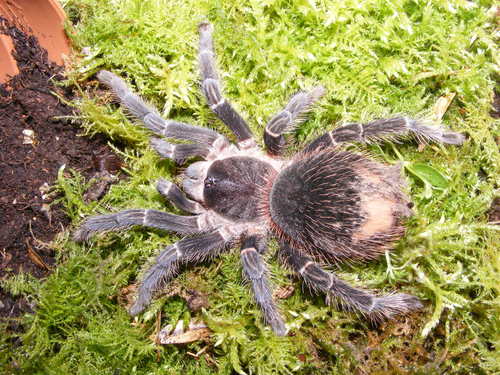
Also known as Goliath Tarantula, Goliath Bird-Eating Spider
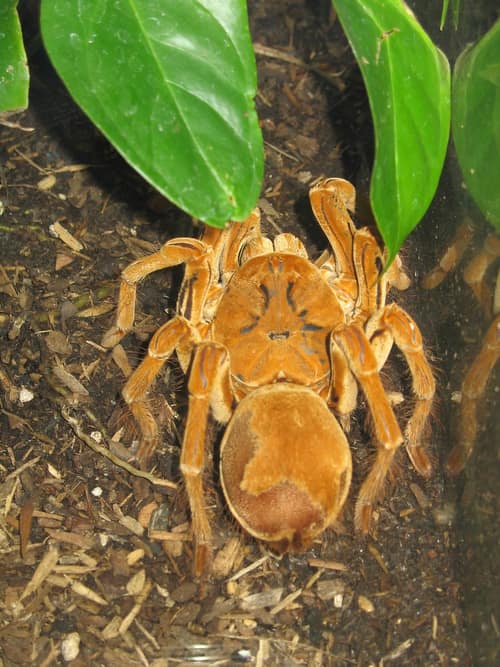
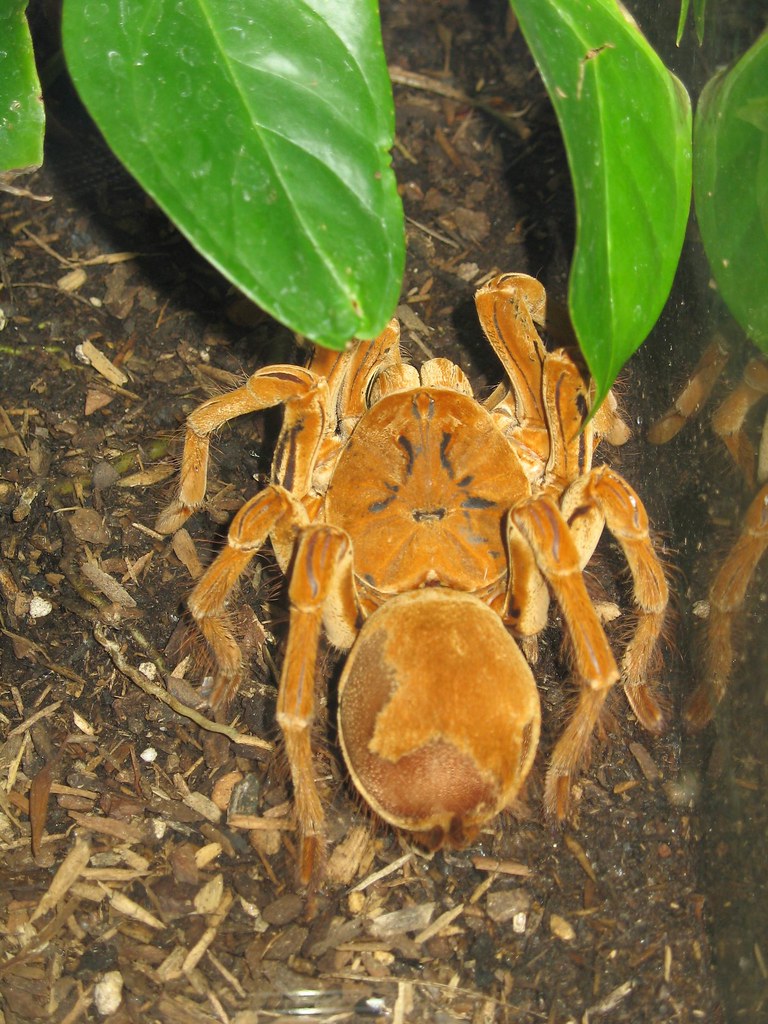
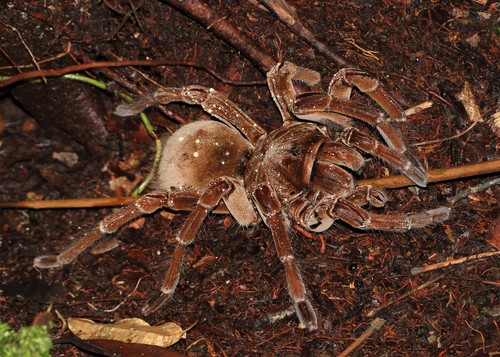
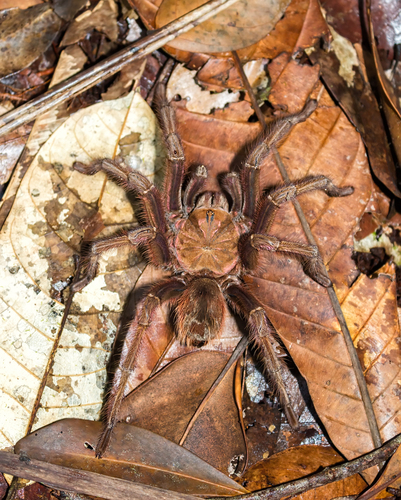
Goliath birdeaters are burrowing giants inhabiting the tropical rainforests of northern South America, where they construct deep, silk-lined burrows beneath the forest floor. These massive tarantulas hunt primarily at night, using sensitive vibrations in the ground to ambush insects, frogs, small mammals, and reptiles. When threatened, they produce a loud stridulating hiss by rubbing specialized bristles together while launching microscopic urticating hairs from their abdomen.
Not EvaluatedConservation statusIUCN Red List categoriesLCNTVUENCREWEXNot Evaluated — not placed on the risk ladderRed List categories, explained →
Key facts
Diet & preyLarge insects, Tree frogs, Small rodents
Predators
Coatis
Tarantula hawks
Large snakes
ThreatsHabitat loss, pet trade collecting, local hunting for food
HabitatsUpland tropical rainforests and swampy forest floors
Life spanFemales 15–25 years; males 3–6 years
Classification
OrderAraneae
FamilyTheraphosidae
GenusTheraphosa
SpeciesTheraphosa blondi
Range & activity
Range data is not available yet.
Safe observation
Interaction riskLow
Low
Moderate
High
Very high
Why interaction risk is low
Large fangs deliver a painful bite and abdomen hairs cause skin irritation; view safely from a distance.
Why it is dangerous
Possesses large fangs capable of inflicting a painful puncture wound and flicks urticating hairs that cause severe skin, eye, and respiratory irritation.
How to recognize a risky encounter
Recognized by its massive velvet-brown body, thick legs spanning up to thirty centimeters, and absence of bright leg striping.
What to do
Give burrows a wide berth and back away immediately if the spider rears up its front legs or makes a hissing sound.
Responsible observation
Observe at night: Use a red flashlight after dusk to spot individuals sitting at burrow entrances.
Listen for warning sounds: A rasping hiss indicates the spider feels threatened and may launch hairs.
Keep a safe buffer: Maintain a distance of several meters to prevent alarming the animal.