
Invertebrate
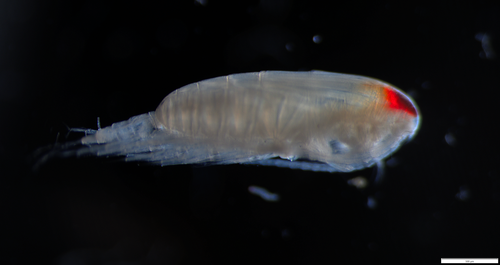
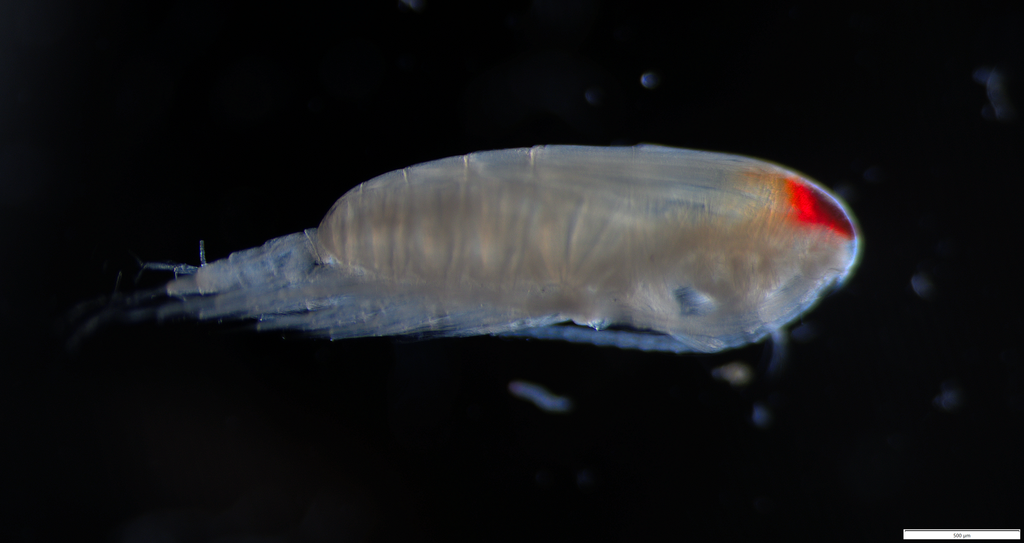
Calanus finmarchicus
Calanus finmarchicusAlso known as Norwegian Copepod, North Atlantic Copepod
These tiny, lipid-rich crustaceans dominate the zooplankton of the subarctic and temperate North Atlantic, serving as a critical energetic foundation for entire marine food webs. Adults and late-stage copepodites accumulate large oil sacs filled with wax esters during spring phytoplankton blooms, giving them an amber hue and immense caloric value. During late summer, populations descend into deep offshore waters exceeding several hundred meters to undergo diapause, avoiding visual predators until returning to the surface to reproduce the following spring.
MarinePlanktonicCold-Water
—observations
—countries
—peak records
Not EvaluatedConservation statusIUCN Red List categoriesLCNTVUENCREWEXNot Evaluated — not placed on the risk ladderRed List categories, explained →
Diet & preyDiatoms, Dinoflagellates, Ciliates
Predators
- Atlantic Herring
- Capelin
- North Atlantic Right Whale
ThreatsOcean warming and shifting current systems altering thermal range and spring bloom timing
HabitatsOpen ocean pelagic zones, continental shelf waters, and deep oceanic basins of the North Atlantic
Life span1–2 years
Classification
- FamilyCalanidae
- SpeciesCalanus finmarchicus
Range data is not available yet.
Interaction riskLow
- Low
- Moderate
- High
- Very high
- Why interaction risk is low
- Safe to observe at a normal distance.
Responsible observation
- Microscope Viewing: Use a plankton tow net in cold coastal waters to collect live specimens for darkfield microscopy.
- Lighting Details: Direct side lighting under magnification reveals the distinctive, shimmering reddish-orange lipid droplet inside the body.
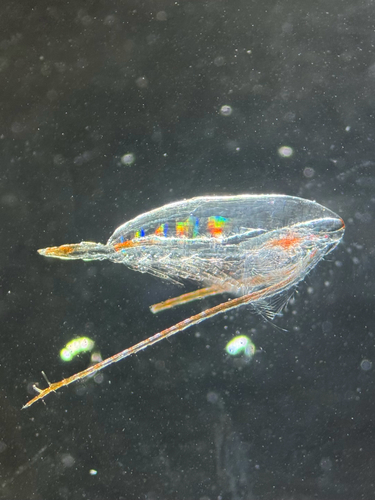
Same Genus (c) Ingvild Riska, some rights reserved (CC BY), uploaded by Ingvild Riska · cc-by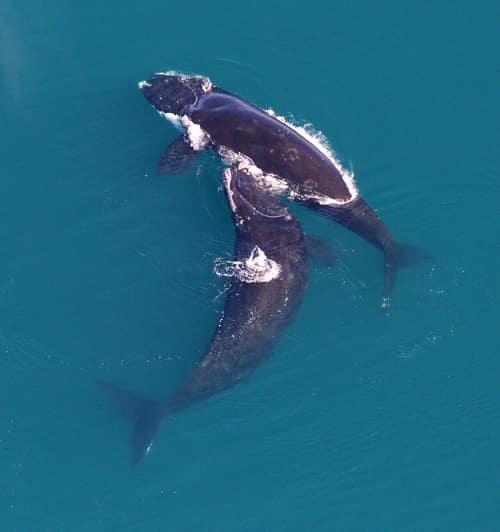
Predator National Marine Sanctuaries / Public domain · cc0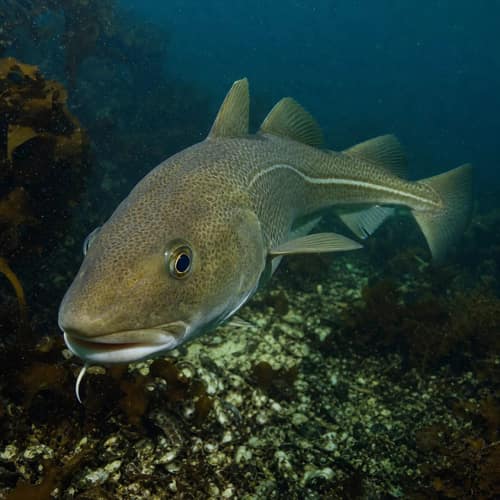
Predator NOAA / Public Domain (NOAA) · Public Domain (NOAA)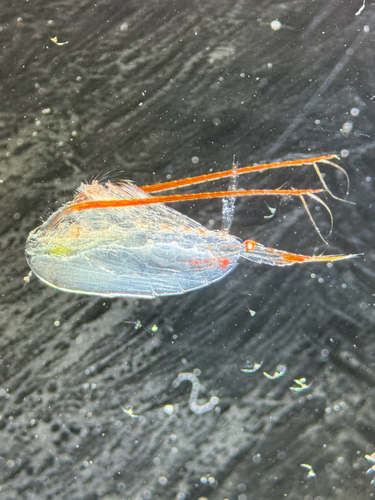
Close Relative (c) Ingvild Riska, some rights reserved (CC BY) · cc-by
Help improve the field guideSomething wrong?
Checking your Fauna account…Report a name, category, or profile issue for review.