
Insect
Citrus Mealybug
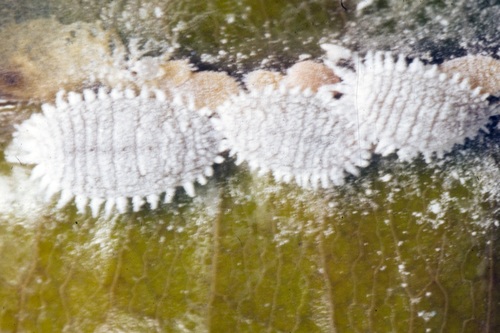
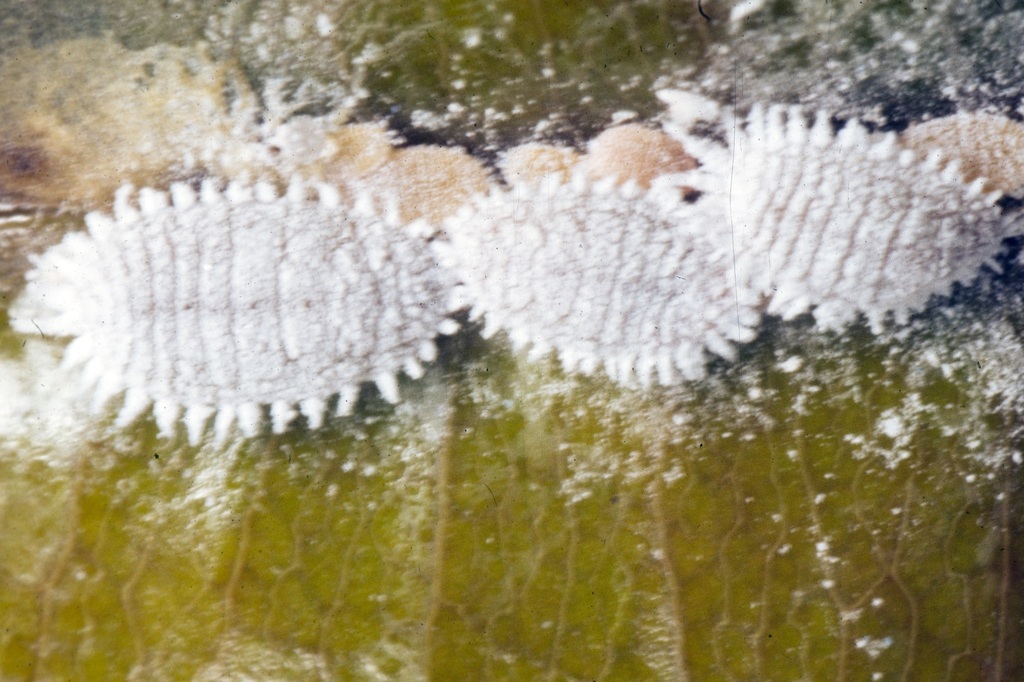
Planococcus citriCitrus mealybugs coat stems, leaf undersides, and fruit crevices in fluffy white wax while piercing plant tissues to siphon sap. Females remain wingless and lay hundreds of eggs inside cottony ovisacs, whereas tiny winged males emerge only briefly to mate. As they feed, they excrete sugary honeydew that attracts protective ants and fuels black sooty mold across orchards and greenhouses.
Sap-feedingWaxyAgricultural Pest
—observations
—countries
—peak records
Not EvaluatedConservation statusIUCN Red List categoriesLCNTVUENCREWEXNot Evaluated — not placed on the risk ladderRed List categories, explained →
Diet & preyCitrus sap, Ornamental plant phloem, Greenhouse crop juices
Predators
- Mealybug Destroyer
- Common Green Lacewing
- Parasitoid wasps
ThreatsParasitoid wasps, predatory beetles, and targeted agricultural pest control
HabitatsCitrus orchards, greenhouses, gardens, and tropical to subtropical foliage
Life spanAbout 1 to 2 months from egg to adult
Classification
- OrderHemiptera
- FamilyPseudococcidae
- GenusPlanococcus
- SpeciesPlanococcus citri
Range data is not available yet.
Interaction riskLow
- Low
- Moderate
- High
- Very high
- Why interaction risk is low
- Safe to observe at a normal distance.
Responsible observation
- Hand Lens: Inspect leaf undersides and stem joints closely to spot the segmented, powdery-white females.
- Ant Trails: Follow ants marching up citrus trunks to locate hidden honeydew-producing colonies.
- Quarantine: Check new houseplants and nursery stock carefully before bringing them near indoor collections.
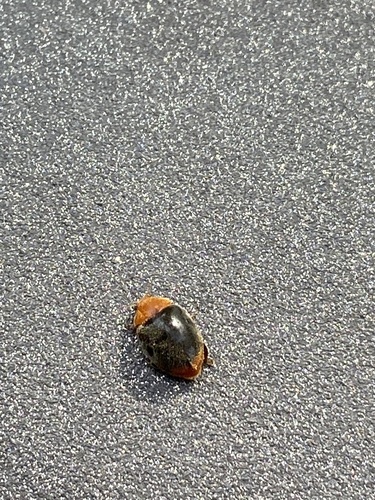
Predator no rights reserved · cc0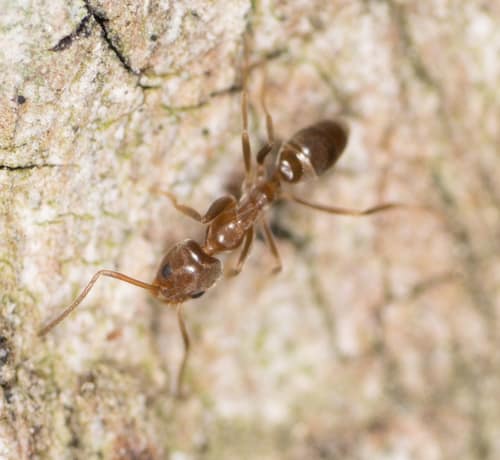
Symbiont no rights reserved, uploaded by Jesse Rorabaugh · cc0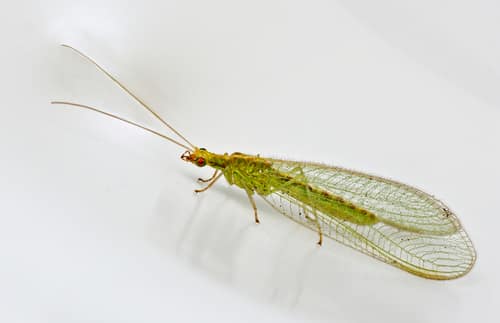
Predator (c) AJC1, some rights reserved (CC BY-SA) · cc-by-sa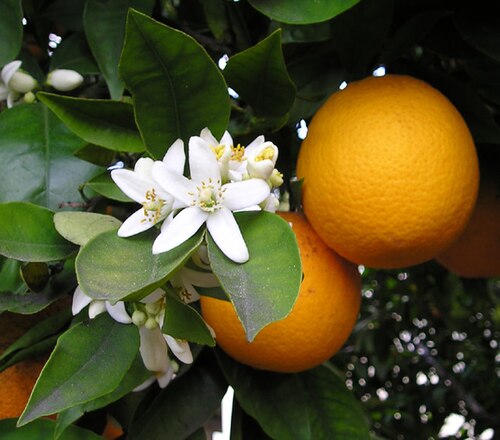
Host Plant Ellen Levy Finch (Elf) / CC BY-SA 3.0 · cc-by-sa Image unavailable
Close Relative 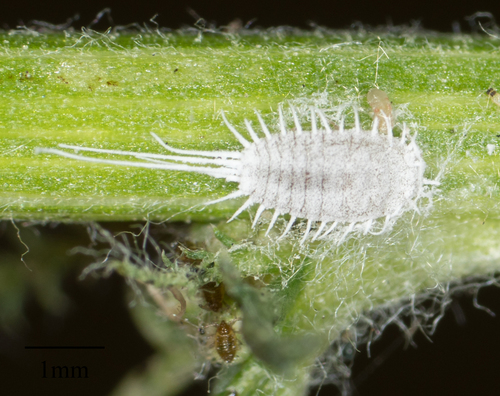
Same Family no rights reserved, uploaded by Jesse Rorabaugh · cc0
Help improve the field guideSomething wrong?
Checking your Fauna account…Report a name, category, or profile issue for review.