
Insect
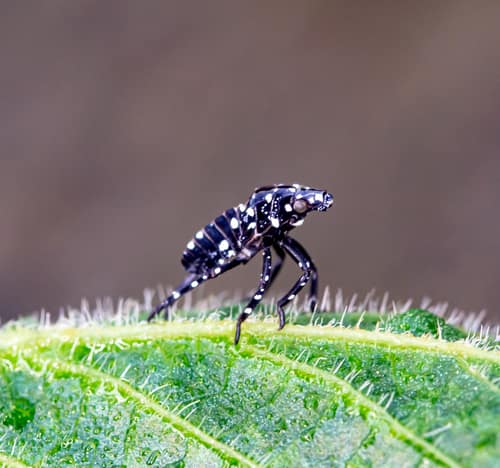
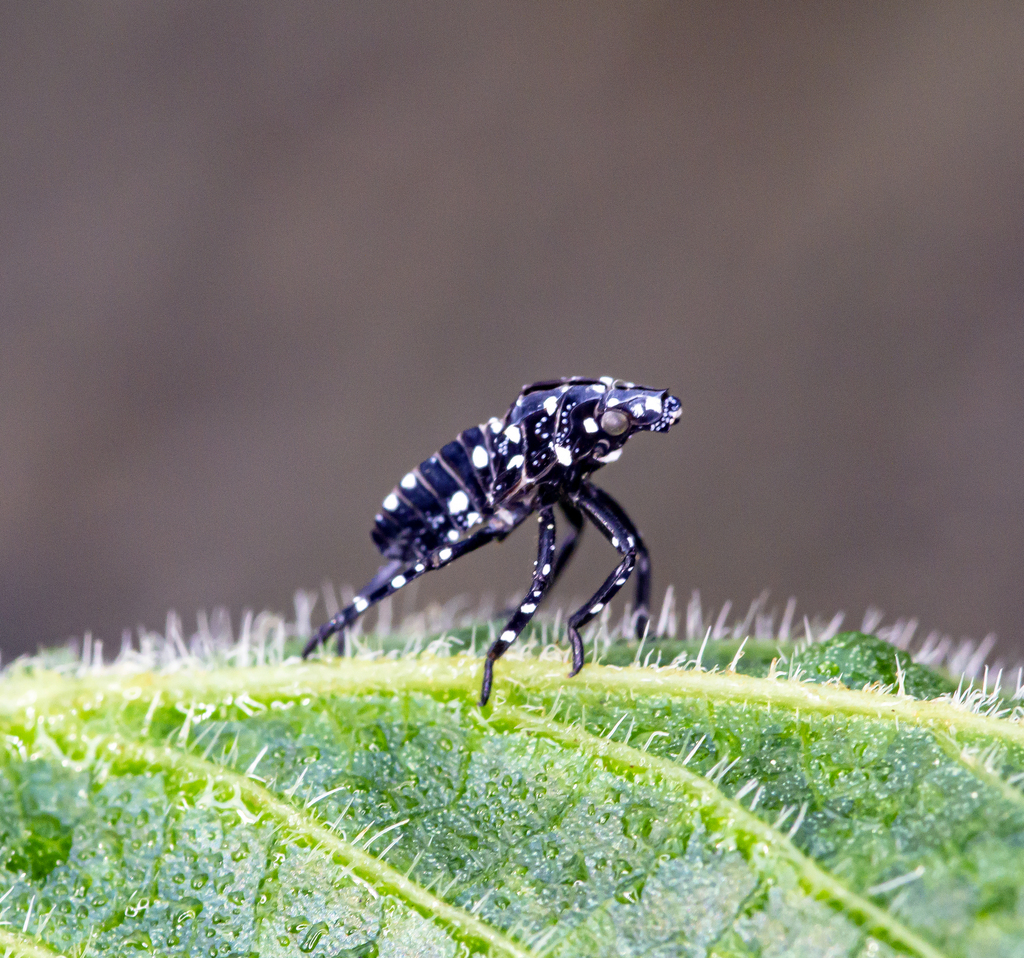
Spotted Lanternfly
Lycorma delicatulaAlso known as SLF
Spotted lanternflies are striking planthoppers easily identified by their grey-spotted forewings and brilliant scarlet hindwings revealed in flight. Adults and nymphs feed in large aggregations, using piercing-sucking mouthparts to drain sap from dozens of woody plant species while excreting sticky honeydew. This heavy feeding weakens trees, fosters destructive black sooty mold, and threatens vineyards and hardwood timber where introduced.
InvasiveColorfulForest Pest
—observations
—countries
—peak records
Not EvaluatedConservation statusIUCN Red List categoriesLCNTVUENCREWEXNot Evaluated — not placed on the risk ladderRed List categories, explained →
Diet & preyTree of heaven sap, Grapevine sap, Black walnut sap
Predators
- Parasitic wasps
- Praying mantises
- Songbirds
ThreatsPest eradication efforts, parasitic wasps, fungal pathogens, and native birds
HabitatsHardwood forests, vineyards, orchards, urban parks, and industrial corridors
Life span1 year
Classification
- OrderHemiptera
- FamilyFulgoridae
- GenusLycorma
- SpeciesLycorma delicatula
Range data is not available yet.
Interaction riskLow
- Low
- Moderate
- High
- Very high
- Why interaction risk is low
- Safe to observe at a normal distance.
Responsible observation
- Stomp on sight: In introduced invasive ranges, stomp on adults and nymphs to limit local damage.
- Inspect vehicles: Check wheel wells, grills, and gear for mud-like egg masses before traveling.
- Scrape egg masses: Scrape grey egg clutches into rubbing alcohol or hand sanitizer during winter.
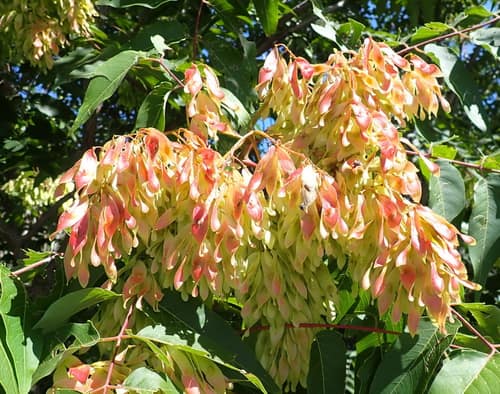
Host Plant (c) Nicola van Berkel, some rights reserved (CC BY-SA), uploaded by Nicola van Berkel · cc-by-sa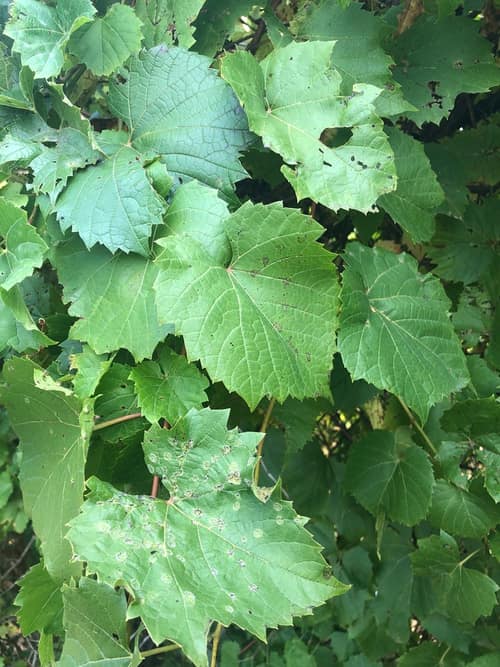
Host Plant (c) miquelon, some rights reserved (CC BY), uploaded by miquelon · cc-by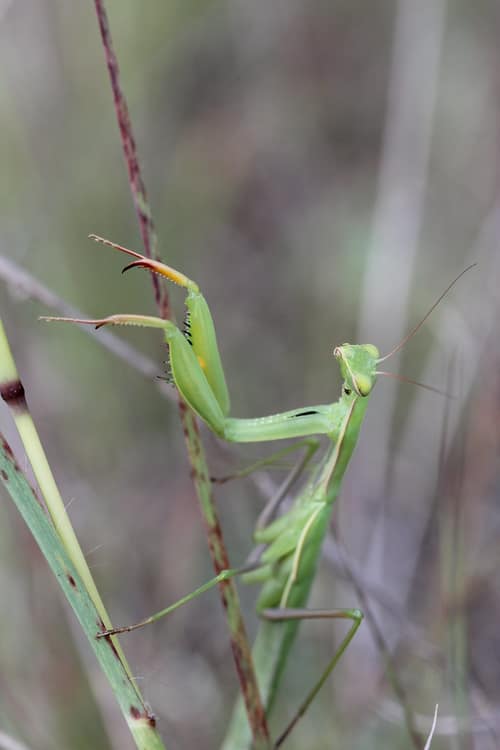
Predator "European Mantis - Mantis religiosa" by Björn S... is licensed under CC BY-SA 2.0. To view a copy of this license, visit https://creativecommons.org/licenses/by-sa/2.0/. · cc-by-sa
Help improve the field guideSomething wrong?
Checking your Fauna account…Report a name, category, or profile issue for review.