
Insect · GBIF taxon 5156107
Leptoglossus oppositus
Leptoglossus oppositusAlso known as Opposite Leaf-footed Bug
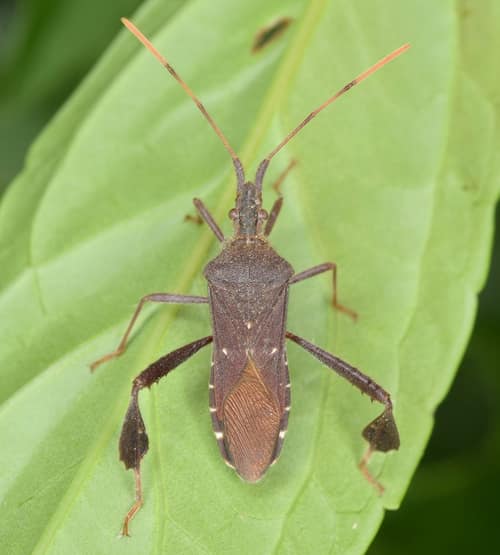
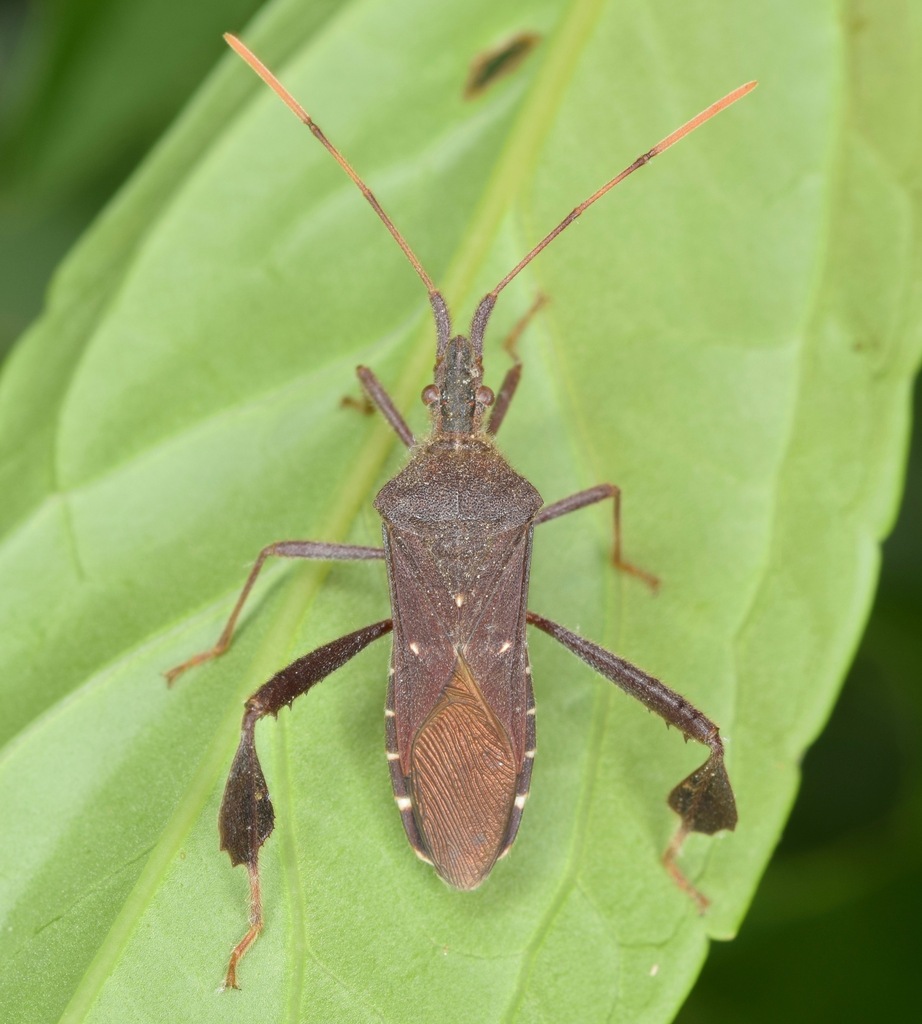
Leptoglossus oppositus relies on long, piercing mouthparts to drink energy-rich sap from developing seeds and fruits across forests, farms, and gardens. Adults overwinter in sheltered rock crevices, leaf litter, or building siding before emerging in spring to mate. When threatened, these true bugs release a pungent defensive odor from glands on the side of their thorax.
HerbivoreCamouflagedTrue Bug
—observations
—countries
—peak records
Not EvaluatedConservation statusIUCN Red List categoriesLCNTVUENCREWEXNot Evaluated — not placed on the risk ladderRed List categories, explained →
Diet & prey
- Plant Sap
- Developing Seeds
- Fruit Juices
Predators
- Birds
- Spiders
- Assassin Bugs
ThreatsPesticide application and extreme winter cold
HabitatsWoodland edges, agricultural crops, gardens, shrublands
Life span1 year
Size / weightNot available
Classification
- FamilyCoreidae
- SpeciesLeptoglossus oppositus
Range data is not available yet.
Interaction riskLow
- Low
- Moderate
- High
- Very high
- Why interaction risk is low
- Safe to observe at a normal distance.
Responsible observation
- Identification: Inspect the broad, flattened expansions on the hind legs and look for three white spots across the wing covers.
- Handling: Avoid crushing or rough handling to prevent the release of a pungent defensive scent.
- Observation: Search host plants like squash, cotton, and fruit trees on warm sunny afternoons.
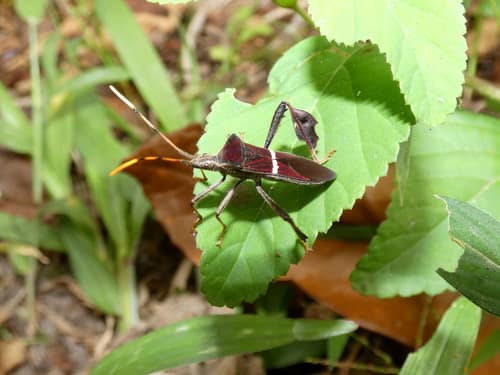
Close Relative (c) Kai Squires, some rights reserved (CC BY), uploaded by Kai Squires · cc-by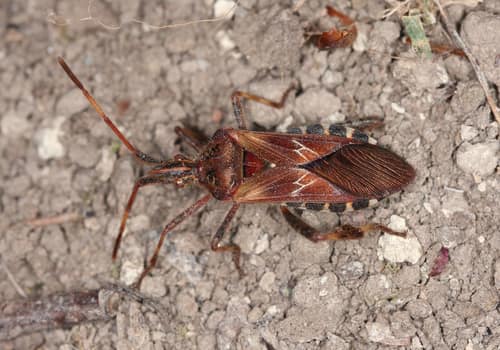
Close Relative (c) Holger Krisp, some rights reserved (CC BY) · cc-by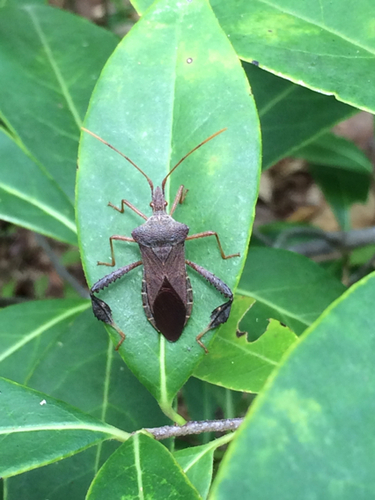
Close Relative (c) Laura Clark, some rights reserved (CC BY), uploaded by Laura Clark · cc-by
Help improve the field guideSomething wrong?
Checking your Fauna account…Report a name, category, or profile issue for review.