
Insect · GBIF taxon 5129451
Question Mark
Polygonia interrogationisQuestion Mark butterflies display striking seasonal variation, with summer adults sporting dark, near-black hindwings while overwintering generations feature bright orange hindwings with violet tails. Rather than feeding primarily on flower nectar, adults sip nutrient-rich liquids from sap flows, decaying fruit, animal dung, and damp soil along woodland paths. When perched with closed wings, their ragged edges and mottled brown undersides mimic a dry leaf, concealing them from foraging birds.
WoodlandCamouflagedBrush-footed
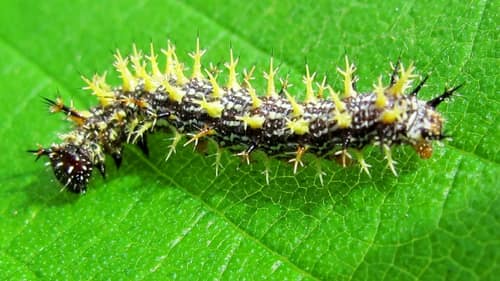
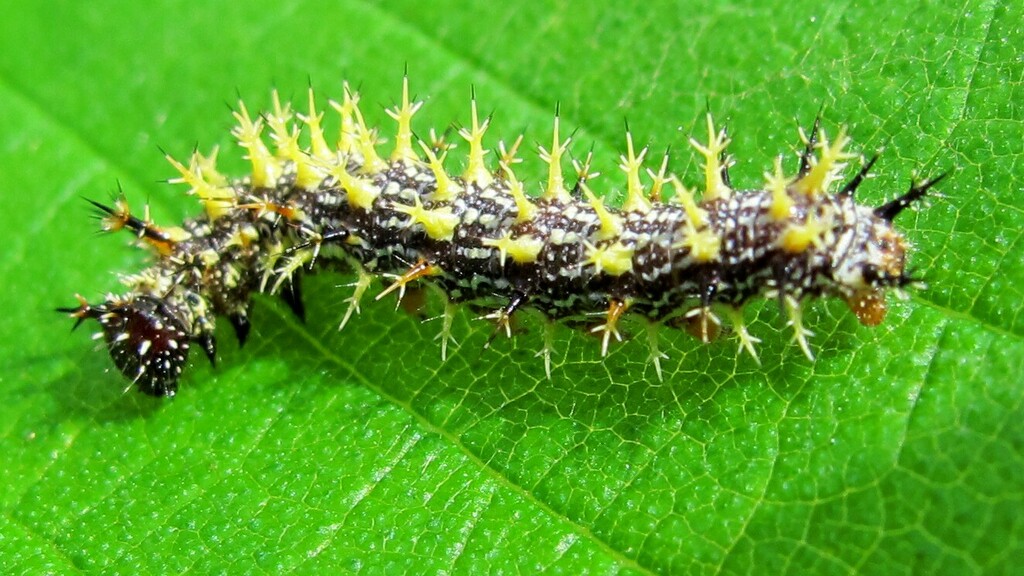
—observations
—countries
—peak records
Least ConcernConservation statusIUCN Red List categoriesLCNTVUENCREWEXLeast ConcernRed List categories, explained →
Diet & prey
- Tree sap
- Rotting fruit
- Elm and nettle leaves
Predators
- Songbirds
- Spiders
- Mantises
ThreatsDeforestation, heavy pesticide applications, and extreme winter temperatures
HabitatsDeciduous woodlands, forest edges, river bottoms, city parks, and suburban gardens
Life spanUp to 10 months (for adults that overwinter)
Classification
- OrderLepidoptera
- FamilyNymphalidae
- GenusPolygonia
- SpeciesPolygonia interrogationis
Range data is not available yet.
Interaction riskLow
- Low
- Moderate
- High
- Very high
- Why interaction risk is low
- Safe to observe at a normal distance.
Responsible observation
- Spotting: Look along sunny forest edges and damp trails where adults bask on trunks or mud.
- Attracting: Place fermenting fruit slices like overripe bananas or peaches in a shaded tray.
- Identification: Check the silver marking on the hindwing underside for a distinct separate dot.
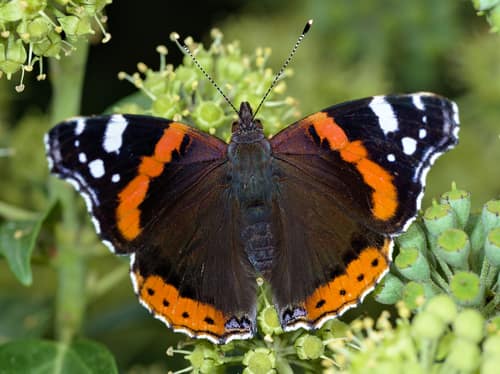
Ecological Neighbor (c) Gilles San Martin, some rights reserved (CC BY-SA), uploaded by Gilles San Martin · cc-by-sa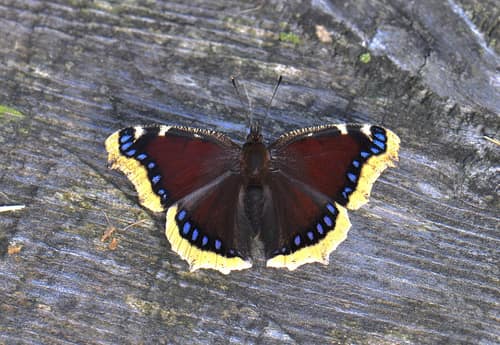
Overwintering Companion Pavel Kirillov from St.Petersburg, Russia / CC BY-SA 2.0 · cc-by-sa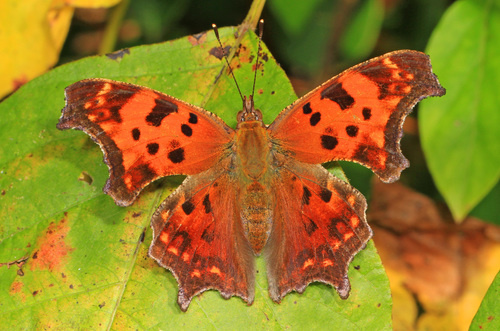
Close Relative (c) Judy Gallagher, some rights reserved (CC BY-SA), uploaded by Judy Gallagher · cc-by-sa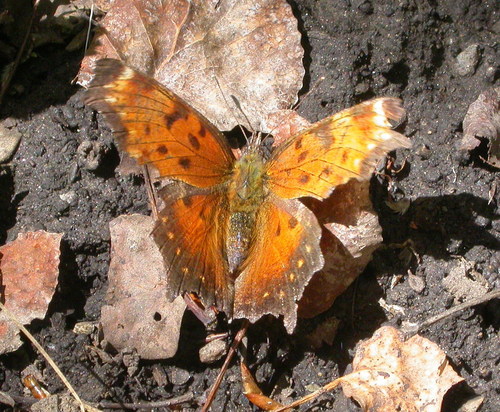
Close Relative (c) Nick Block, some rights reserved (CC BY), uploaded by Nick Block · cc-by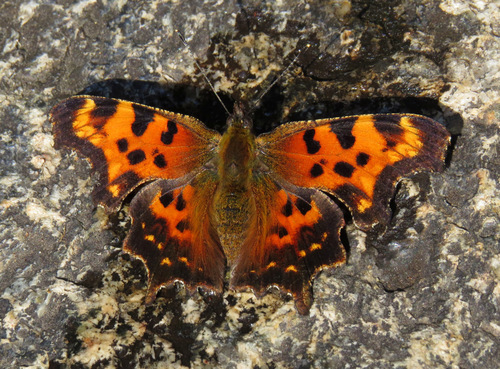
Close Relative (c) Nick Block, some rights reserved (CC BY), uploaded by Nick Block · cc-by
Keep collecting in Fauna
Found in Collections
Ecosystem chain Pro
Mystic Meadows
Question Mark is found in this collection. Identify it in Fauna to fill this slot and continue your progress.
Unlock to track progress
Help improve the field guideSomething wrong?
Checking your Fauna account…Report a name, category, or profile issue for review.