
Insect · GBIF taxon 5128034
Julia Heliconian
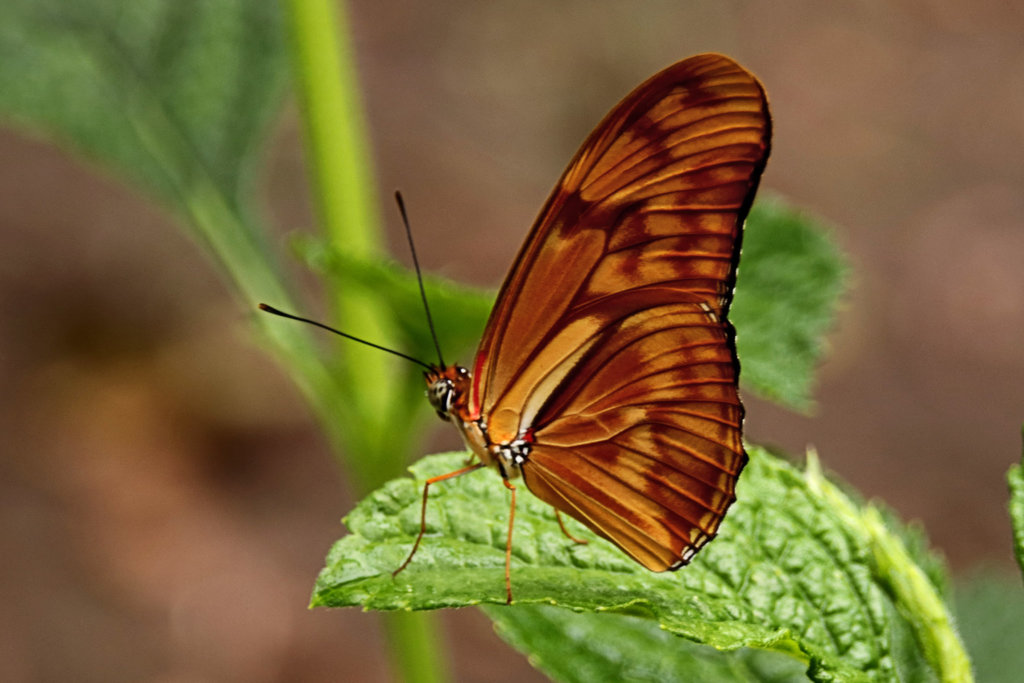
Dryas iuliaAlso known as Julia Butterfly, The Flame, Flambeau
Julia heliconians are known for their striking, elongated bright orange wings bordered by delicate black markings. Adults dart rapidly through sunny forest edges and gardens, often stopping to sip nectar or collect minerals from damp mud and even the tears of reptiles. Caterpillars feed on passion vines, incorporating plant toxins into their tissues to deter predators.
Brush-FootedPollinatorTropical

—observations
—countries
—peak records
Least ConcernConservation statusIUCN Red List categoriesLCNTVUENCREWEXLeast ConcernRed List categories, explained →
Diet & prey
- Nectar
- Pollen
- Mineral salts
Predators
- Birds
- Lizards
- Praying mantises
ThreatsDeforestation, pesticide usage, and unseasonal freezing weather.
HabitatsSubtropical and tropical forest edges, clearings, fields, and botanical gardens.
Life span1–2 months as adults
Size / weightNot available
Classification
- OrderLepidoptera
- FamilyNymphalidae
- GenusDryas
- SpeciesDryas iulia
Range data is not available yet.
Interaction riskLow
- Low
- Moderate
- High
- Very high
- Why interaction risk is low
- Safe to observe at a normal distance.
Responsible observation
- Look Near Vines: Search passionflower vines where females flutter low while laying eggs.
- Watch Riverbanks: Observe damp soil where males gather to sip mineral-rich fluids.
- Morning Observation: Spot basking individuals on sunlit leaves early in the day.
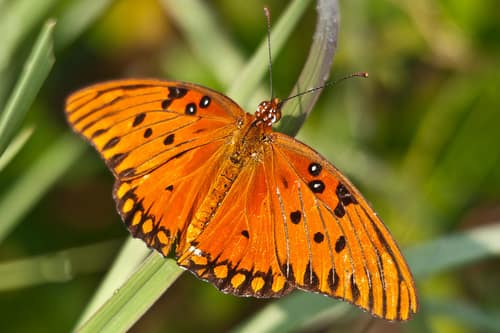
Close Relative "Gulf Fritillary butterfly" by USFWS/Southeast is licensed under CC BY 2.0. To view a copy of this license, visit https://creativecommons.org/licenses/by/2.0/. · cc-by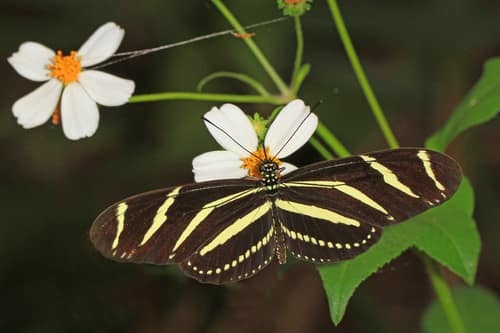
Close Relative (c) Judy Gallagher, some rights reserved (CC BY) · cc-by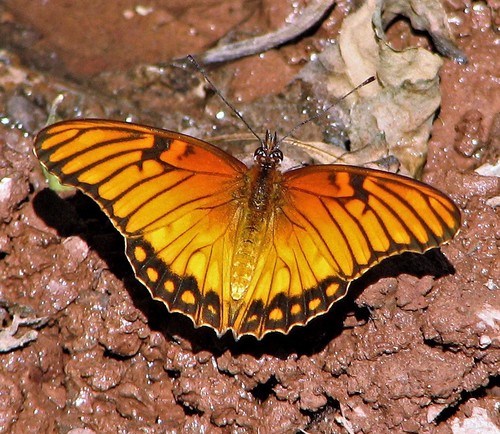
Close Relative no rights reserved, uploaded by Hugo Hulsberg · cc0
Keep collecting in Fauna
Found in Collections
Ecosystem chain Pro
Mystic Meadows
Julia Heliconian is found in this collection. Identify it in Fauna to fill this slot and continue your progress.
Unlock to track progress
Help improve the field guideSomething wrong?
Checking your Fauna account…Report a name, category, or profile issue for review.