
Insect · GBIF taxon 5123922
Lime Hawkmoth
Mimas tiliaeAlso known as Lime Hawk-moth
Lime hawkmoths emerge in late spring with scalloped wings decorated in variable shades of pinkish tan and moss green. Adult moths lack functioning mouthparts and rely entirely on fat reserves stored during their larval phase, living just long enough to locate a mate. Bright green caterpillars feed high in the canopy of lime, birch, and alder trees before crawling down to pupate in the soil.
NocturnalCamouflageWoodland
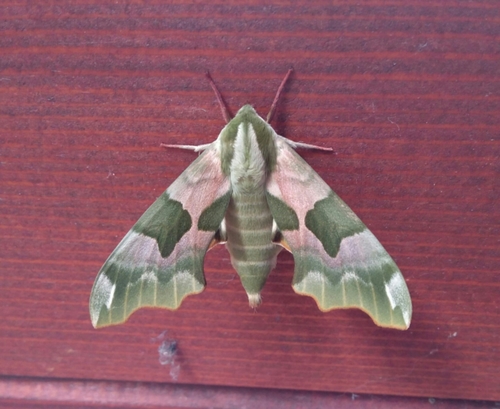
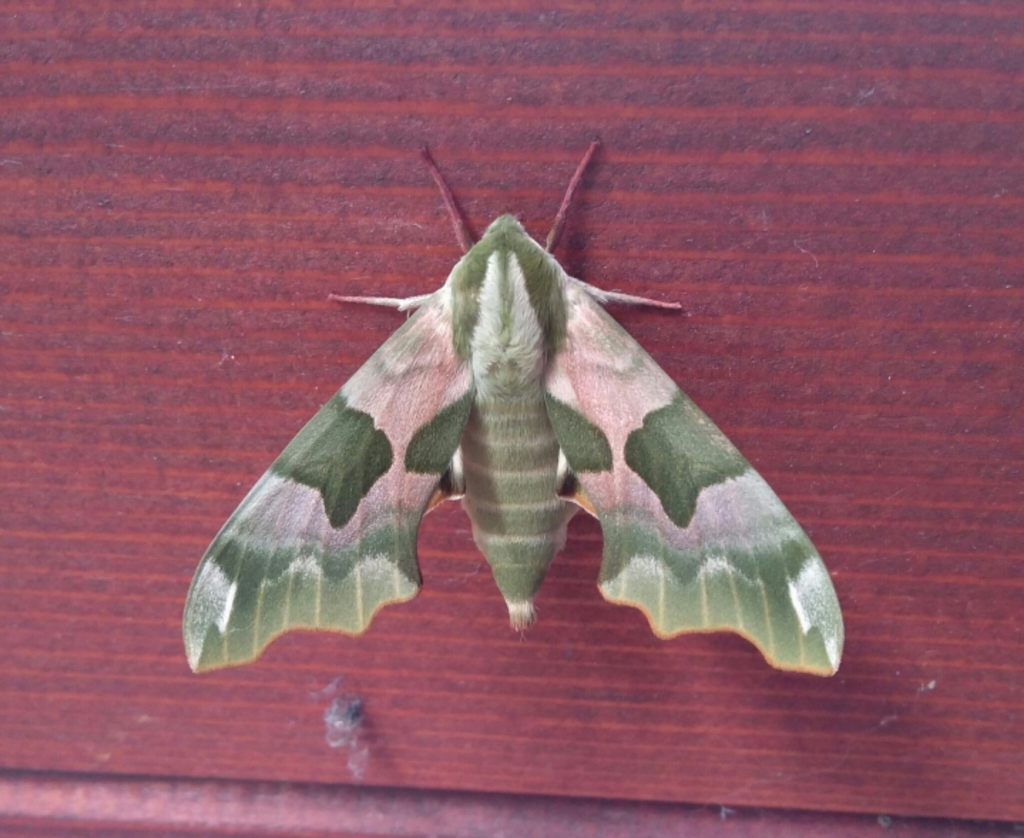
—observations
—countries
—peak records
Least ConcernConservation statusIUCN Red List categoriesLCNTVUENCREWEXLeast ConcernRed List categories, explained →
Diet & prey
- Lime leaves
- Birch leaves
- Alder leaves
Predators
- Bats
- Insectivorous birds
- Small mammals
ThreatsLight pollution, urban tree pruning, garden pesticides
HabitatsDeciduous woodlands, parks, gardens, tree-lined urban avenues
Life span1–2 weeks as adult; 1 year total life cycle
Classification
- OrderLepidoptera
- FamilySphingidae
- GenusMimas
- SpeciesMimas tiliae
Range data is not available yet.
Interaction riskLow
- Low
- Moderate
- High
- Very high
- Why interaction risk is low
- Safe to observe at a normal distance.
Responsible observation
- Morning Searches: Check around outdoor lights, walls, and fences early in the morning during May and June.
- Tree Scans: Look for the rough-skinned green caterpillars on the underside of low lime tree branches in late summer.
- Gentle Observation: Avoid touching resting adults, as disturbing them drains vital energy needed for reproduction.
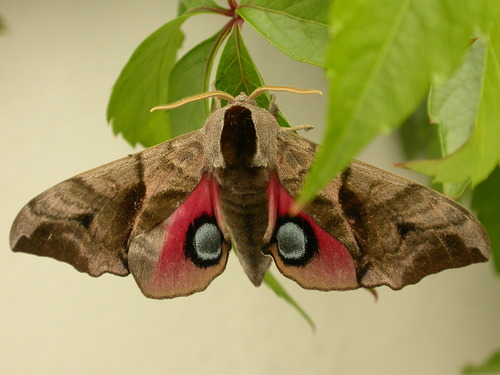
Close Relative (c) Donald Hobern, some rights reserved (CC BY) · cc-by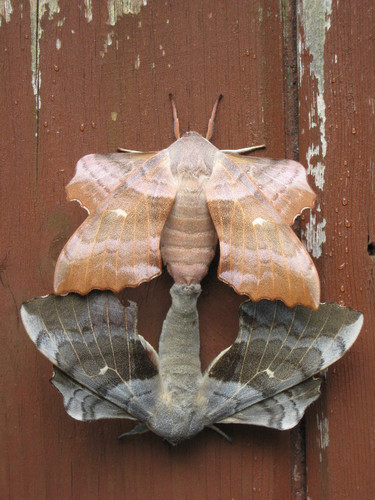
Close Relative (c) A Dearheart, some rights reserved (CC BY-SA) · cc-by-sa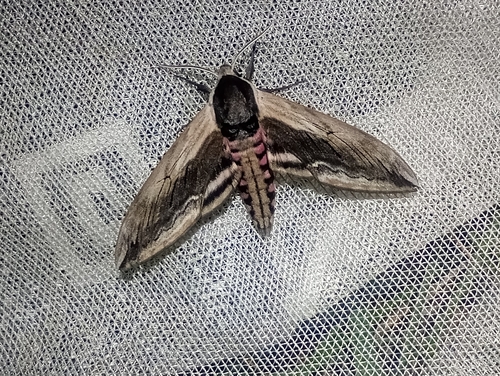
Close Relative (c) mnauky, some rights reserved (CC BY) · cc-by
Keep collecting in Fauna
Found in Collections
Species set
Moonlight Marvels
Lime Hawkmoth is found in this collection. Identify it in Fauna to fill this slot and continue your progress.
—/7
Help improve the field guideSomething wrong?
Checking your Fauna account…Report a name, category, or profile issue for review.