
Insect · GBIF taxon 5123608
Eastern Yucca Moth
Tegeticula yuccasellaAlso known as Yucca Moth
Eastern yucca moths maintain one of nature's most iconic obligate mutualisms with wild yucca plants. Female moths use specialized tentacle-like mouthparts to gather pollen into a compact ball, deliberately transferring it to another flower before depositing eggs into the ovary. The hatching larvae consume a fraction of the developing seeds, leaving plenty behind to ensure the next generation of both plant and moth.
PollinatorMutualistNocturnal
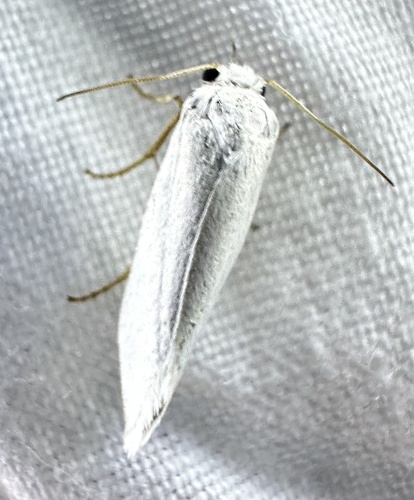
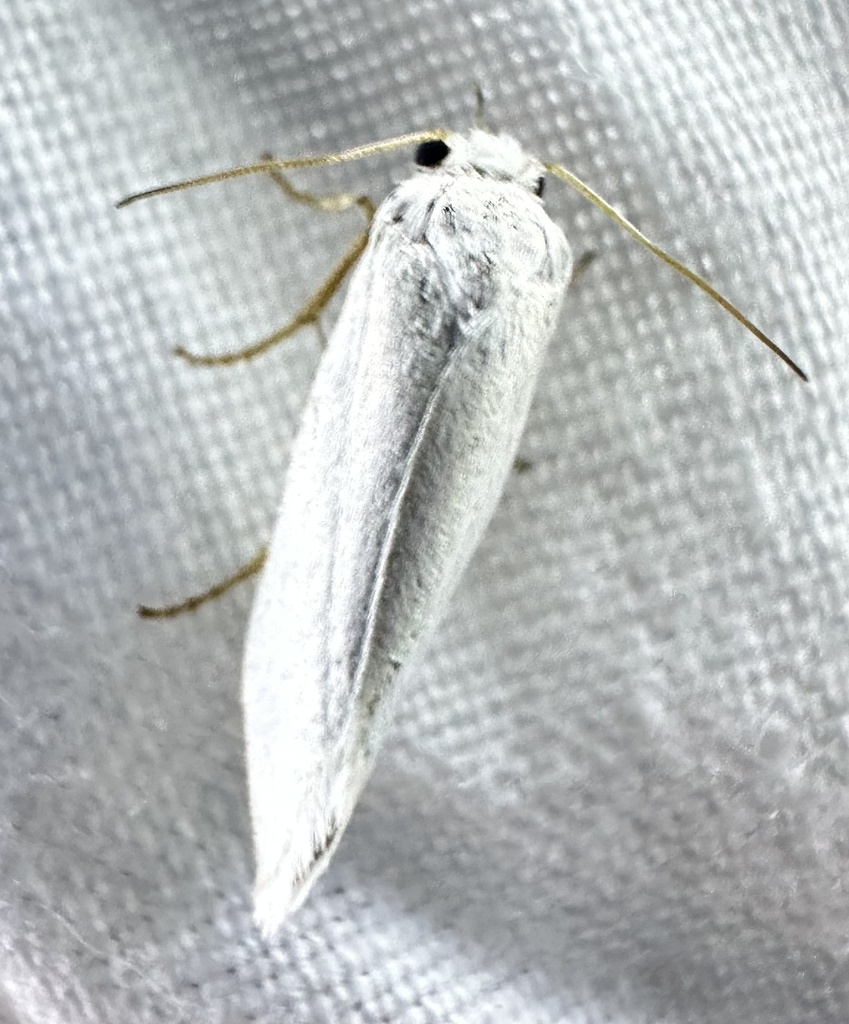
—observations
—countries
—peak records
Not EvaluatedConservation statusIUCN Red List categoriesLCNTVUENCREWEXNot Evaluated — not placed on the risk ladderRed List categories, explained →
Diet & prey
- Yucca seeds
Predators
- Spiders
- Bats
- Songbirds
ThreatsHabitat fragmentation, loss of native yucca stands, pesticide application
HabitatsGrasslands, scrublands, coastal dunes, and gardens
Life span1 year total; adults live 1–2 weeks
Classification
- FamilyProdoxidae
- SpeciesTegeticula yuccasella
Range data is not available yet.
Interaction riskLow
- Low
- Moderate
- High
- Very high
- Why interaction risk is low
- Safe to observe at a normal distance.
Responsible observation
- Timing: Inspect opening yucca blossoms at dusk or early night during late spring.
- Observation: Peer gently inside the creamy flower petals where adults rest quietly during the day.
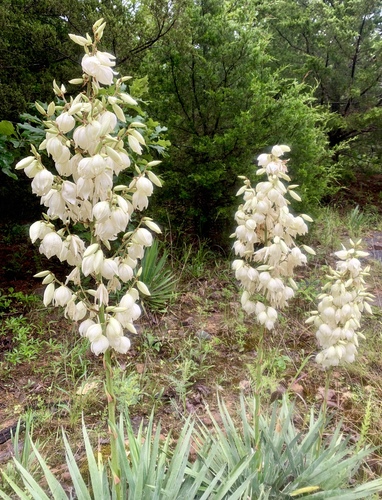
Host Plant (c) Conway Hawn, some rights reserved (CC BY) · cc-by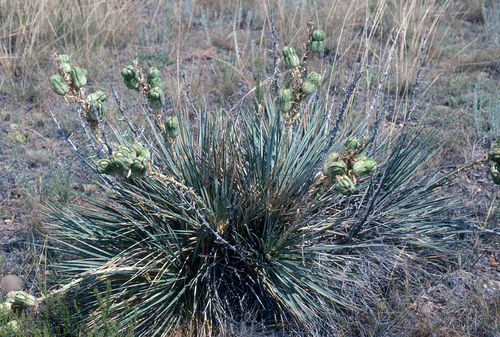
Host Plant (c) Douglas Goldman, some rights reserved (CC BY-SA), uploaded by Douglas Goldman · cc-by-sa Image unavailable
Co-Occurring Relative
Help improve the field guideSomething wrong?
Checking your Fauna account…Report a name, category, or profile issue for review.