
Insect · GBIF taxon 5114934
Clymene Moth
Haploa clymeneAlso known as Clymene Tiger Moth
Clymene moths display a striking geometric pattern of dark brown lines framing crisp cream-white forewings, which fold back to reveal bright orange-yellow hindwings. Active from midsummer through early autumn, adults are frequently drawn to artificial lights at night but can also be seen resting on low foliage during the day. Their hairy caterpillars feed on a broad variety of broadleaf trees and herbaceous plants, overwintering under leaf litter before pupating in spring.
PatternedNocturnalAttracted to Light
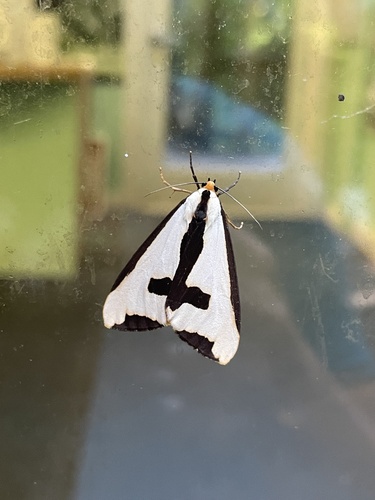
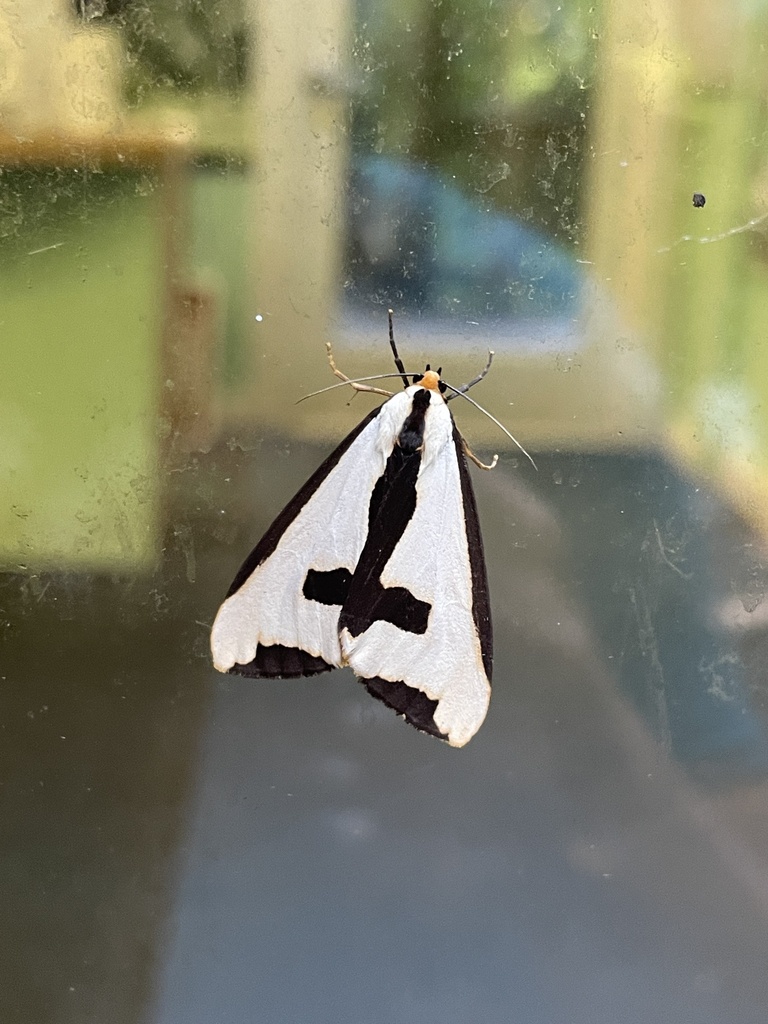
—observations
—countries
—peak records
Not EvaluatedConservation statusIUCN Red List categoriesLCNTVUENCREWEXNot Evaluated — not placed on the risk ladderRed List categories, explained →
Diet & prey
- Floral Nectar
- Oak Leaves
- Willow Leaves
Predators
- Bats
- Songbirds
- Spiders
ThreatsHabitat loss, light pollution, and pesticide application
HabitatsDeciduous woods, forest edges, wet meadows, and suburban gardens
Life span1 to 2 weeks as adults; 1 year total life cycle
Classification
- OrderLepidoptera
- FamilyErebidae
- GenusHaploa
- SpeciesHaploa clymene
Range data is not available yet.
Interaction riskLow
- Low
- Moderate
- High
- Very high
- Why interaction risk is low
- Safe to observe at a normal distance.
Responsible observation
- Nighttime Viewing: Set up a white sheet and UV light near woodland edges during midsummer nights.
- Daytime Searching: Inspect the undersides of broad plant leaves along shaded trail borders.
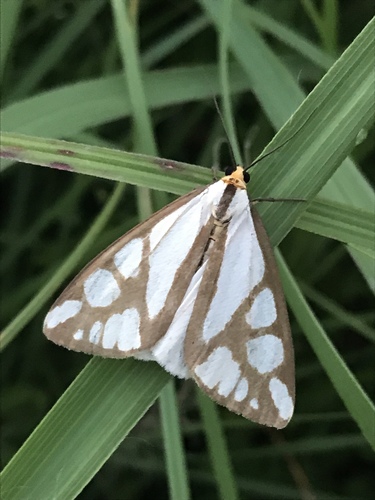
Close Relative (c) Ryan Donnelly, some rights reserved (CC BY), uploaded by Ryan Donnelly · cc-by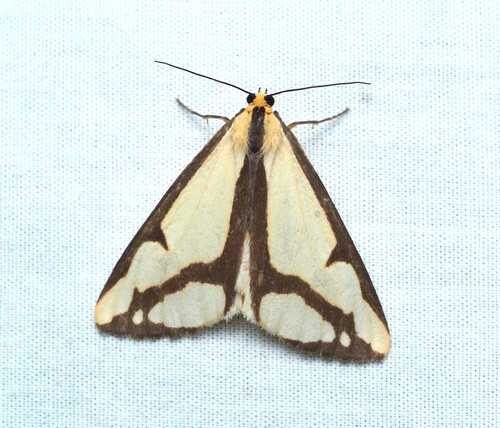
Close Relative no rights reserved · cc0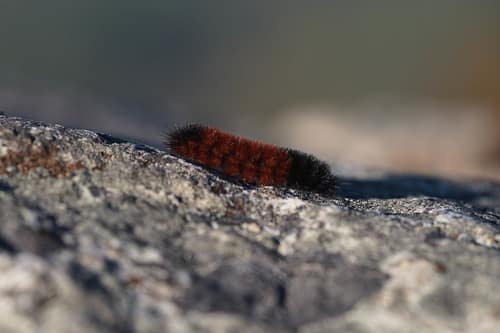
Subfamily Member "Woolly Bear Caterpillar Spotted!" by soomness is licensed under CC BY 2.0. To view a copy of this license, visit https://creativecommons.org/licenses/by/2.0/. · cc-by
Keep collecting in Fauna
Found in Collections
Species set
Moonlight Marvels
Clymene Moth is found in this collection. Identify it in Fauna to fill this slot and continue your progress.
—/7
Help improve the field guideSomething wrong?
Checking your Fauna account…Report a name, category, or profile issue for review.