
Insect
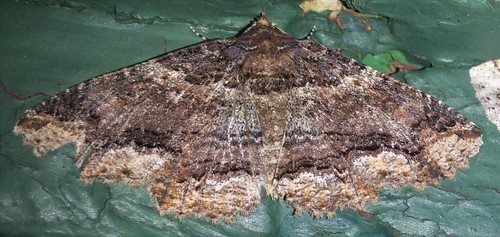
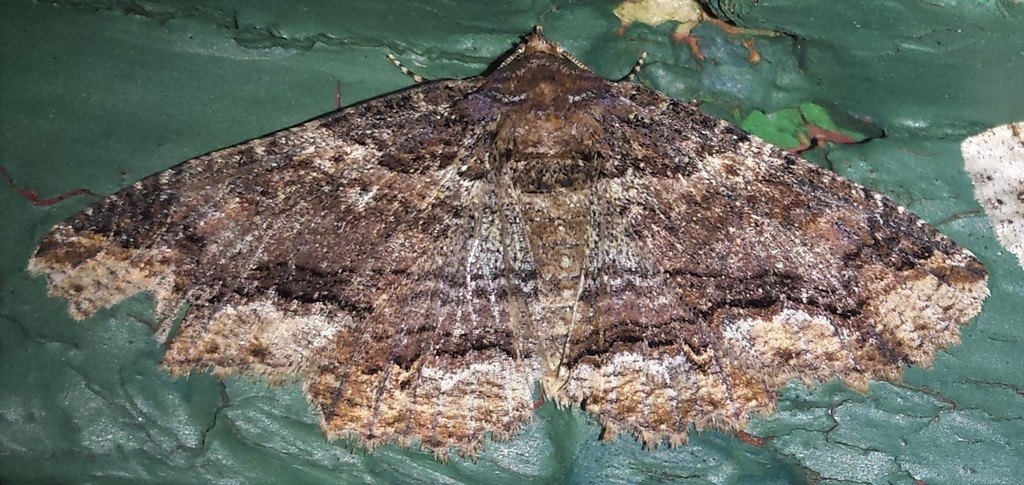
Colorful Zale Moth
Zale minereaAlso known as Large False Looper, Mahogany Similar-Wing
Colorful zale moths display intricate mottled patterns of slate gray, chocolate brown, and chestnut that allow them to blend seamlessly against rough tree bark. Adults fly predominantly during the spring and early summer across eastern and central North American woodlands. Their caterpillars are twig-mimicking loopers that feed on a wide variety of native deciduous trees, contributing to forest nutrient cycling and serving as valuable food for nesting songbirds.
NocturnalCamouflagedWoodland
—observations
—countries
—peak records
Not EvaluatedConservation statusIUCN Red List categoriesLCNTVUENCREWEXNot Evaluated — not placed on the risk ladderRed List categories, explained →
Diet & preyPlant nectar, Tree sap, Deciduous foliage
Predators
- Bats
- Songbirds
- Spiders
ThreatsPesticide runoff, habitat fragmentation, and artificial light pollution disrupting nocturnal behaviors
HabitatsDeciduous and mixed forests, woodland edges, and suburban tree canopies
Life spanAround 1 year (including egg, larval, and pupal stages)
Classification
- FamilyErebidae
- SpeciesZale minerea
Range data is not available yet.
Interaction riskLow
- Low
- Moderate
- High
- Very high
- Why interaction risk is low
- Safe to observe at a normal distance.
Responsible observation
- Night lighting: Attract resting adults by hanging a white sheet illuminated with an ultraviolet light.
- Tree trunk scanning: Inspect furrowed tree bark closely during daytime walks to spot resting moths.
- Gentle viewing: Keep hands clear to avoid rubbing delicate scales off the wings.
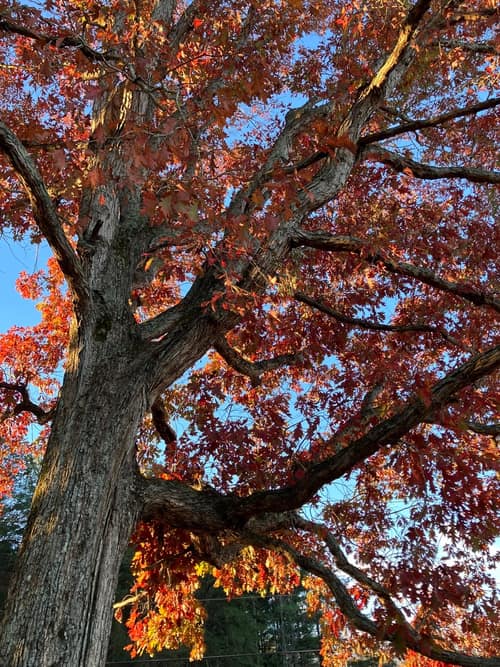
Host Plant (c) Alicia Ballard, some rights reserved (CC BY) · cc-by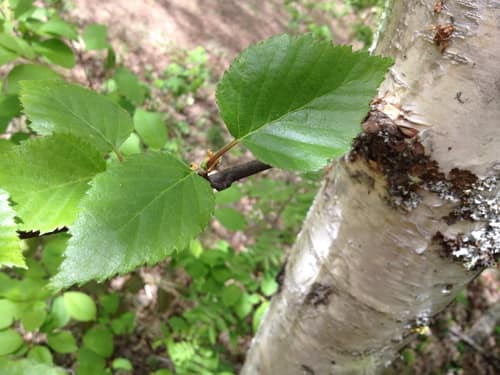
Host Plant no rights reserved, uploaded by Dezene Huber · cc0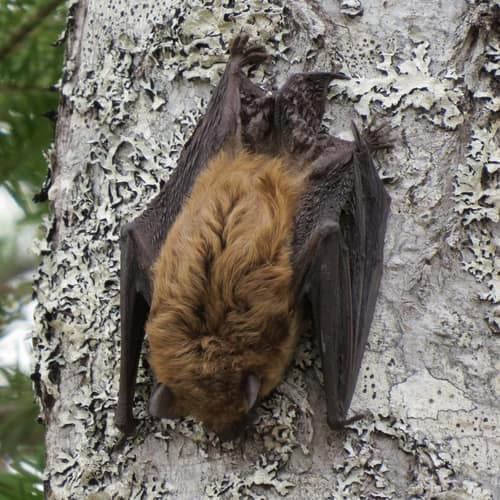
Predator (c) Fyn Kynd, some rights reserved (CC BY) · cc-by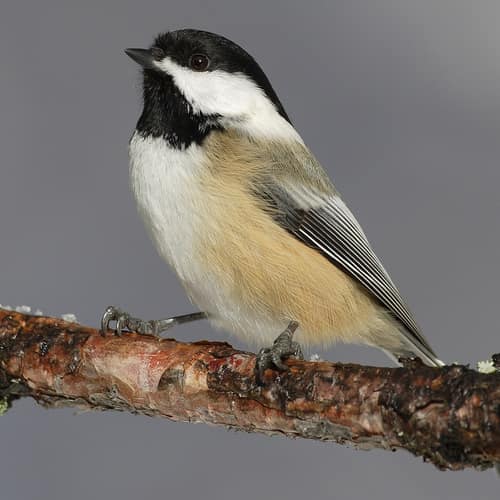
Predator No machine-readable author provided. Mdf assumed (based on copyright claims). / CC BY-SA 3.0 · cc-by-sa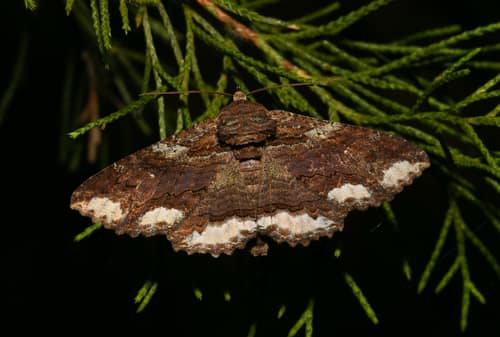
Close Relative (c) David George, some rights reserved (CC BY), uploaded by David George · cc-by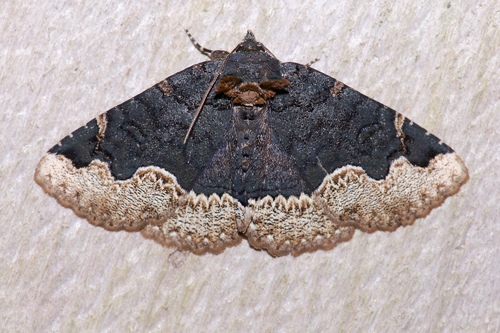
Close Relative (c) Laura Gaudette, some rights reserved (CC BY), uploaded by Laura Gaudette · cc-by
Help improve the field guideSomething wrong?
Checking your Fauna account…Report a name, category, or profile issue for review.