
Insect
Australian Plague Locust
Chortoicetes terminiferaAlso known as Plague Locust
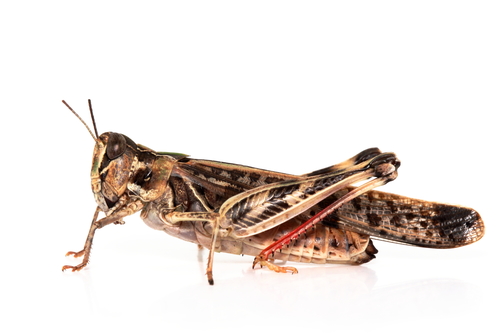
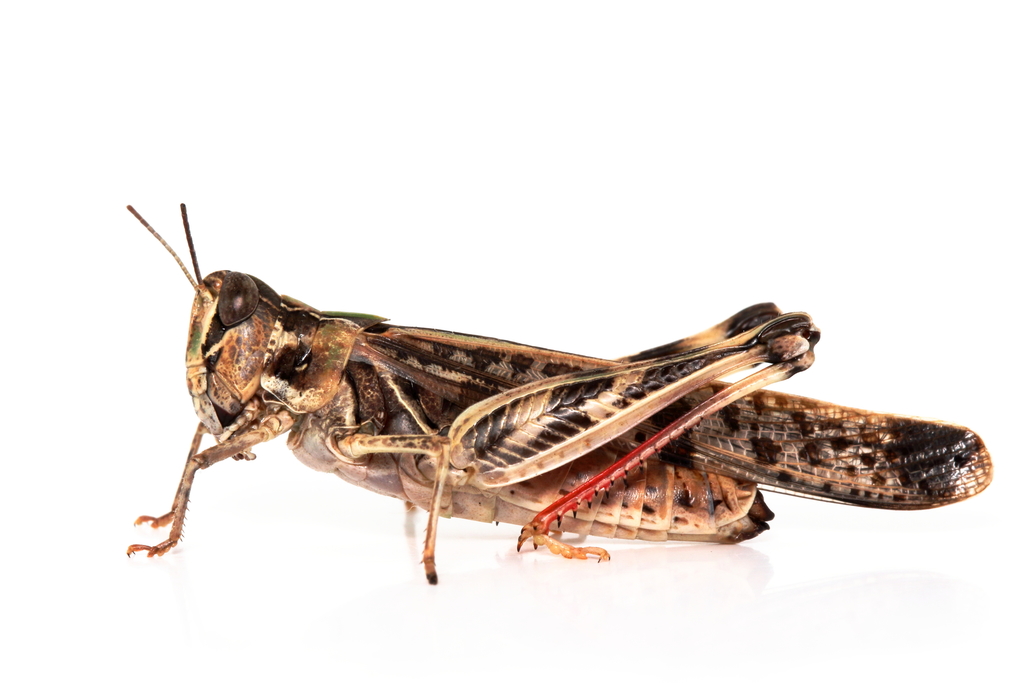
Australian plague locusts inhabit the vast arid and semi-arid grasslands of inland Australia, usually persisting in low-density solitary phases until significant rainfall sparks massive breeding events. When crowded as nymphs, they undergo a behavioral and physiological shift into gregarious swarms capable of marching across open ground and flying hundreds of kilometers on warm nighttime winds. These immense adult swarms can strip pastures and grain crops bare within hours, prompting large-scale coordinated monitoring and management across eastern and central Australia.
SwarmingMigratoryHerbivorous
—observations
—countries
—peak records
Not EvaluatedConservation statusIUCN Red List categoriesLCNTVUENCREWEXNot Evaluated — not placed on the risk ladderRed List categories, explained →
Diet & preyNative Pasture Grasses, Cereal Crops, Pasture Legumes
Predators
- Straw-necked Ibis
- Nankeen Kestrel
- Parasitoid Wasps
ThreatsChemical pesticide applications, severe prolonged drought, and entomopathogenic fungi
HabitatsSemi-arid rangelands, pastures, native grasslands, and agricultural crops
Life span2–6 months
Classification
- FamilyAcrididae
- SpeciesChortoicetes terminifera
Range data is not available yet.
Interaction riskLow
- Low
- Moderate
- High
- Very high
- Why interaction risk is low
- Safe to observe at a normal distance.
Responsible observation
- Field Identification: Check the tip of the transparent hindwing for a prominent dark spot, a signature field mark of this species.
- Watching Bands: Approach advancing nymph bands slowly from the side to avoid scattering the tightly packed formation.
- Timing Flights: Look for mass night migrations around dusk during warm weather ahead of passing low-pressure weather fronts.
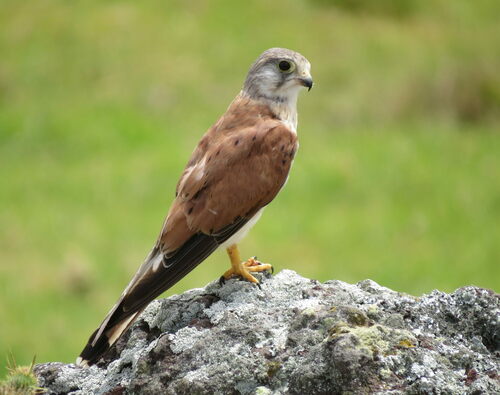
Predator (c) William Harland, some rights reserved (CC BY) · cc-by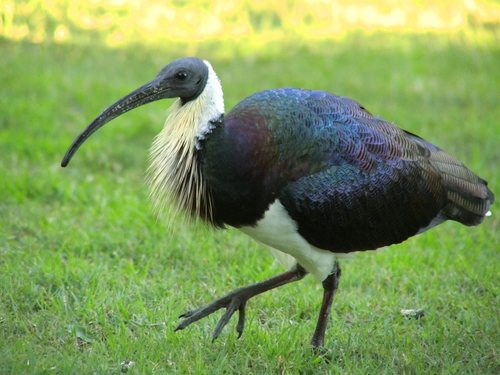
Predator (c) Charles Lam, some rights reserved (CC BY-SA) · cc-by-sa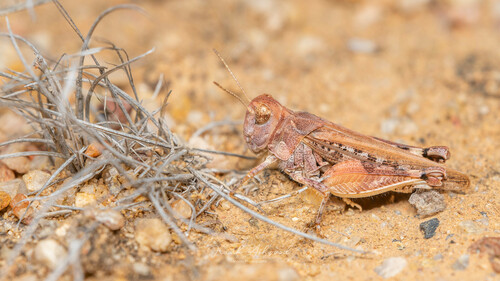
Close Relative (c) Frank Ashwood, some rights reserved (CC BY) · cc-by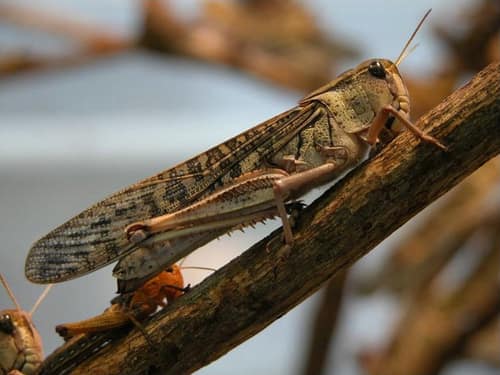
Same Family Jonathan Hornung / CC BY-SA 2.0 de · cc-by-sa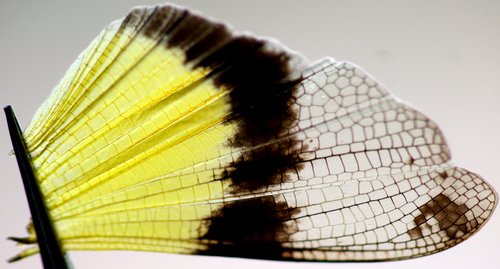
Same Family (c) Ian Sutton, some rights reserved (CC BY) · cc-by
Help improve the field guideSomething wrong?
Checking your Fauna account…Report a name, category, or profile issue for review.