
Insect
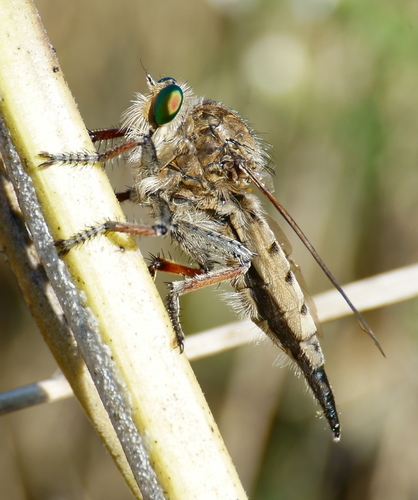
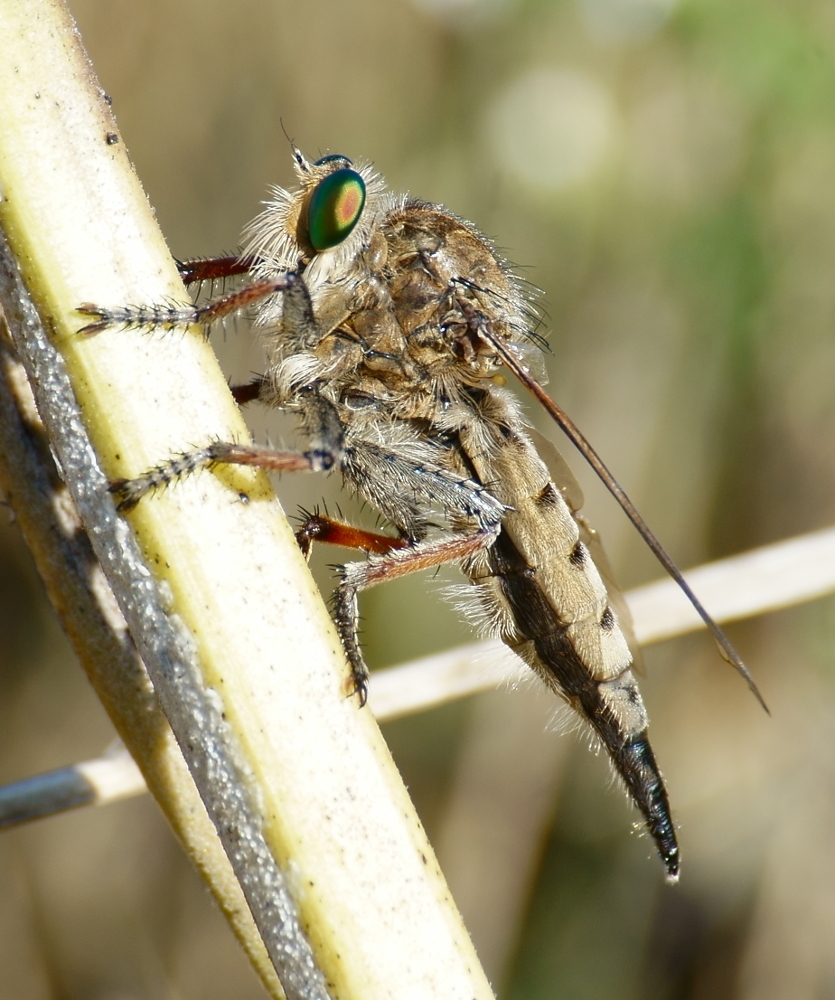
Spot-tailed Lion Fly
Promachus vertebratusAlso known as Lion Fly, Giant Robber Fly
Spot-tailed lion flies are formidable aerial predators known for ambushing wasps, bees, and beetles directly mid-flight. They perch on high grass stalks or sunlit leaves, watching for prey with exceptional vision before launching a sudden strike. Their thick golden-grey pile and distinctly banded abdomen help them blend into sun-dappled prairie edge habitats across North America.
PredatoryInsectSun-Loving
—observations
—countries
—peak records
Not EvaluatedConservation statusIUCN Red List categoriesLCNTVUENCREWEXNot Evaluated — not placed on the risk ladderRed List categories, explained →
Diet & preyHoney bees, Paper wasps, Beetles
Predators
- Insectivorous birds
- Orb-weaver spiders
- Praying mantises
ThreatsPesticide use, habitat fragmentation
HabitatsFields, prairies, meadow edges, open woodlands
Life span1–2 years (total lifespan including soil larva)
Classification
- FamilyAsilidae
- SpeciesPromachus vertebratus
Range data is not available yet.
Interaction riskLow
- Low
- Moderate
- High
- Very high
- Why interaction risk is low
- Capable of delivering a painful bite if handled directly; observe from a safe distance.
- Why it is dangerous
- Uses a strong proboscis to inject paralyzing digestive fluids into prey, causing a sharp bite if pressed against human skin.
- How to recognize a risky encounter
- Look for a large grey and gold robber fly with a stout pointed beak perching on top of vegetation.
- What to do
- Do not squeeze or corner perching insects; view them calmly without physical contact.
Responsible observation
- Observation: Approach slowly on sunny mornings when flies perch atop tall weeds to warm up.
- Photography: Position your camera at eye level with their perch without blocking direct sunlight.
- Handling: Avoid grabbing with bare hands to prevent defensive bites from their sharp beak.
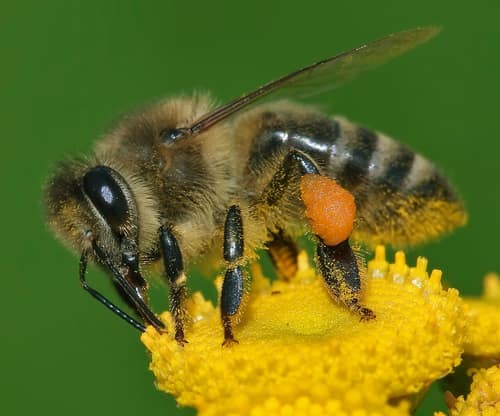
Prey Andreas Trepte / CC BY-SA 2.5 · cc-by-sa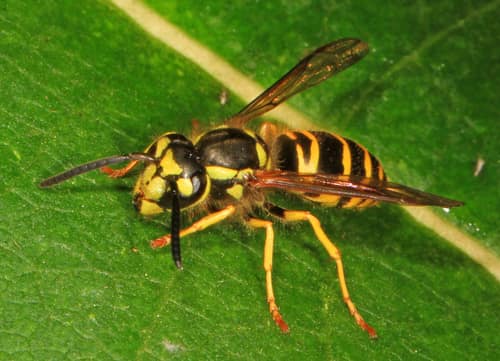
Prey (c) Judy Gallagher, some rights reserved (CC BY-SA), uploaded by Judy Gallagher · cc-by-sa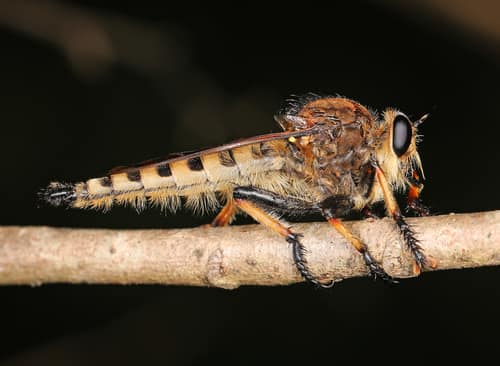
Close Relative (c) Judy Gallagher, some rights reserved (CC BY-SA), uploaded by Judy Gallagher · cc-by-sa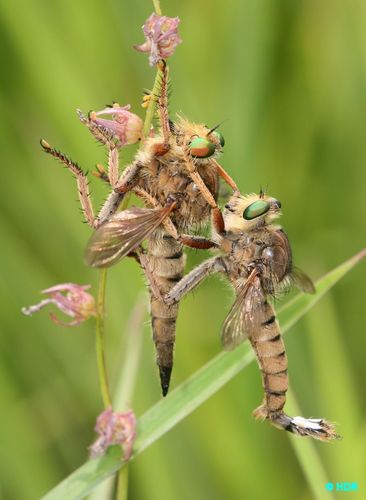
Close Relative (c) hr_dragonfly, some rights reserved (CC BY), uploaded by hr_dragonfly · cc-by
Help improve the field guideSomething wrong?
Checking your Fauna account…Report a name, category, or profile issue for review.