
Insect
Common Fruit Fly
Drosophila melanogasterAlso known as Vinegar Fly, Pomace Fly, Lesser Fruit Fly, Banana Fly
Common fruit flies thrive across human landscapes and wild habitats alike, navigating toward fermenting vegetation with an exquisite sense of smell. Males perform intricate courtship rituals involving species-specific wing vibration songs and delicate foreleg tapping before mating. Beyond their role as household nuisances, their lightning-fast generation times and shared genetic pathways have made them foundational model organisms in modern genetics and medicine.
CosmopolitanModel OrganismDetritivore
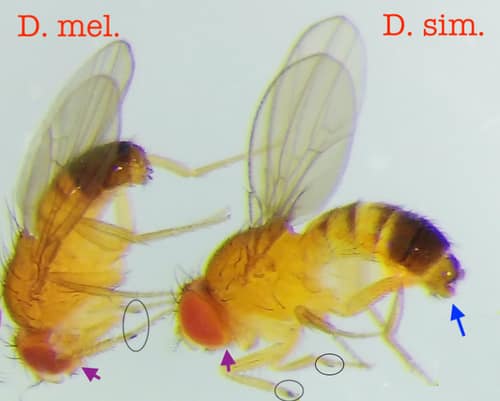
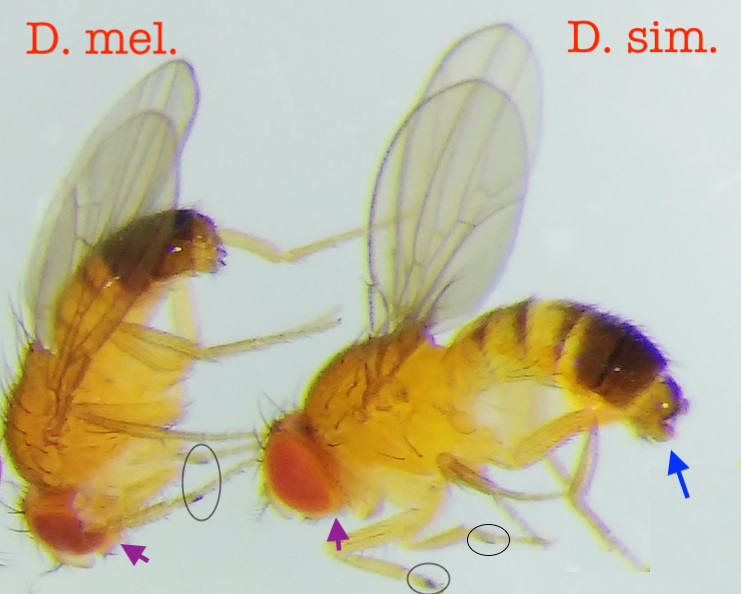
—observations
—countries
—peak records
Not EvaluatedConservation statusIUCN Red List categoriesLCNTVUENCREWEXNot Evaluated — not placed on the risk ladderRed List categories, explained →
Diet & preyBrewer's yeast, Fermenting fruit juice, Decomposing plant matter
Predators
- Jumping spiders
- Parasitoid wasps
- Ants
ThreatsInsecticides, indoor hygiene practices, and cold weather
HabitatsOrchards, gardens, compost piles, kitchens, and fermenting fruit falls
Life span40–50 days at 25 °C
Classification
- OrderDiptera
- FamilyDrosophilidae
- GenusDrosophila
- SpeciesDrosophila melanogaster
Range data is not available yet.
Interaction riskLow
- Low
- Moderate
- High
- Very high
- Why interaction risk is low
- Safe to observe at a normal distance.
Responsible observation
- Magnification: Use a hand lens on overripe fruit to view their distinctive red eyes.
- Compost Care: Empty kitchen food scraps regularly to prevent indoor breeding cycles.
 Image unavailable
Parasite 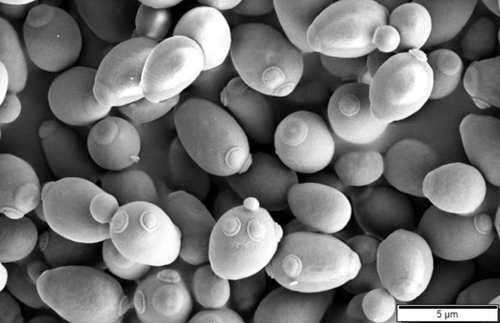
Symbiont (c) Mogana Das Murtey and Patchamuthu Ramasamy, some rights reserved (CC BY-SA) · cc-by-sa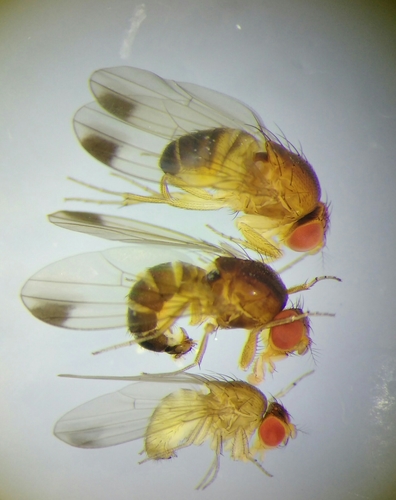
Close Relative (c) carnifex, some rights reserved (CC BY), uploaded by carnifex · cc-by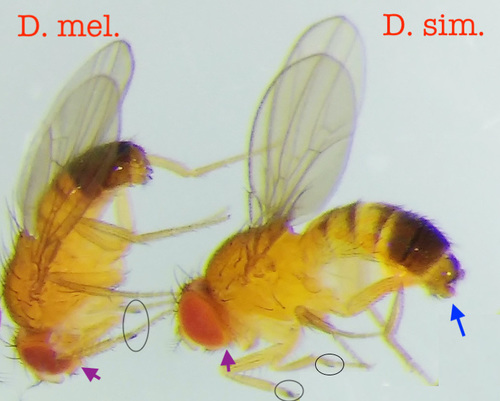
Close Relative (c) carnifex, some rights reserved (CC BY), uploaded by carnifex · cc-by
Help improve the field guideSomething wrong?
Checking your Fauna account…Report a name, category, or profile issue for review.