
Insect · GBIF taxon 5071390
Narrow-headed Marsh Fly
Helophilus fasciatusAlso known as Narrow-headed Marshfly, Striped Marsh Fly
Narrow-headed marsh flies feature distinctive yellow-and-black striped abdomens with bold longitudinal yellow lines across their dark thoraxes. Adults spend warm, sunny days hovering effortlessly near wetlands and meadows, darting between flowers to consume nectar and pollen. Females lay clusters of eggs on overhanging vegetation so hatching larvae can drop directly into nutrient-rich mud and aquatic decay below.
HoverflyPollinatorWetland
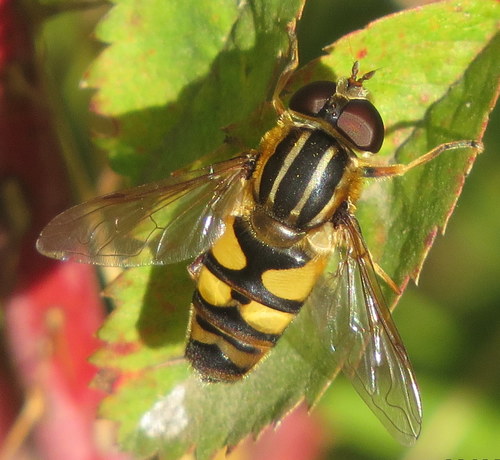
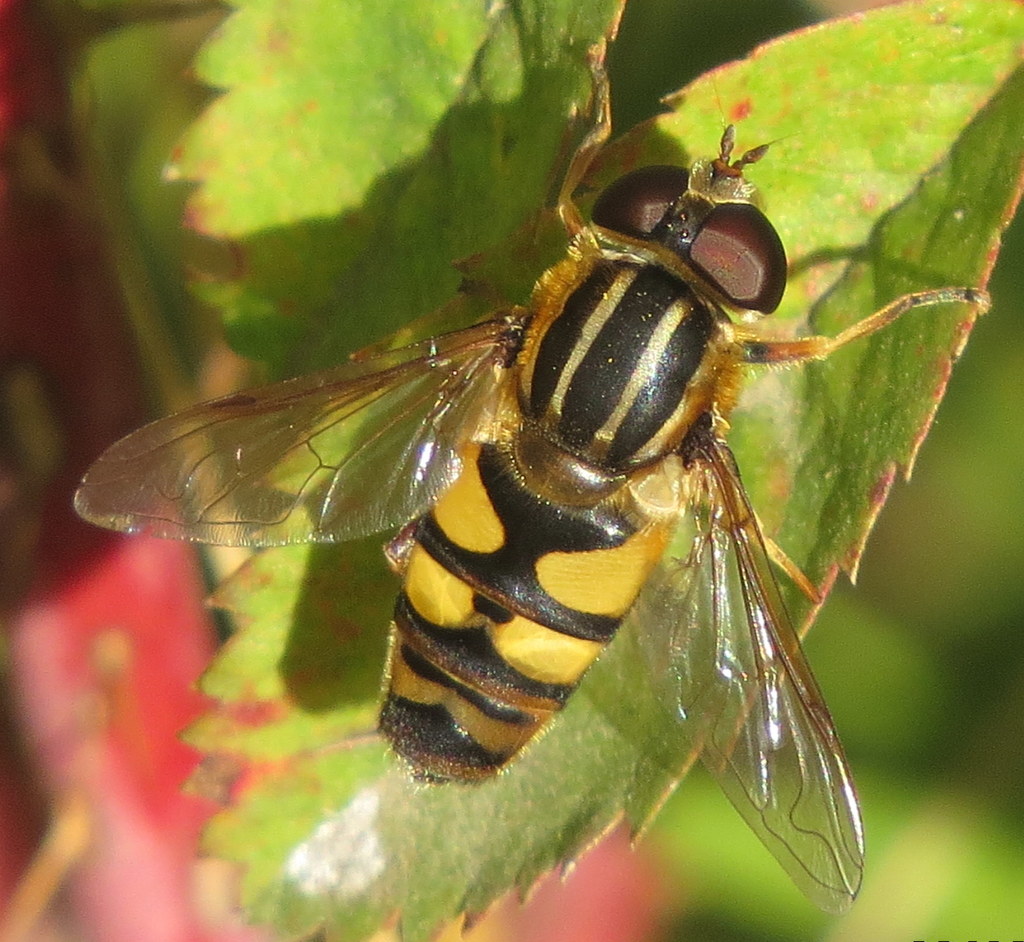
—observations
—countries
—peak records
Least ConcernConservation statusIUCN Red List categoriesLCNTVUENCREWEXLeast ConcernRed List categories, explained →
Diet & prey
- Flower Nectar
- Plant Pollen
- Decaying Organic Matter
Predators
- Dragonflies
- Orb-weaver Spiders
- Insectivorous Birds
ThreatsWetland drainage and heavy chemical pesticide runoff.
HabitatsMarshes, wet meadows, pond margins, ditches, and damp agricultural fields.
Life spanAdults live 2 to 4 weeks; total life cycle spans 1 to 2 months.
Classification
- OrderDiptera
- FamilySyrphidae
- GenusHelophilus
- SpeciesHelophilus fasciatus
Range data is not available yet.
Interaction riskLow
- Low
- Moderate
- High
- Very high
- Why interaction risk is low
- Harmless hoverfly that cannot sting; safe to observe closely.
Responsible observation
- Flower Spotting: Look for adults sunning on goldenrods, asters, or carrot-family blooms near damp areas.
- Approach Slowly: Move calmly when taking photos, as sudden shadows cause hovering adults to instantly dart away.
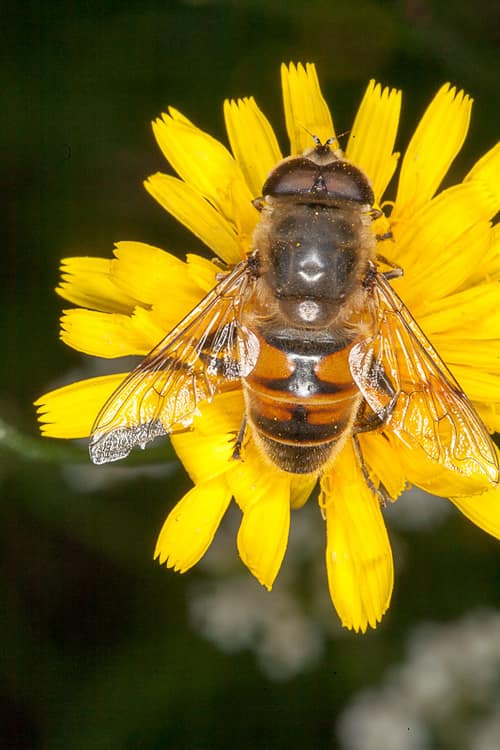
Ecological Cousin (c) Drepanostoma, some rights reserved (CC BY), uploaded by Drepanostoma · cc-by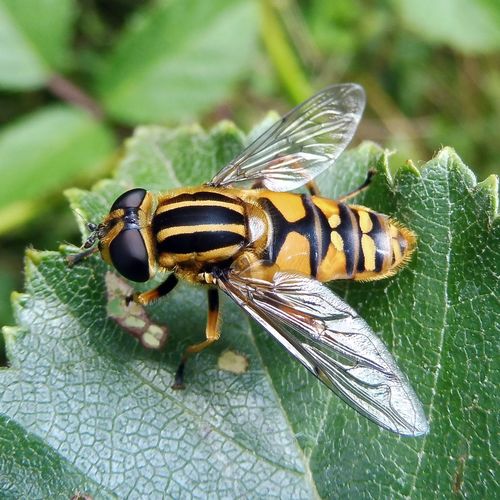
Close Relative (c) Barry Walter, some rights reserved (CC BY), uploaded by Barry Walter · cc-by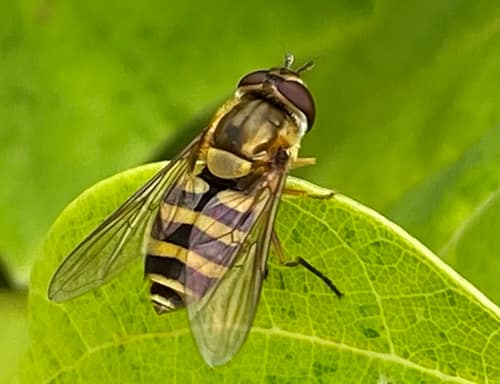
Family Relative (c) Virginia Heatwole, some rights reserved (CC BY), uploaded by Virginia Heatwole · cc-by
Help improve the field guideSomething wrong?
Checking your Fauna account…Report a name, category, or profile issue for review.