
Insect
Spine-tipped Dancer
Argia extraneaSpine-tipped dancers patrol sunlit rocky streams and shaded creeks across the Americas, pausing frequently on streamside stones and twigs to scan for passing gnats. Males display vivid blue-and-black patterning and take their common name from the prominent spine-like projections on their terminal claspers, which lock onto a female's thorax during tandem flight. Pairs remain linked while the female deposits eggs into submerged roots or floating plant stems, anchoring the next generation of aquatic larvae.
Stream-DwellingPredatoryColorful
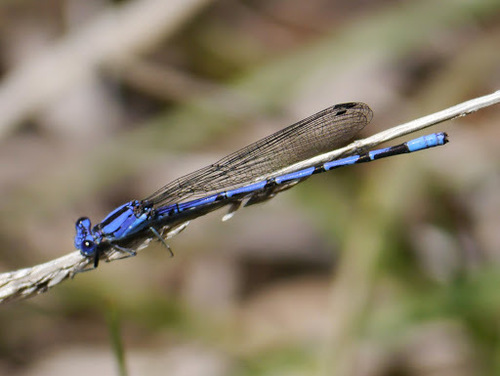
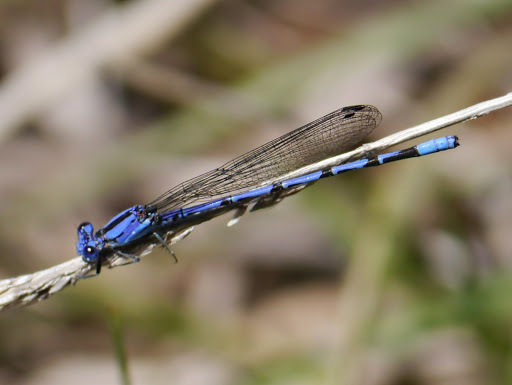
—observations
—countries
—peak records
Least ConcernConservation statusIUCN Red List categoriesLCNTVUENCREWEXLeast ConcernRed List categories, explained →
Diet & preyMidges, Mosquitoes, Small flies
Predators
- Dragonflies
- Robber flies
- Insectivorous birds
ThreatsWater pollution, stream channelization, and riparian habitat loss
HabitatsRocky streams, shaded creeks, and vegetated riverbanks
Life spanSeveral months to 1 year as larvae; 2–6 weeks as adults
Classification
- FamilyCoenagrionidae
- SpeciesArgia extranea
Range data is not available yet.
Interaction riskLow
- Low
- Moderate
- High
- Very high
- Why interaction risk is low
- Safe to observe at a normal distance.
Responsible observation
- Approach: Move slowly toward sunlit rocks or streamside twigs where adults perch between short flights.
- Photography: Use a macro or telephoto lens from a low angle to capture the male's blue-and-black abdominal pattern.
- Timing: Search during warm midday hours when adults actively patrol riffles and mate in tandem.
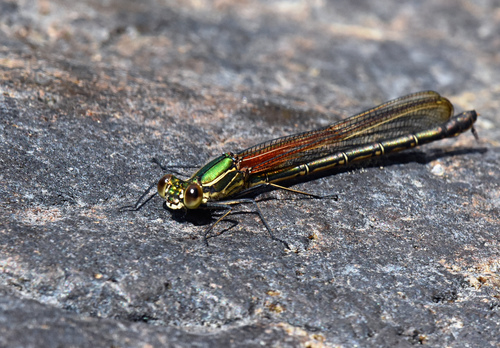
Frequent Companion (c) Jimmy Dee, some rights reserved (CC BY-SA), uploaded by Jimmy Dee · cc-by-sa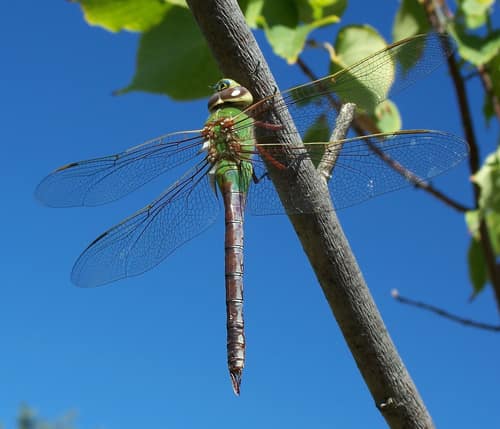
Predator (c) Eugene Zelenko, some rights reserved (CC BY-SA) · cc-by-sa Image unavailable
Close Relative Close Relative 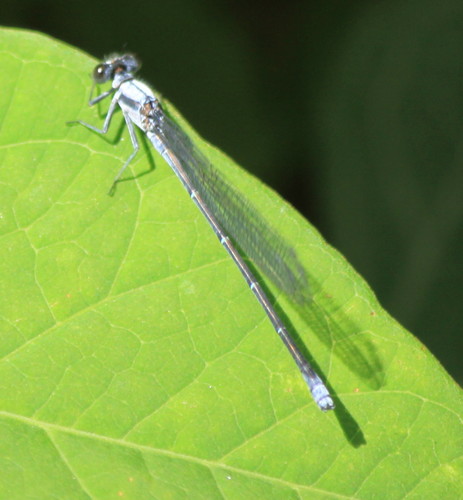
Close Relative (c) Kathy Richardson, some rights reserved (CC BY) · cc-by
Help improve the field guideSomething wrong?
Checking your Fauna account…Report a name, category, or profile issue for review.