
Insect · GBIF taxon 5051264
Stream Bluet
Enallagma exsulansStream bluets stay close to moving waters, patrolling sunny riffles and low riparian foliage along clear rivers and creeks. Males display dark blue abdomens with distinctive blue tail tips, while females unusually mirror this blue terminal pattern alongside their typical pale forms. Adults flit in swift bursts to snatch small flying insects before returning to perch on emergent rocks or overhanging leaves.
DamselflyAquaticSummer
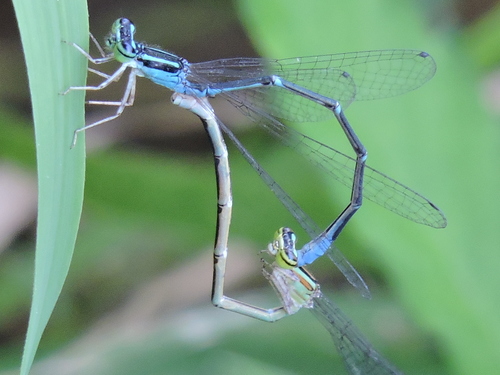
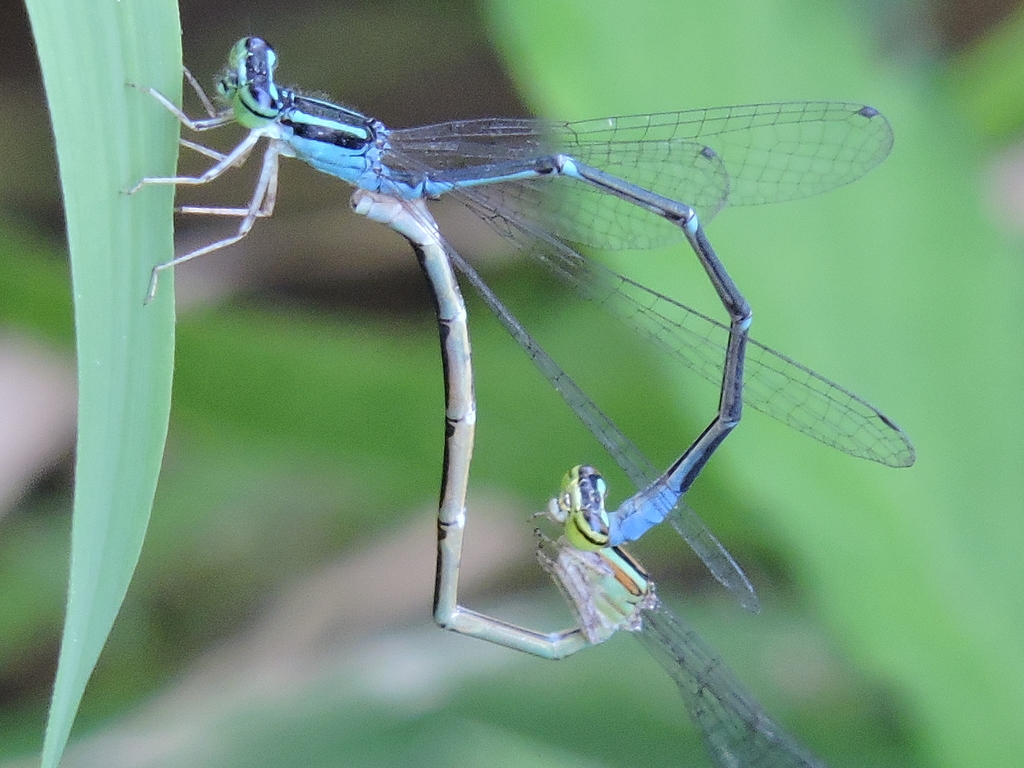 1 / 7
1 / 7—observations
—countries
—peak records
Least ConcernConservation statusIUCN Red List categoriesLCNTVUENCREWEXLeast ConcernRed List categories, explained →
Diet & prey
- Midges
- Mosquitoes
- Small flies
Predators
- Basking frogs
- Predatory fish
- Birds
ThreatsWater pollution, river damming, and loss of stream bank vegetation
HabitatsSmall to medium rivers, clear streams, rocky creeks, and occasionally lake shores
Life span1–2 years (mostly spent as aquatic nymph; adults live 2–4 weeks)
Size / weightNot available
Classification
- FamilyCoenagrionidae
- SpeciesEnallagma exsulans
Range data is not available yet.
Interaction riskLow
- Low
- Moderate
- High
- Very high
- Why interaction risk is low
- Safe to observe at a normal distance.
Responsible observation
- Best Viewing Time: Search sunny riverbanks on warm summer afternoons when adults are active.
- Approach Technique: Move slowly along shoreline vegetation where damselflies perch low on leaves.
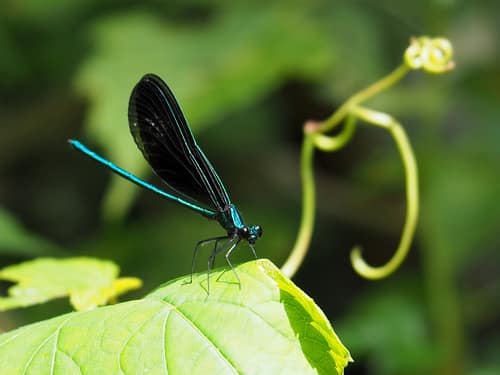
Frequent Companion (c) Katja Schulz, some rights reserved (CC BY), uploaded by Katja Schulz · cc-by Image unavailable
Close Relative 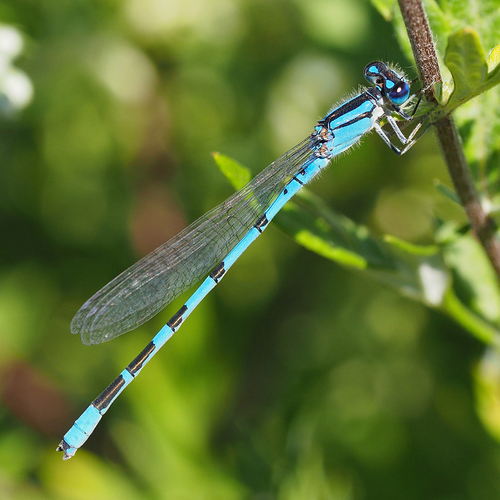
Close Relative (c) Gordon Johnston, some rights reserved (CC BY-SA), uploaded by Gordon Johnston · cc-by-saClose Relative
Help improve the field guideSomething wrong?
Checking your Fauna account…Report a name, category, or profile issue for review.