
Insect · GBIF taxon 5035748
Hairy-headed Leafcutter Ant
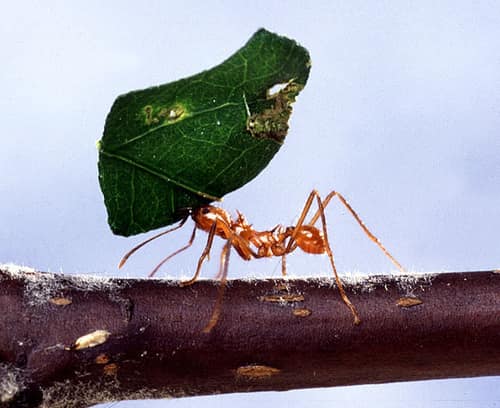
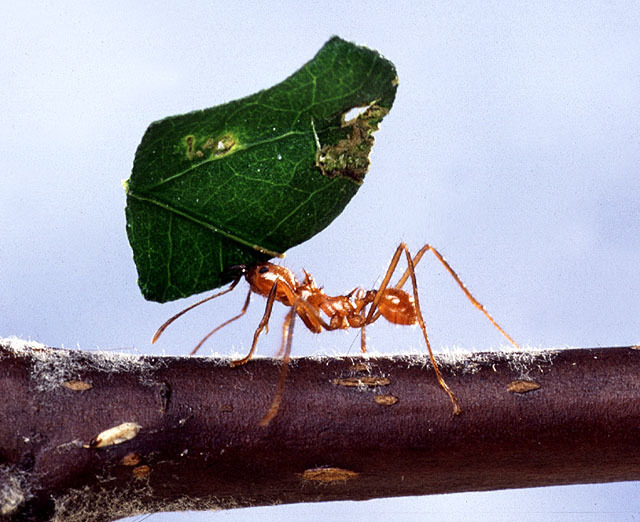
Atta cephalotesThe Hairy-headed leafcutter ant forms immense colonies linked by cleared trails and underground chambers. Workers cut vegetation into pieces, carry it home, and use it to cultivate a specialized fungus that feeds the colony.
Leafcutter AntFungus FarmerSocial Insect
—observations
—countries
—peak records
Not EvaluatedConservation statusIUCN Red List categoriesLCNTVUENCREWEXNot Evaluated — not placed on the risk ladderRed List categories, explained →
Diet & prey
- A cultivated fungus grown on processed fresh vegetation inside the nest
Predators
- Armadillos
- Anteaters
- Phorid flies
ThreatsForest clearing, flooding, pesticides, extreme drought, and deliberate colony destruction
HabitatsTropical rainforest, secondary forest, forest edge, plantations, gardens, and other warm vegetated land
Life spanQueens may live for more than a decade; individual workers live for months
Size / weightNot available
Classification
- FamilyFormicidae
- SpeciesAtta cephalotes
Range data is not available yet.
Interaction riskLow
- Low
- Moderate
- High
- Very high
- Why interaction risk is low
- Large workers can cut skin with powerful jaws when a trail or nest is disturbed.
- Why it is dangerous
- Major workers have strong cutting mandibles and may bite repeatedly when their trail or colony is threatened.
- How to recognize a risky encounter
- Look for organized columns of differently sized rust-brown ants carrying freshly cut vegetation toward a large nest.
- What to do
- Do not touch workers, trails, or mounds; step around columns and keep children clear of nest entrances.
Responsible observation
- Distance: Stand beside active trails rather than across them.
- Watch: Follow workers carrying cut pieces without touching the column.
- Protect: Never dig into mounds or block nest entrances.
Help improve the field guideSomething wrong?
Checking your Fauna account…Report a name, category, or profile issue for review.